
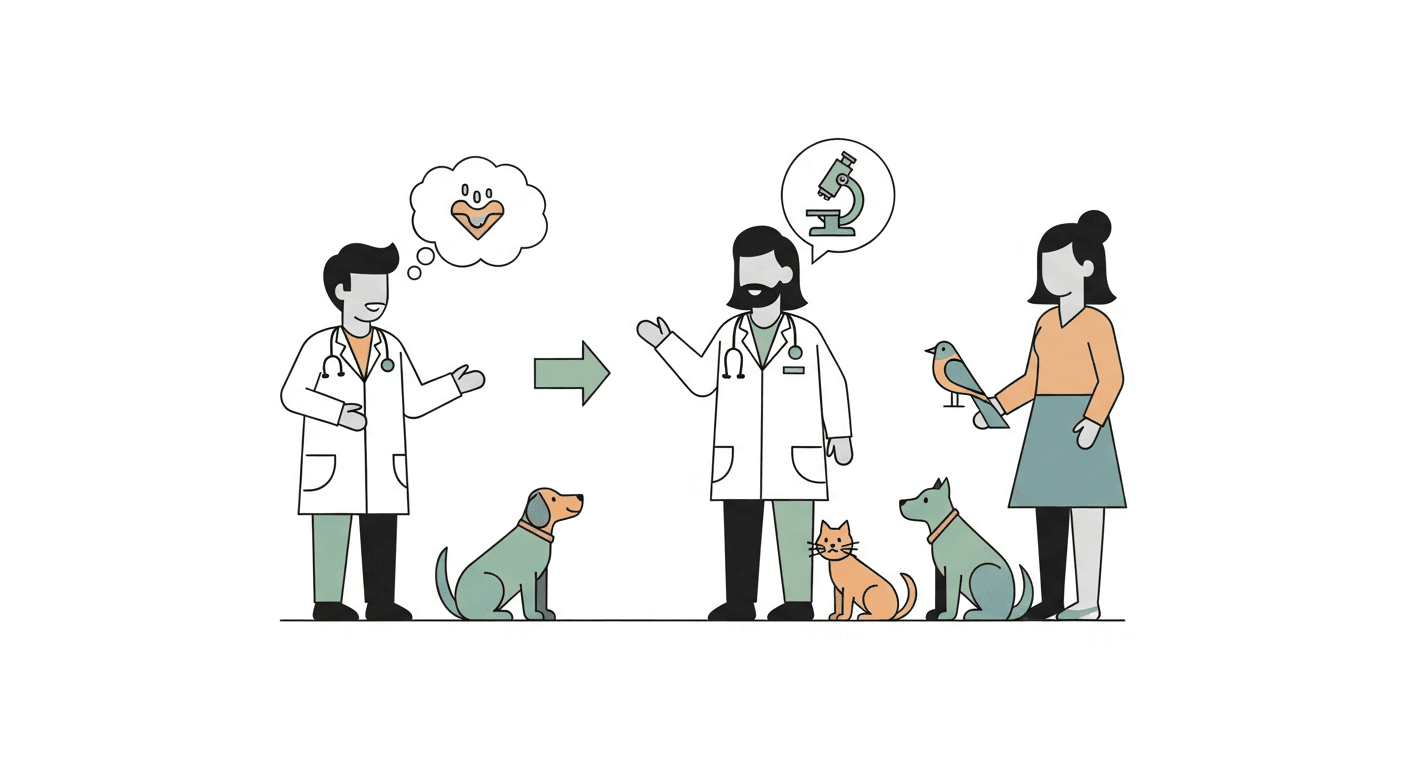
What Is a Veterinary Specialist?
A veterinary specialist is a veterinarian who has completed additional years of residency training and passed board certification examinations in a specific discipline. Just as human medicine has cardiologists, neurologists, and oncologists, veterinary medicine has board-certified specialists in a growing list of fields. The credential "DACVIM" (Diplomate of the American College of Veterinary Internal Medicine) or similar designations after a vet's name indicates board certification.
Specialists typically work in referral hospitals — larger facilities that receive patients sent by general practice vets. They have advanced equipment, specialized expertise, and experience with complex or rare conditions that a general practice vet may see only rarely.
Types of Veterinary Specialists
The most commonly accessed veterinary specialties include:
- Internal Medicine: Complex systemic diseases, endocrine disorders (diabetes, Addison's, Cushing's), gastrointestinal disease, respiratory disease, immune-mediated conditions
- Cardiology: Heart disease, murmur grading, echocardiography, arrhythmias, heart failure management
- Oncology: Cancer diagnosis, chemotherapy, radiation therapy, surgery for tumors
- Neurology: Seizures, IVDD (intervertebral disc disease), wobbler syndrome, brain tumors, peripheral nerve disease
- Surgery (ACVS): Complex orthopedic procedures (TPLOs, hip replacements), advanced soft tissue surgery, laparoscopy
- Dermatology: Chronic allergies, autoimmune skin disease, complex skin conditions unresponsive to general practice treatments
- Ophthalmology: Cataracts, glaucoma, retinal disease, corneal surgery
- Dentistry: Tooth root disease, oral surgery, jaw fractures
- Emergency and Critical Care (ECC): ICU-level care for critically ill or injured patients
- Radiology: Advanced imaging interpretation — CT, MRI, nuclear medicine
When Your General Vet Will Refer You
Your general practice vet knows their scope of practice and will typically refer when:
- A diagnosis is elusive despite standard workup — a specialist may order advanced diagnostics (CT, MRI, advanced endoscopy)
- A condition requires treatment the general practice does not offer (radiation therapy, TPLO surgery, cataract removal)
- A patient is not responding to standard treatment and specialist expertise is needed
- The complexity or risk of a procedure exceeds what the general practice is equipped or experienced to handle safely
- The owner requests a specialist consultation
How to Make the Most of a Specialist Visit
A specialist appointment is most productive when:
- You bring all prior records — bloodwork, X-rays, previous diagnoses, medications tried and their outcomes
- You come with a written list of your observations and timeline of symptom progression
- You ask the specialist to communicate their findings and plan directly back to your general practice vet
- You understand the specific question the referral is meant to answer
Keep all specialist reports and recommendations stored in My Pets on TailRounds alongside your regular vet records. If you feel unsure about a diagnosis before pursuing specialist care, consider getting a second opinion from another general practice vet first.
Continue Reading
 🏥 Vet Guide
When and How to Get a Second Vet Opinion
Getting a second opinion is a responsible thing to do for major diagnoses or treatments. Here is how to approach it professionally without damaging the vet relationship.
 🏥 Vet Guide
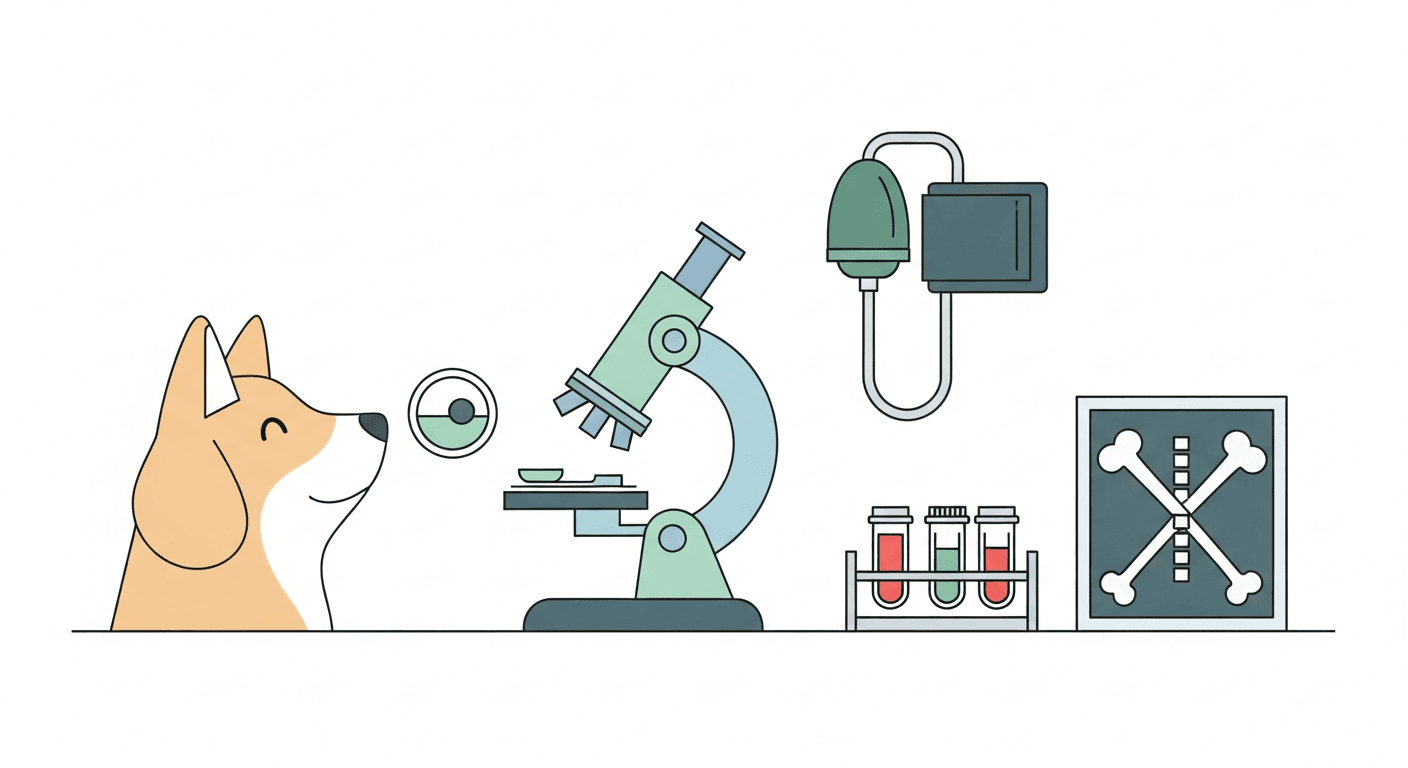
Common Diagnostic Tests: Blood Work, X-Rays, Ultrasound
Understanding what your vet is looking for with each diagnostic test helps you make informed decisions. Here is a plain-language guide to the most common tests.
 🏥 Vet Guide
Is Anesthesia Safe for Pets?
Anesthesia concerns stop some pet owners from pursuing needed procedures. Here is what modern veterinary anesthesia involves and what the real risks are.
 🏥 Vet Guide
Caring for Your Pet After Surgery
Post-surgical recovery requires careful attention. Learn what to expect in the days after surgery, how to prevent complications, and when to call the vet.