
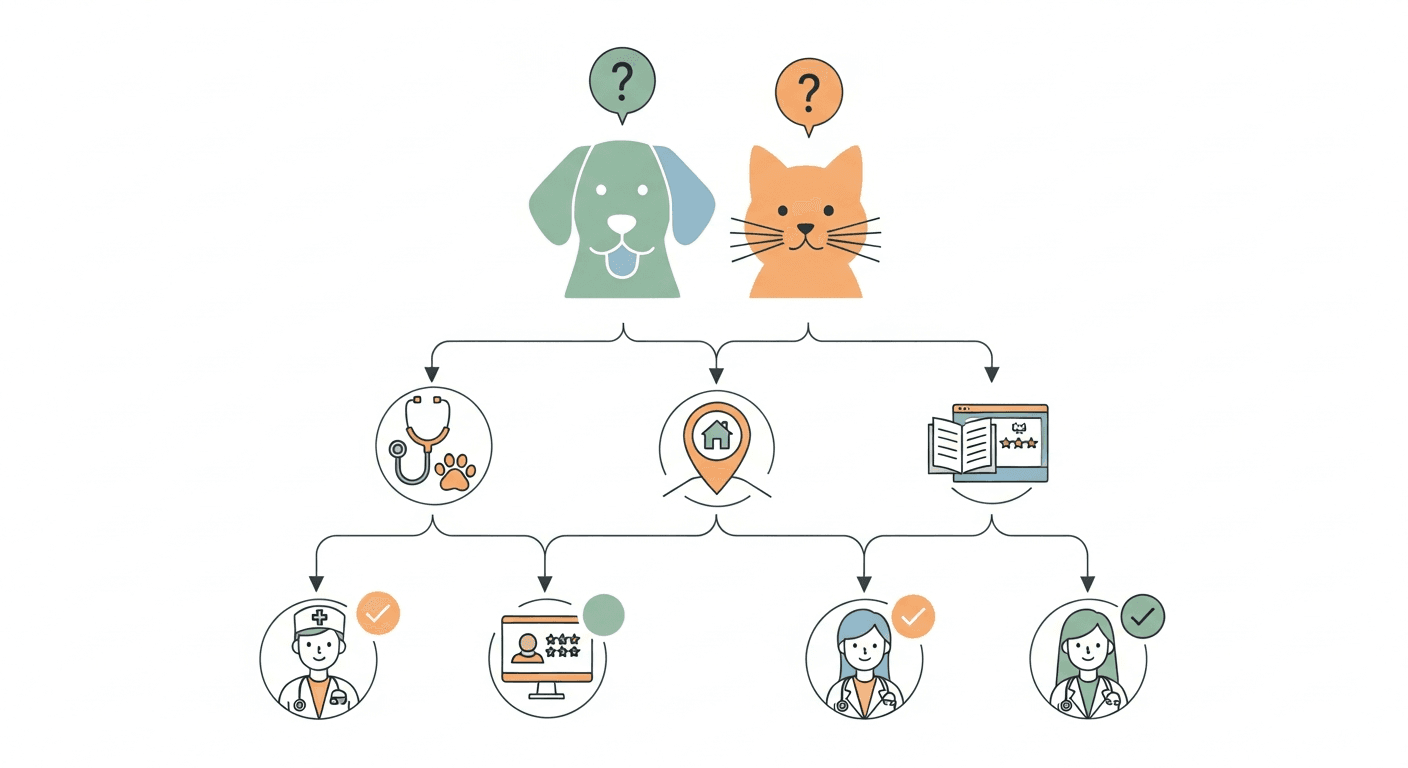
Why Your Choice of Vet Matters So Much
Your veterinarian is your pet's primary healthcare provider, preventive care advisor, and often the first person you turn to in a crisis. The relationship you build with a vet and their team over years — their knowledge of your pet's history, their communication style, their clinical judgment — significantly affects the quality of care your pet receives. Choosing well from the start saves stress, money, and heartache later.
The good news is that finding a great vet is a methodical process. It does not rely on luck. Use the framework below to make a confident decision. You can also find a clinic near you to start exploring options in your area.
Start With Practical Criteria
Before assessing quality, filter by logistics. The best vet in the world is not useful if you cannot realistically get to them:
- Location: How far is the clinic from your home or workplace? Can you reach it in under 20 minutes for a non-emergency? In an emergency, every minute matters.
- Hours: Does the clinic offer early morning, evening, or Saturday appointments? If you work standard hours, a clinic that closes at 5 PM may be difficult to use consistently.
- After-hours coverage: Does the clinic have an emergency line? Do they have an affiliated emergency hospital they refer to? Know this before you need it.
- Species served: Most small animal clinics see dogs and cats. If you have rabbits, birds, reptiles, or exotics, you need a clinic that specifically sees those species.
- Appointment availability: How quickly can you get a routine appointment? Long waits (more than 2–3 weeks for a non-urgent visit) can be frustrating.
Assess the Clinic's Quality Indicators
Once you have a shortlist based on logistics, look for quality signals:
- AAHA accreditation (US) or equivalent: Accredited clinics meet rigorous standards for equipment, protocols, and continuing education. It is not required but is a strong quality signal.
- Veterinarian qualifications and continuing education: Does the practice keep up with advances in veterinary medicine? Specialists and board-certified veterinarians indicate a commitment to expertise.
- In-house diagnostics: Does the clinic have on-site blood analyzers, digital X-ray, and ultrasound? In-house testing means faster results and faster treatment decisions.
- Cleanliness and organization: A well-maintained waiting room and exam rooms reflect care and professionalism throughout the practice.
- Staff demeanor: Are the receptionists and technicians warm, organized, and knowledgeable? How staff treats clients in routine interactions reflects the practice culture.
Schedule a "Meet and Greet" Appointment
Do not wait for illness to evaluate a clinic. Many practices welcome an initial well-pet exam or meet-and-greet as a low-stakes way to assess fit. Pay attention to:
- Does the vet listen to your concerns without rushing?
- Do they explain their findings and recommendations clearly, without jargon?
- Do they engage with your pet calmly and patiently?
- Do they answer your questions without making you feel judged?
- Do they present options and costs transparently?
Trust your instincts. If you feel dismissed, rushed, or uncomfortable, those feelings matter — you need to be able to advocate for your pet confidently, and that requires feeling respected. Use the TailRounds AI Triage tool as a companion between visits to help you identify when questions need a vet call.
Reviews, Referrals, and Red Flags
Ask other pet owners in your area for recommendations — personal referrals carry weight that online reviews cannot fully replicate. When reading online reviews, look for patterns rather than individual complaints: consistent praise for communication, fair pricing, and compassionate care is meaningful. Consistent complaints about the same issues are worth heeding.
For specific red flags to watch for in any vet, see our article on signs of a bad vet. Once you have found a vet you trust, book a vet appointment at Happy Paws or your chosen clinic to get started.
Continue Reading
 🏥 Vet Guide
What to Expect at Your First Vet Visit
New pet? First vet visit does not need to be stressful. Here is exactly what happens, what information to bring, and how to get the most from the appointment.
 🏥 Vet Guide
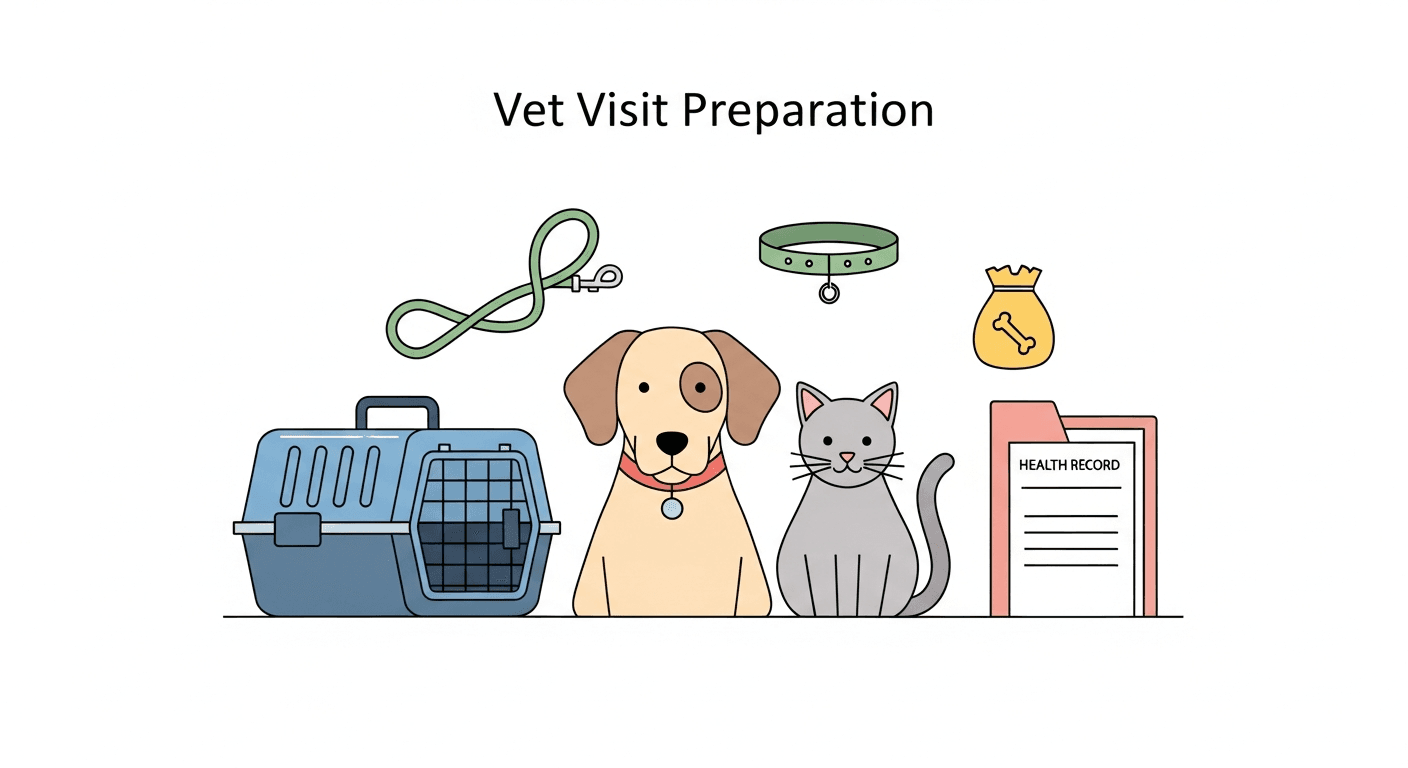
How to Prepare Your Pet for a Vet Visit
Reduce stress for your pet and yourself at every vet appointment. Practical preparation strategies for dogs, cats, and anxious pets of any species.
 🏥 Vet Guide
How to Communicate Effectively With Your Vet
Great communication with your vet leads to better care for your pet. Learn how to describe symptoms accurately, ask productive questions, and advocate confidently.
 🏥 Vet Guide
Red Flags: Signs of a Bad Vet
Not all veterinary practices meet the standard your pet deserves. Here are the concrete warning signs that should prompt you to find a new vet.