
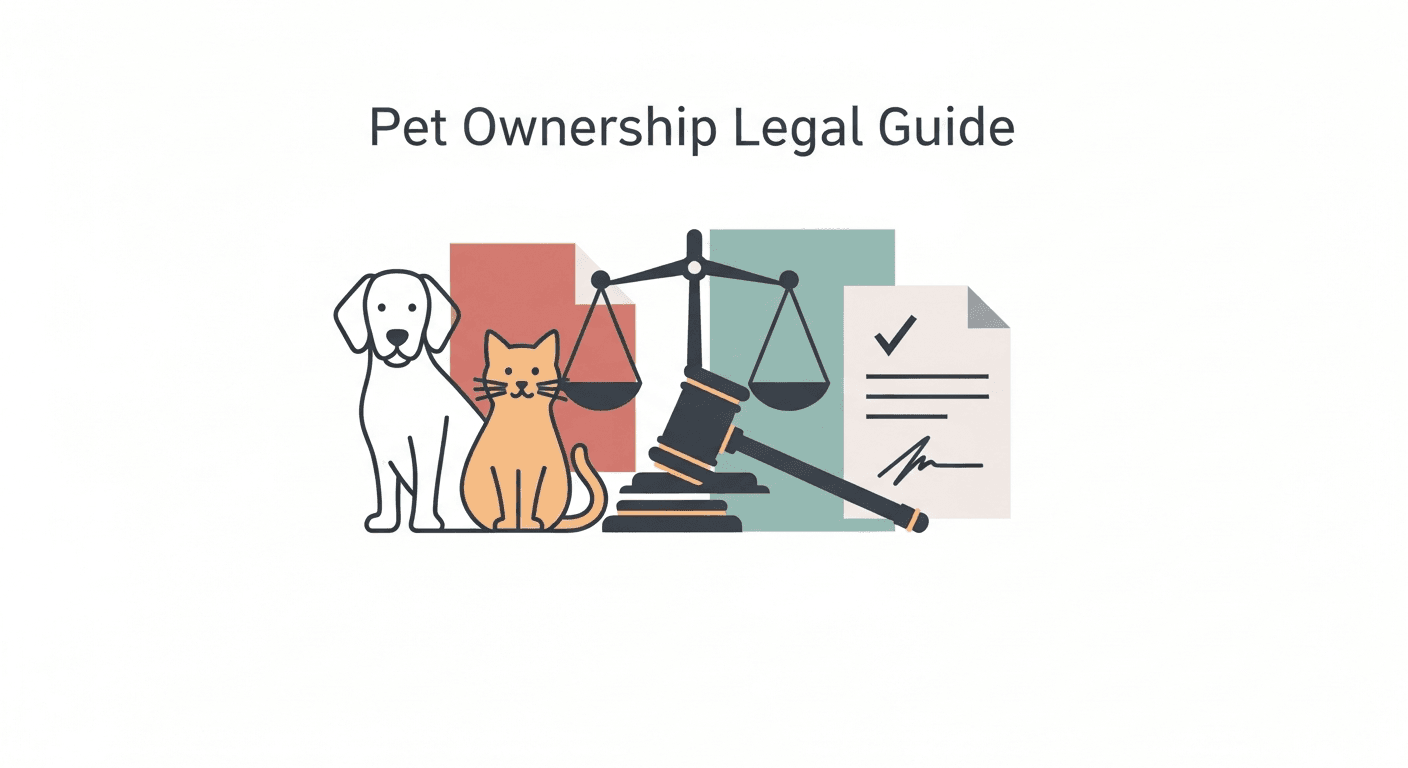
Licensing and Registration Requirements
Most municipalities require dogs to be licensed with the local government. Dog licenses serve several purposes: they fund animal control services, provide a means of identifying and returning lost dogs, and in many jurisdictions are linked to proof of rabies vaccination (you typically need a current rabies certificate to obtain or renew a license). Failure to license a dog can result in fines, and an unlicensed dog found by animal control may be held longer before being returned to the owner.
Requirements vary enormously by location. Some jurisdictions require cat licensing as well. Some require annual renewal; others offer multi-year licenses. Check with your local municipal government or animal control authority for the specific requirements in your area. Microchipping is legally required for all dogs in some countries (the UK, parts of Europe, and Australia, for example) and strongly encouraged elsewhere.
Vaccination Laws
Rabies vaccination is legally mandated for dogs, cats, and ferrets in most US states and many countries worldwide. The specific requirements — age of first vaccination, interval between boosters, documentation required — vary by jurisdiction. In most places, you must produce a valid rabies certificate signed by a licensed veterinarian on demand. An animal without current rabies documentation that bites a person may face mandatory quarantine or euthanasia regardless of the circumstances.
Other vaccines are not legally required but may be required by private entities — boarding facilities, groomers, dog shows, dog parks, and veterinary clinics (to protect other patients in the waiting room).
Liability for Your Pet's Actions
Pet owners bear legal liability for harm caused by their animals. The specific legal framework varies by jurisdiction:
- "Strict liability" states/countries: The owner is liable for any bite or injury caused by their dog, regardless of whether the dog had previously shown aggression. One bite is sufficient for liability.
- "One bite rule" states: The owner may only be liable if they knew or should have known the dog had dangerous tendencies — the first bite may be excused if there was no prior warning.
- Negligence: In any jurisdiction, an owner can be found liable if their negligence contributed to an incident — a dog off-leash in a leash-required area that bites someone is a clear example.
Homeowner's or renter's insurance policies often include liability coverage for pet-related incidents, but this varies by policy and some insurers specifically exclude certain breeds. Review your policy and disclose your pet to your insurance provider.
Animal Welfare Laws
Animal welfare laws define minimum standards of care that pet owners must provide. While specifics vary, the core obligations typically include:
- Adequate food and clean water
- Appropriate shelter from weather extremes
- Necessary veterinary care — animals in obvious pain or suffering who are denied treatment can result in animal cruelty charges
- Prevention of unnecessary suffering
These laws are enforced by animal control authorities, humane societies, and police in different jurisdictions. Violations can result in fines, confiscation of the animal, and criminal charges. Keep your pet's medical records in My Pets on TailRounds to demonstrate that you are meeting your veterinary care obligations.
Travel and Import/Export Laws
Traveling internationally with pets is governed by the laws of both the country of origin and the destination country. Requirements typically include microchipping, current rabies vaccination, health certificates issued by an accredited veterinarian within a narrow window before travel, and in some cases, titer testing or quarantine. These requirements exist to prevent the international spread of rabies and other infectious diseases. Always research requirements at least 3–6 months before travel — some processes take months to complete correctly.
Continue Reading
 🏥 Vet Guide
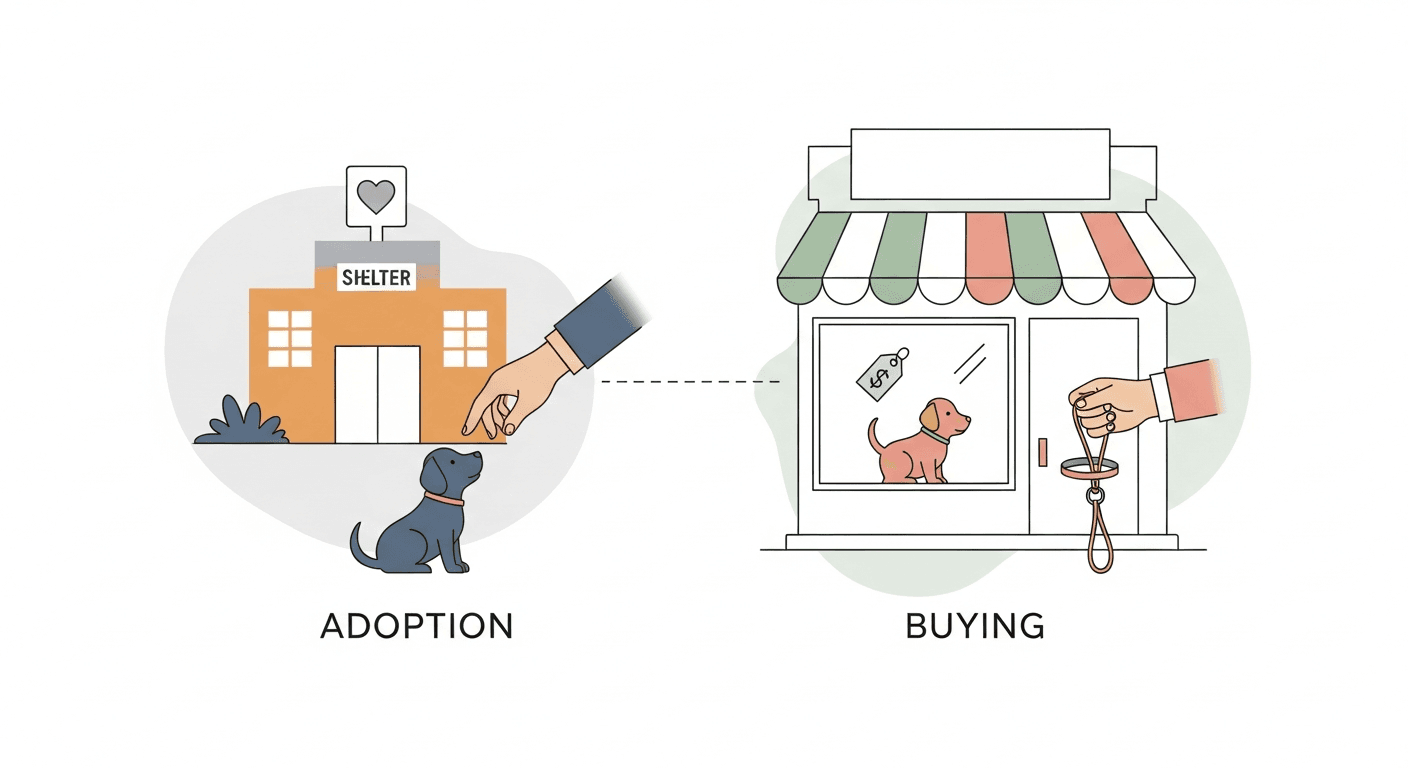
Adopting vs Buying a Pet: Considerations
Both adoption and purchasing from a breeder are legitimate paths to pet ownership. Here is a balanced look at the real considerations, not just the slogans.
 🏥 Vet Guide
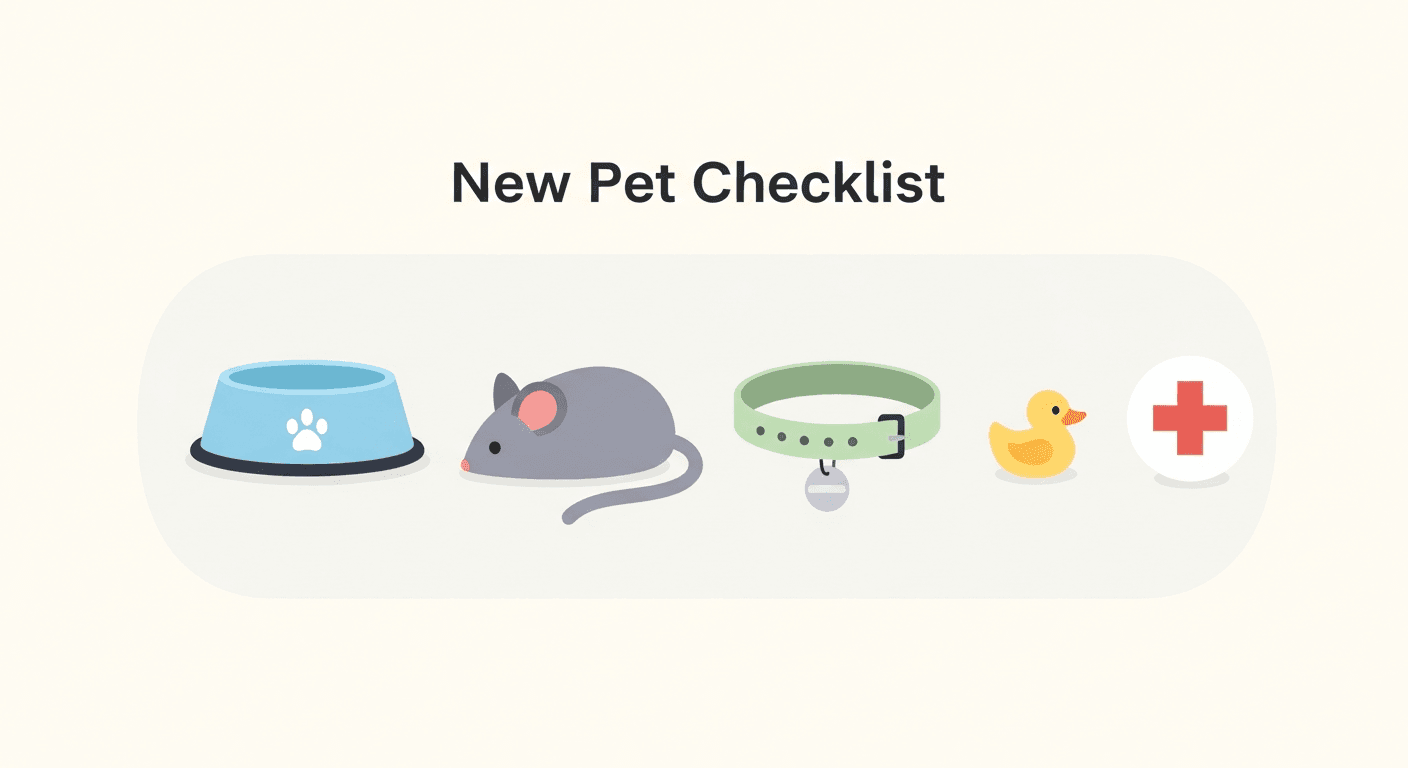
New Pet Checklist: First 30 Days
The first 30 days with a new pet sets the foundation for a lifetime of good health and behavior. Here is your comprehensive action plan.
 🏥 Vet Guide
Managing Your Pet's Medical Records
A complete, organized medical record protects your pet at every life stage. Here is how to collect, store, and use your pet's health records effectively.
 🏥 Vet Guide
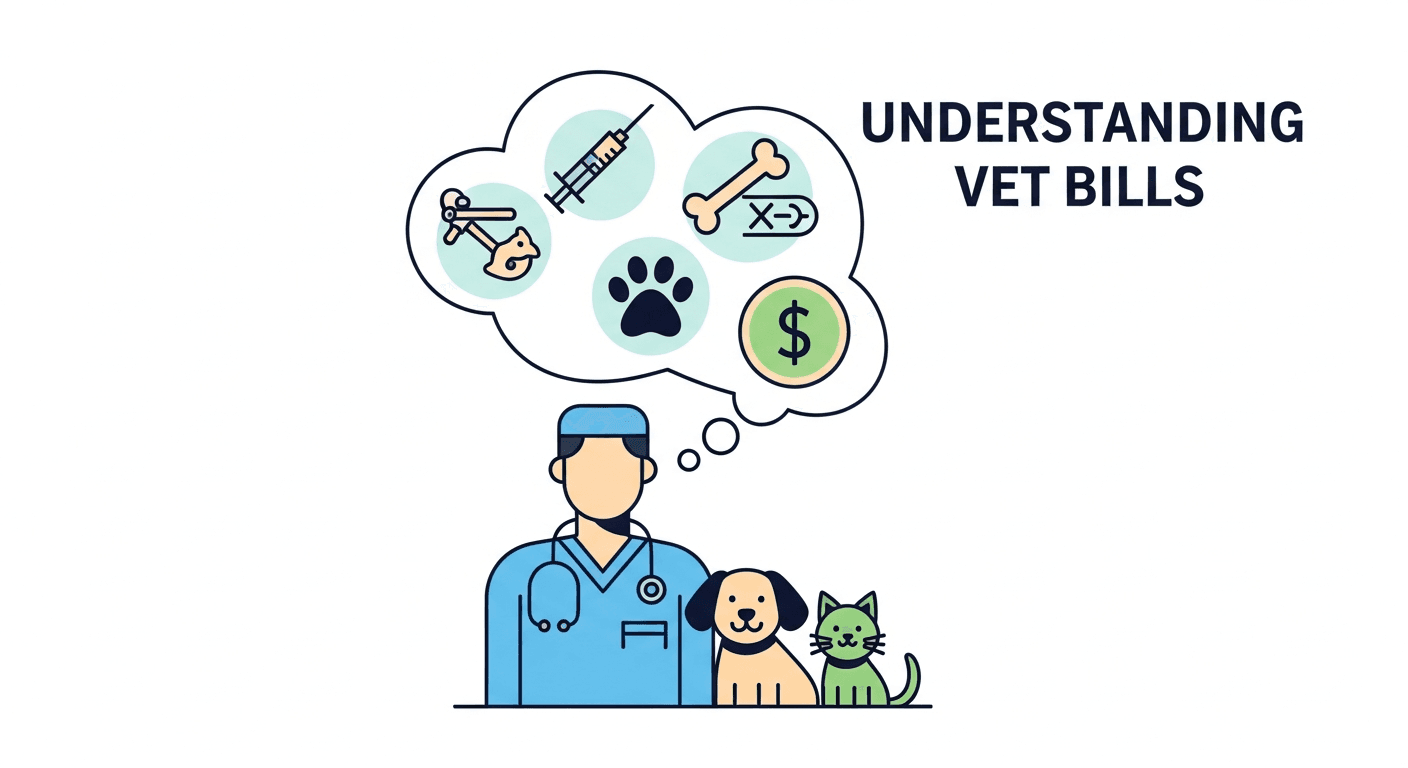
Understanding Your Vet Bill
Vet bills can feel overwhelming and confusing. Learn how to read an itemized invoice, what drives costs, and how to manage veterinary expenses responsibly.