
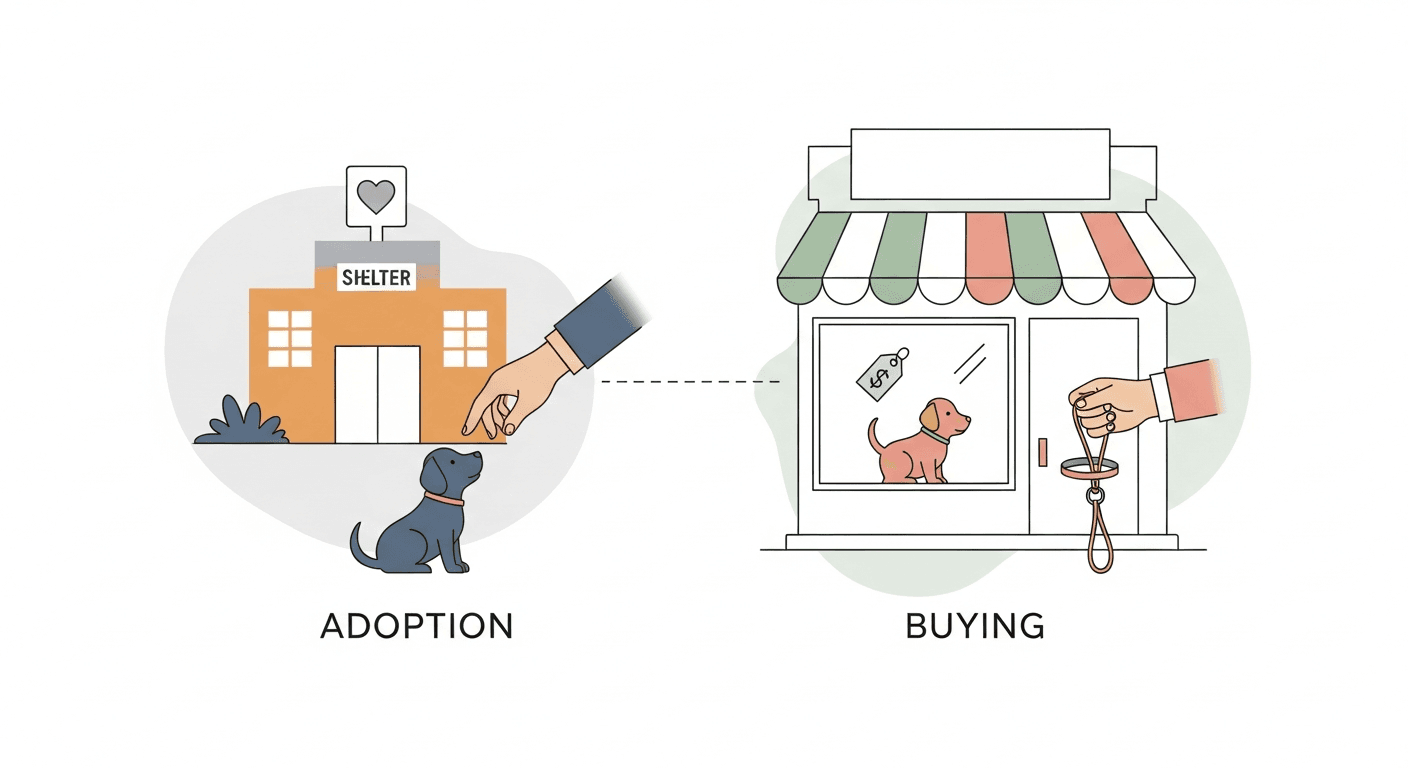
The Debate Simplified
The "adopt don't shop" movement has raised important awareness about shelter overpopulation and the suffering caused by irresponsible breeders. At the same time, the framing of adoption as morally superior in every case oversimplifies a nuanced decision. Both paths — thoughtful adoption and purchasing from a reputable, health-focused breeder — can lead to happy, healthy pets and responsible pet ownership. Both can also lead to poor outcomes when done without research and care.
This article is a balanced look at the real considerations that should shape your decision — not a judgment on either choice.
The Case for Adoption
Adopting a pet from a shelter or rescue organization has genuine advantages:
- You save a life: Millions of animals in shelters need homes. In many parts of the world, euthanasia rates for shelter animals remain high. Adopting directly addresses this.
- Lower initial cost: Adoption fees are typically far lower than breeder prices, and most animals are already spayed/neutered, vaccinated, and microchipped — representing significant value.
- Adult animals are transparent: An adult dog or cat in a shelter has an established personality. Rescue staff can often tell you how the animal is with children, other animals, and strangers — reducing the uncertainty of puppies and kittens whose adult temperament is unknown.
- Large variety available: Breed-specific rescues exist for almost every breed. If you want a specific breed, a rescue is a realistic option.
- Sense of purpose: Many owners find deep satisfaction in knowing they gave an animal a second chance.
Considerations: some shelter animals have unknown histories that may include trauma, inadequate socialization, or health problems not immediately apparent. This is manageable with the right expectations and support.
The Case for a Reputable Breeder
- Predictable traits: Breeds have been developed for specific physical and behavioral characteristics. If you need a hypoallergenic coat, a specific energy level, a working ability, or a particular size for a medical reason, a breed-specific purchase from a health-focused breeder delivers predictability.
- Health testing: Reputable breeders screen breeding animals for hereditary conditions relevant to the breed — hip evaluations, eye certifications, cardiac screening, genetic tests. This significantly reduces the risk of costly hereditary disease.
- Socialization from birth: A quality breeder exposes puppies and kittens to a wide range of experiences during the critical socialization window, setting them up for a confident adult life.
- Breeder support: Good breeders provide lifetime support, take animals back if the owner cannot keep them, and genuinely care about every animal they produce.
The warning signs of a bad breeder: multiple litters available at once, no health testing documentation, inability to meet the parent animals, pressure to buy immediately, animals in poor condition, no questions asked about your home and lifestyle, and prices that seem to fluctuate depending on your interest level.
Either Way: Health Care from Day One
Regardless of how you obtained your pet, schedule a veterinary visit within the first week of bringing them home. Book a vet appointment at Happy Paws or find a clinic near you to establish care immediately. This visit confirms the animal is healthy, identifies any existing conditions, starts or reviews the vaccine schedule, tests for parasites, and establishes a relationship with a vet you can rely on. Store all records from the very start in My Pets on TailRounds.
Continue Reading
 🏥 Vet Guide
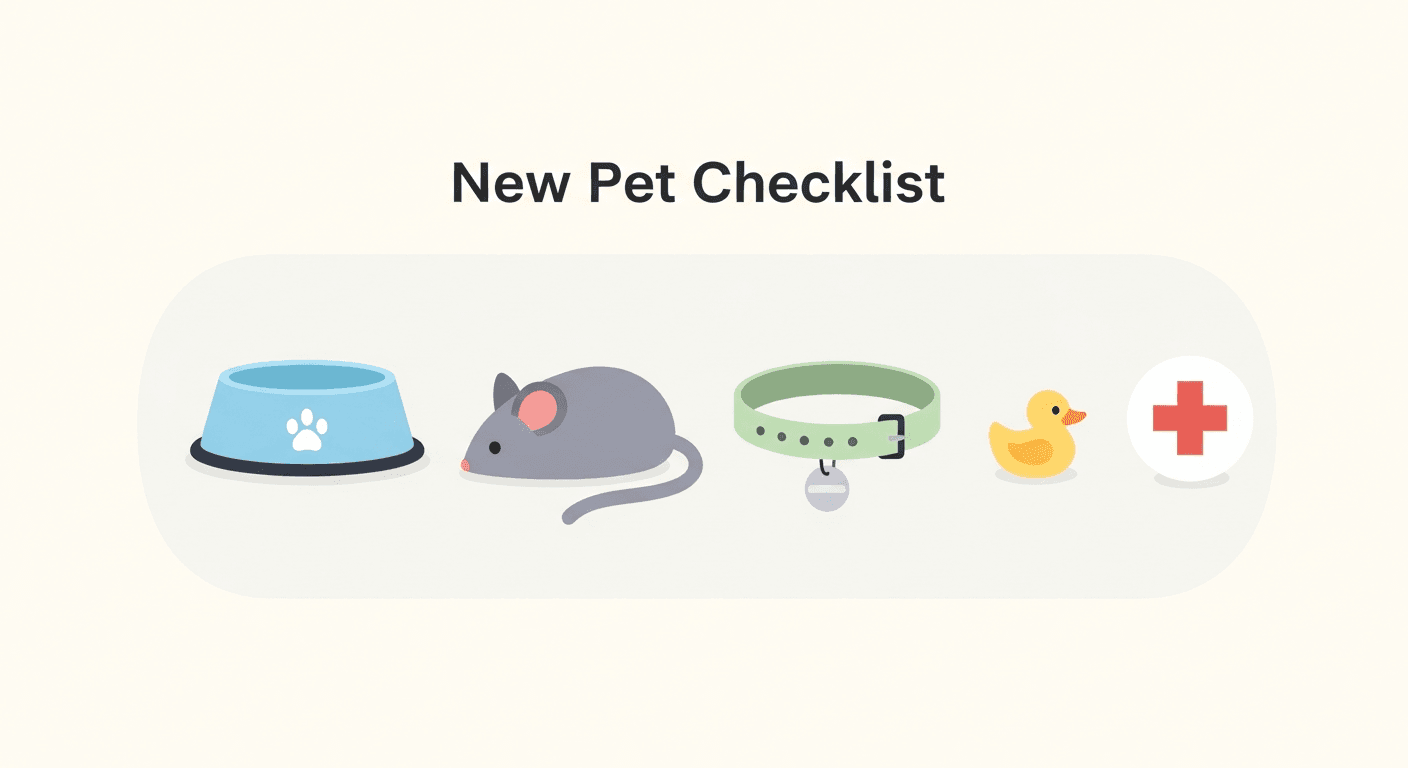
New Pet Checklist: First 30 Days
The first 30 days with a new pet sets the foundation for a lifetime of good health and behavior. Here is your comprehensive action plan.
 🏥 Vet Guide
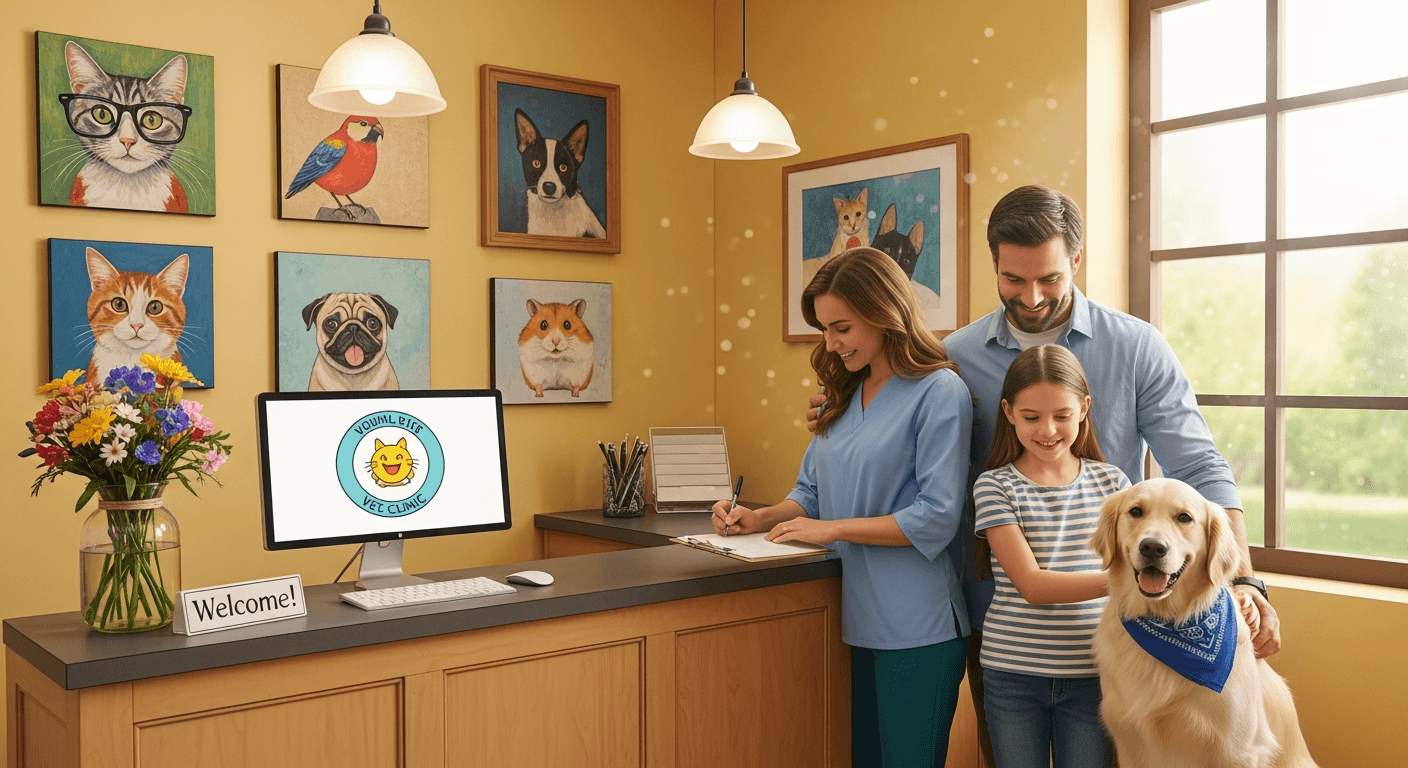
What to Expect at Your First Vet Visit
New pet? First vet visit does not need to be stressful. Here is exactly what happens, what information to bring, and how to get the most from the appointment.
 🏥 Vet Guide
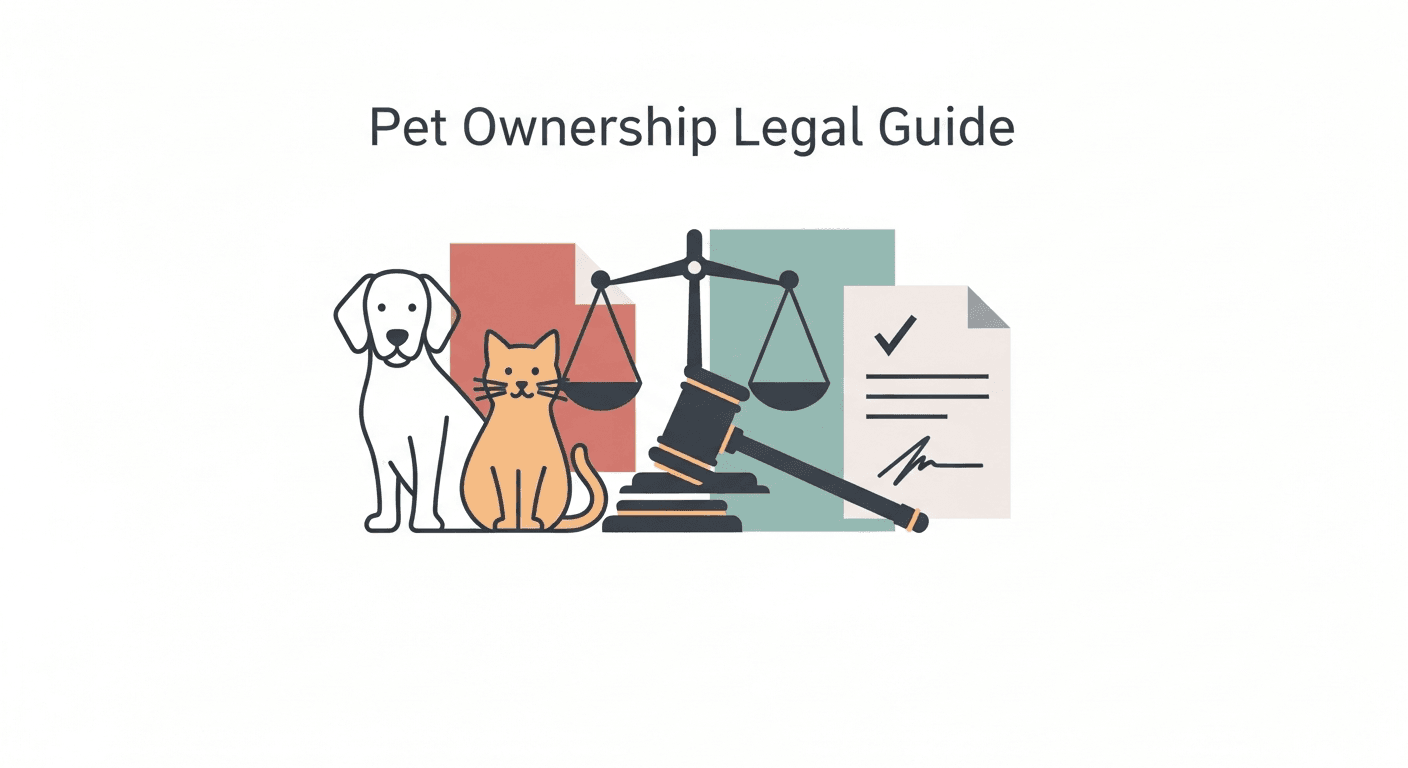
Legal Aspects of Pet Ownership
Pet ownership comes with legal obligations most owners are unaware of. Here is what you need to know about licensing, liability, welfare laws, and travel regulations.
 🏥 Vet Guide
Pet Health Insurance: Is It Worth It?
Pet insurance can protect you from financial disaster when your pet gets sick or injured. Here is how it works, what to look for, and how to decide if it is right for you.