
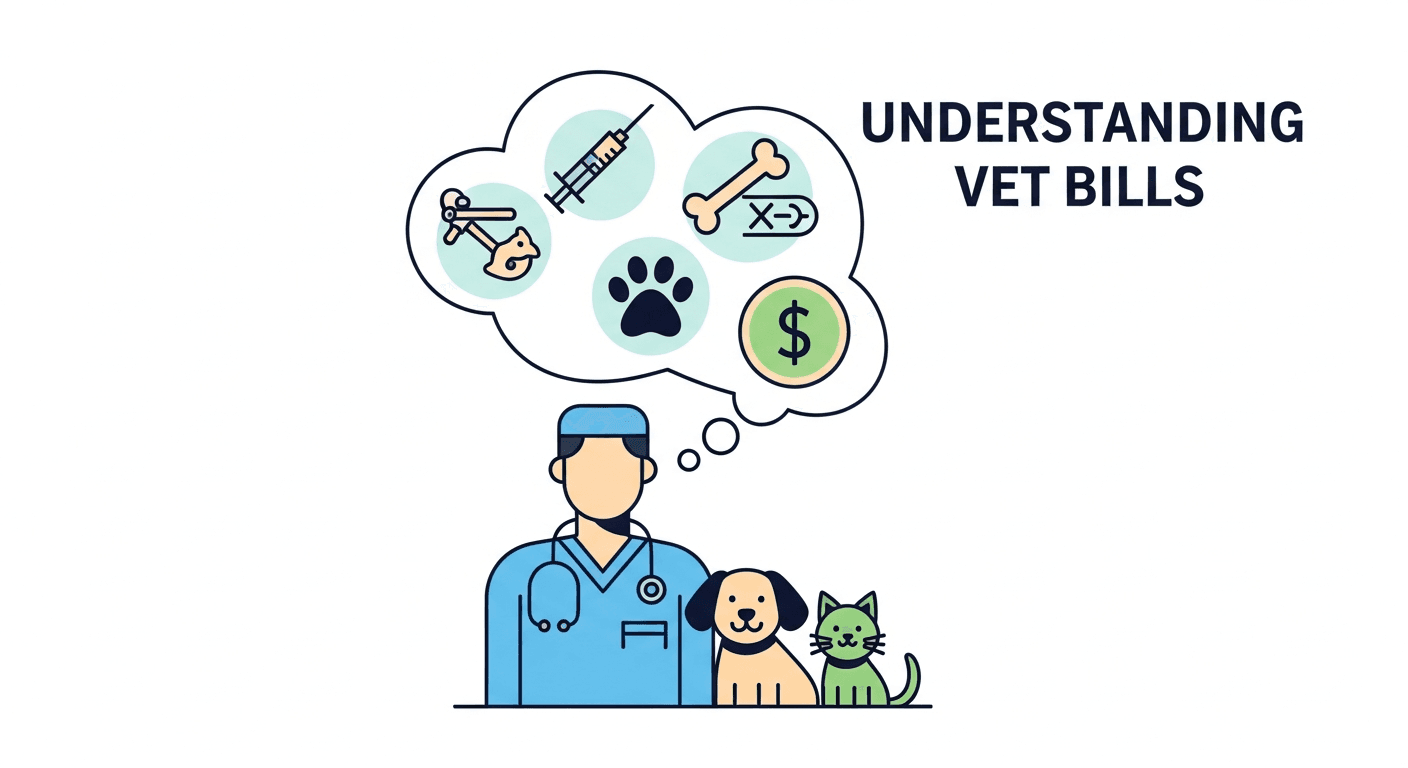
Why Veterinary Care Costs What It Does
Many pet owners are surprised by veterinary costs, especially if they are accustomed to human healthcare where insurance obscures the real cost of care. Veterinary medicine uses much of the same equipment, medications, and diagnostic technology as human medicine — but without the pricing structures, government subsidies, or volume-driven economies that influence human healthcare costs.
A single in-house blood analyzer costs tens of thousands of dollars. Digital X-ray machines, ultrasound equipment, anesthesia machines, and surgical suites represent enormous capital investment. The staff who operate them — veterinarians, licensed veterinary technicians — require years of specialized education. When you look at an itemized veterinary invoice, you are seeing the real, unsubsidized cost of skilled medical care.
Breaking Down a Typical Veterinary Invoice
A standard invoice may include several line item categories:
- Exam fee: The consultation fee for the veterinarian's time and professional assessment. This is charged for every visit and is separate from any treatments.
- Diagnostics: Blood work (CBC, biochemistry, thyroid), urinalysis, fecal tests, heartworm test, X-rays, ultrasound, culture and sensitivity — each listed separately with its own fee.
- Vaccines: Each vaccine listed by name with its administration fee.
- Medications: Prescription and over-the-counter medications dispensed by the clinic, listed by name and quantity.
- Procedures: Anesthesia, surgery, dental cleaning, wound treatment, fluid therapy, hospitalization — each with a separate charge.
- Supplies: E-collars, bandages, suture materials, IV catheters — often itemized.
- Hospitalization fees: Daily ward or ICU boarding charges when an animal is admitted.
Always ask for an itemized invoice, not just a total. You have the right to understand exactly what you are being charged for.
How to Manage Costs Without Compromising Care
Communicating openly about cost is not embarrassing — it is responsible. Vets deal with financial constraints every day and can often provide options:
- Ask for a written estimate before procedures: Most clinics will provide a low-to-high estimate for any significant procedure. Hold them to providing this.
- Prioritize diagnostics: Ask which tests are essential now versus which can wait if finances are constrained. A good vet will help you triage.
- Ask about payment plans: Many clinics work with third-party financing services that allow you to spread the cost of unexpected care over months.
- Ask about generic medications: For many veterinary drugs, FDA-approved generics offer the same efficacy at significantly lower cost. See our article on generic vs brand-name pet medications.
- Consider pet insurance: Having a policy before illness or injury occurs is the most reliable way to manage unexpected costs. See our guide on pet health insurance.
When You Disagree With a Charge
If something on your invoice does not match what was discussed, or if you believe you were charged for something not performed, raise it calmly and directly with the clinic manager — not the front desk staff, who typically do not have the authority to make adjustments. Errors do happen. Most reputable clinics will review and correct legitimate billing mistakes promptly.
If you consistently feel that a clinic's pricing lacks transparency or that you are being charged for unnecessary services, those are reasons to seek a second opinion or find a new clinic. Use the TailRounds AI Triage tool to better understand when symptoms genuinely warrant a vet visit versus watchful waiting — this alone can reduce unnecessary expenses. Track all invoices and spending in My Pets on TailRounds to maintain a clear picture of your pet's health costs over time.
Continue Reading
 🏥 Vet Guide
Pet Health Insurance: Is It Worth It?
Pet insurance can protect you from financial disaster when your pet gets sick or injured. Here is how it works, what to look for, and how to decide if it is right for you.
 🏥 Vet Guide
Generic vs Brand-Name Pet Medications
Generic pet medications can save you significant money. Here is how to know when generics are a safe option and when the brand-name product is worth the extra cost.
 🏥 Vet Guide
Understanding Vet-Prescribed Medications
Your vet has prescribed medication for your pet. Here is how to read the label, give it correctly, recognize side effects, and ensure the full course is completed.
 🏥 Vet Guide
How to Communicate Effectively With Your Vet
Great communication with your vet leads to better care for your pet. Learn how to describe symptoms accurately, ask productive questions, and advocate confidently.