

What Goes Into a Complete Pet Medical Record
A comprehensive medical record for your pet should include:
- Identification: Name, species, breed, color, date of birth (or estimated), microchip number, sex, and reproductive status
- Vaccination history: Each vaccine given, date, product name, lot number, manufacturer, and next due date
- Parasite prevention history: Heartworm test results with dates; products used for heartworm, flea, tick, and intestinal parasite prevention
- Medical problem list: Diagnoses, when each was made, and current status (active/resolved)
- Surgical history: Procedures performed, dates, complications if any
- Laboratory results: CBC, chemistry, urinalysis, fecal results — dated and referenced to the visit where they were obtained
- Imaging: X-ray and ultrasound reports; access to actual images when available
- Medications: Current and historical medications, doses, frequencies, and dates started and stopped
- Allergy list: Any known drug, food, or environmental allergies and reaction descriptions
- Specialist and referral reports
- Weight history: Dated weight records over time
Why Records Get Lost and How to Prevent It
Medical records get lost because they are stored in a single location (the clinic's system), never collected by the owner, or kept only in paper form that deteriorates or is misplaced. The clinic's records are not the owner's property to access at any moment — they require a request, sometimes a fee, and processing time. This is particularly problematic in emergencies, when moving to a new city, when switching vets, or after a clinic closes.
The solution is to maintain your own duplicate copies:
- Request a full copy of records annually or after any significant illness or procedure
- Photograph or scan vaccine certificates immediately at each visit
- Keep digital copies in at least two locations (cloud storage plus a local backup)
- Store everything in My Pets on TailRounds for always-accessible, organized digital records
Using Records at Vet Appointments
Arriving at any appointment — routine, specialist, or emergency — with your pet's complete record gives you a significant advantage:
- The vet does not need to rely on your memory for medication names and doses
- Prior diagnostic results can be compared against current results to identify trends
- Allergy information is immediately available before any new medication is prescribed
- The specialist can review your primary vet's work without gaps
- In an emergency, the emergency vet can make faster, safer decisions
Book a vet appointment at Happy Paws whenever records reveal an overdue vaccine or pending recheck. Use the TailRounds AI Triage tool to stay on top of symptoms between appointments, and log observations in the TailRounds Daily Log for dated, accurate health tracking.
Continue Reading
 🏥 Vet Guide
How to Communicate Effectively With Your Vet
Great communication with your vet leads to better care for your pet. Learn how to describe symptoms accurately, ask productive questions, and advocate confidently.
 🏥 Vet Guide
Common Diagnostic Tests: Blood Work, X-Rays, Ultrasound
Understanding what your vet is looking for with each diagnostic test helps you make informed decisions. Here is a plain-language guide to the most common tests.
 🏥 Vet Guide
What to Expect at Your First Vet Visit
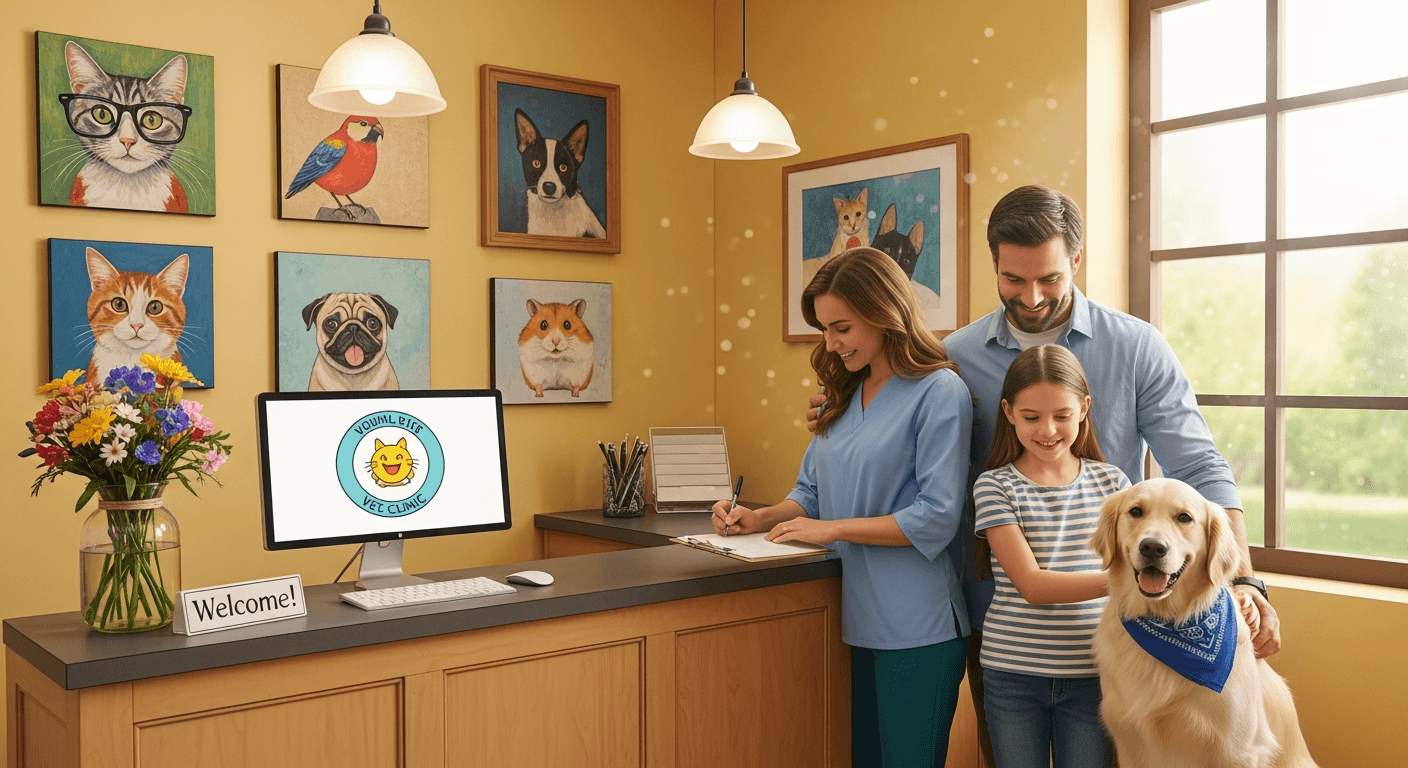
New pet? First vet visit does not need to be stressful. Here is exactly what happens, what information to bring, and how to get the most from the appointment.
 🏥 Vet Guide
Palliative and Hospice Care for Pets
When a pet has a life-limiting illness, palliative and hospice care shift focus to quality of life and comfort. Here is what this care involves and how to navigate it.