
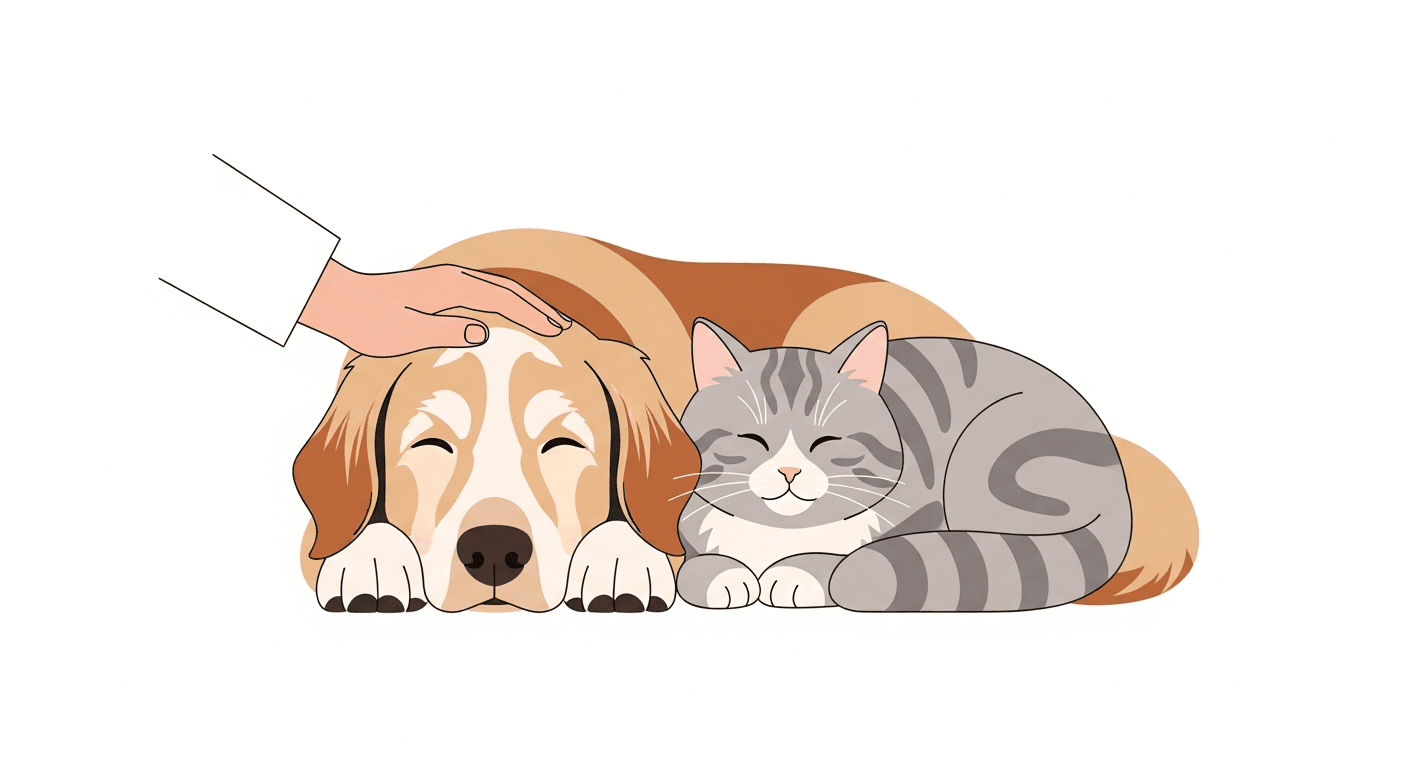
Understanding Palliative and Hospice Care
Palliative care focuses on relieving the symptoms and suffering associated with a serious illness, without necessarily trying to cure or slow the disease. Hospice care is a specific type of palliative care provided in the final phase of life — when curative treatment is no longer appropriate, not desired by the owner, or not available, and the focus shifts entirely to comfort and quality of life in the remaining time.
For pets, palliative and hospice care might begin when a pet receives a terminal diagnosis (late-stage cancer, advanced kidney failure, severe heart disease, inoperable neurological disease) and the owner decides that the goal is to keep their pet comfortable and happy for as long as quality of life can be maintained — rather than pursuing aggressive curative treatment that may extend life at the cost of suffering.
This is a deeply personal decision that deserves thoughtful conversation with your vet. Book a vet appointment at Happy Paws to discuss palliative options for your pet.
The Goals of Palliative Care
When curative intent shifts to palliative intent, the guiding questions become:
- Is this pet comfortable — free from pain, anxiety, and distress?
- Is this pet able to enjoy the activities that are important to them (eating, human connection, movement)?
- Are there more good days than bad days?
- What can we do to maximize comfort and minimize suffering at each stage?
These questions are revisited regularly as the condition progresses. Palliative care is not about giving up — it is about redirecting the focus of care to what matters most in the time that remains.
Components of Palliative Care for Pets
- Pain management: The cornerstone of palliative care. Multimodal pain protocols are adjusted as the disease progresses. See our guide on recognizing and managing pain in pets.
- Nausea and appetite management: Many terminal conditions cause nausea and inappetence. Anti-nausea medications (maropitant, ondansetron), appetite stimulants (mirtazapine in cats, capromorelin in dogs), and small, frequent highly palatable meals help maintain nutrition and enjoyment of food.
- Fluid management: Subcutaneous fluid therapy — fluids given under the skin at home — is commonly taught to owners of pets in kidney failure. It reduces toxin accumulation, improves how the pet feels, and extends good-quality time.
- Anxiety and neurological symptom management: Seizures, cognitive dysfunction, and anxiety associated with neurological conditions can be managed with appropriate medications.
- Environmental comfort: Orthopedic beds, warmth, easy access to food, water, and litter without painful movement, close human presence.
- Frequency of vet visits: Typically increases to monitor progression and adjust medications. Some palliative care vets offer home visits to reduce the stress of clinic trips for fragile patients.
Navigating This Time With Your Pet
The palliative period can be a meaningful time of closeness with your pet. Many owners describe it as an opportunity to be truly present — offering comfort, maintaining familiar routines as the pet's health allows, and preparing emotionally for the transition ahead. Use the TailRounds Daily Log to keep a record of your pet's daily condition — this data helps your vet make timely adjustments and also helps you recognize when quality of life has declined to the point where the question of euthanasia needs to be discussed. For guidance on that decision, see our article on making the euthanasia decision.
Continue Reading
 🏥 Vet Guide
Making the Euthanasia Decision
Deciding when to euthanize a beloved pet is one of the most difficult choices an owner faces. This guide offers a compassionate, practical framework for making this decision.
 🏥 Vet Guide
Recognizing and Managing Pain in Pets
Pets hide pain instinctively. Learn the subtle signs of pain in dogs and cats, what options exist for management, and how to advocate effectively for your pet.
 🏥 Vet Guide
How to Communicate Effectively With Your Vet
Great communication with your vet leads to better care for your pet. Learn how to describe symptoms accurately, ask productive questions, and advocate confidently.
 🏥 Vet Guide
Managing Your Pet's Medical Records
A complete, organized medical record protects your pet at every life stage. Here is how to collect, store, and use your pet's health records effectively.