
Why Pets Hide Pain
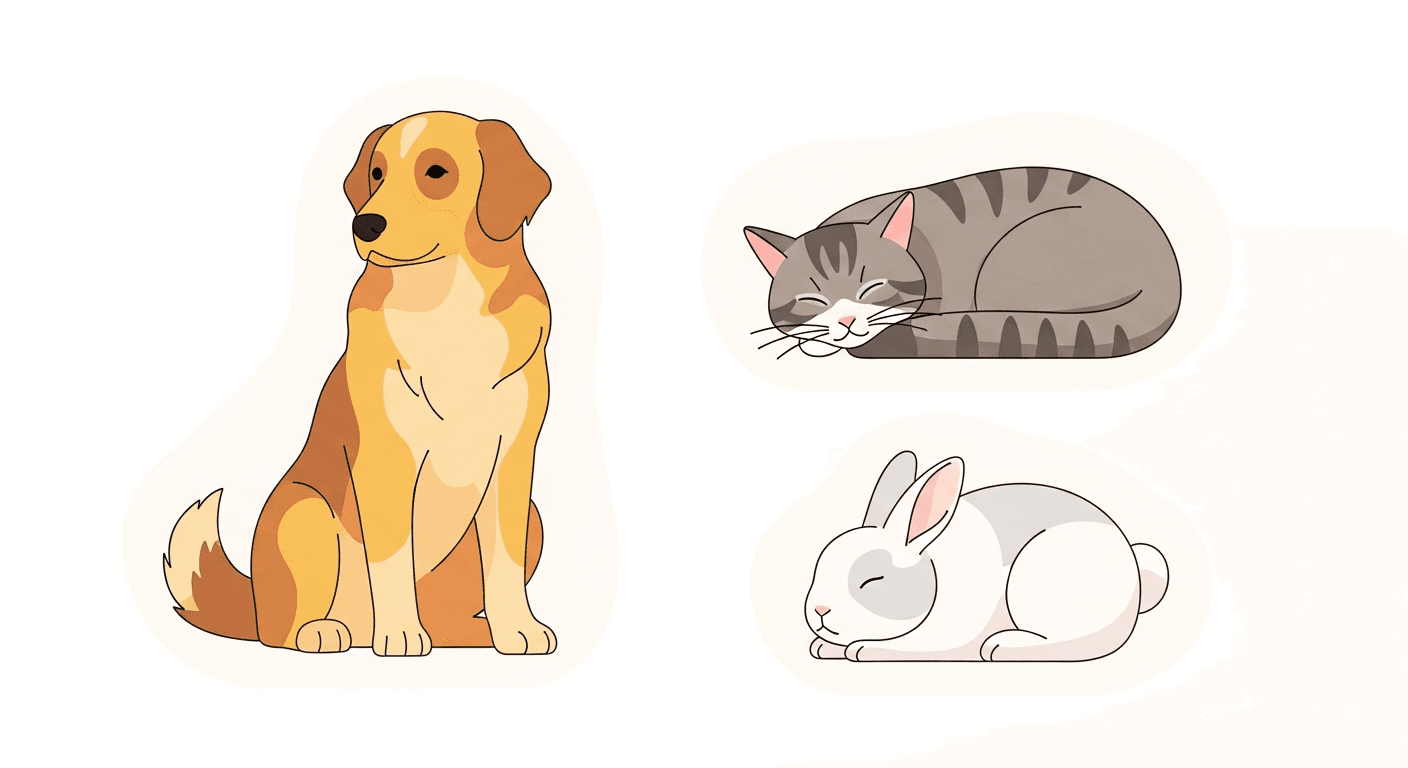
Dogs and cats evolved as both predators and prey. Showing weakness — including showing pain — can signal vulnerability to other animals, a dangerous admission in the wild. This instinct persists in domestic pets, meaning they often suppress obvious pain behaviors even when suffering significantly. A cat sitting quietly in a hunched posture may be in severe pain; a dog that continues to eat may be dealing with significant chronic discomfort. Owners and even veterinarians can underestimate pain levels as a result.
Learning to recognize the subtle signs of pain in your species — and advocating for your pet's comfort at veterinary appointments — is one of the most important skills a pet owner can develop.
Signs of Pain in Dogs
- Reluctance to move, get up, or climb stairs — especially if previously normal
- Limping or altered gait — even subtle shifts in weight-bearing
- Changes in posture: hunching, a guarded stance protecting a body part
- Licking, biting, or pawing at a specific area of the body
- Changes in facial expression: tight facial muscles, furrowed brow, tense eyes
- Restlessness — inability to settle, repeatedly changing position
- Panting in the absence of heat, exercise, or excitement
- Appetite changes — reduced appetite in dogs is a meaningful pain signal
- Increased vocalization or uncharacteristic quietness
- Aggression or withdrawal when touched in a specific area
- Changes in sleep patterns or sleeping more than usual
Signs of Pain in Cats
Cats are especially stoic — their pain signals are often more subtle than dogs':
- Withdrawal and hiding — a cat that has started spending time alone under the bed
- Reduced grooming — a dull, unkempt coat in a cat that was previously well-groomed
- Over-grooming or barbering (excessive licking) of a specific area
- Facial tension: narrowed eyes, flattened whiskers, ears rotated back or sideways
- Reluctance to jump up or down, or choosing lower surfaces than usual
- Squinting or closing one or both eyes — often indicates eye or face pain
- Reduced appetite — most significant pain signal in cats
- Litter box changes: going outside the box (painful to step in), straining, or avoiding the box
- Uncharacteristic aggression when handled
If you observe any of these changes in your cat, use the TailRounds AI Triage tool or contact your vet to assess whether pain is the underlying cause.
Pain Management Options in Veterinary Medicine
Effective pain management is multimodal — using several mechanisms simultaneously rather than relying on a single drug:
- NSAIDs (non-steroidal anti-inflammatory drugs): The backbone of pain management for most musculoskeletal conditions. Carprofen, meloxicam, grapiprant, and deracoxib are common veterinary NSAIDs. Never use human NSAIDs (ibuprofen, naproxen, aspirin) — they are toxic to dogs and especially cats.
- Opioids: Tramadol, buprenorphine — for moderate to severe pain, post-operative pain, and cancer pain. Often combined with NSAIDs.
- Gabapentin: For neuropathic (nerve) pain, chronic pain conditions, and in cats for many types of pain where NSAIDs are not appropriate.
- Monoclonal antibodies (anti-NGF): Librela (dogs) and Solensia (cats) are monthly injectable biologics targeting the nerve growth factor pathway — a breakthrough for chronic osteoarthritis pain management.
- Physical rehabilitation: Underwater treadmill therapy, targeted exercises, massage — increasingly available through specialist rehab vets.
- Environmental modifications: Ramps, orthopedic beds, raised food bowls, non-slip surfaces — dramatically improve quality of life for arthritic pets.
Track your pet's pain scores, mobility observations, and medication responses in the TailRounds Daily Log to give your vet accurate, dated information at each visit.
Continue Reading
 🏥 Vet Guide
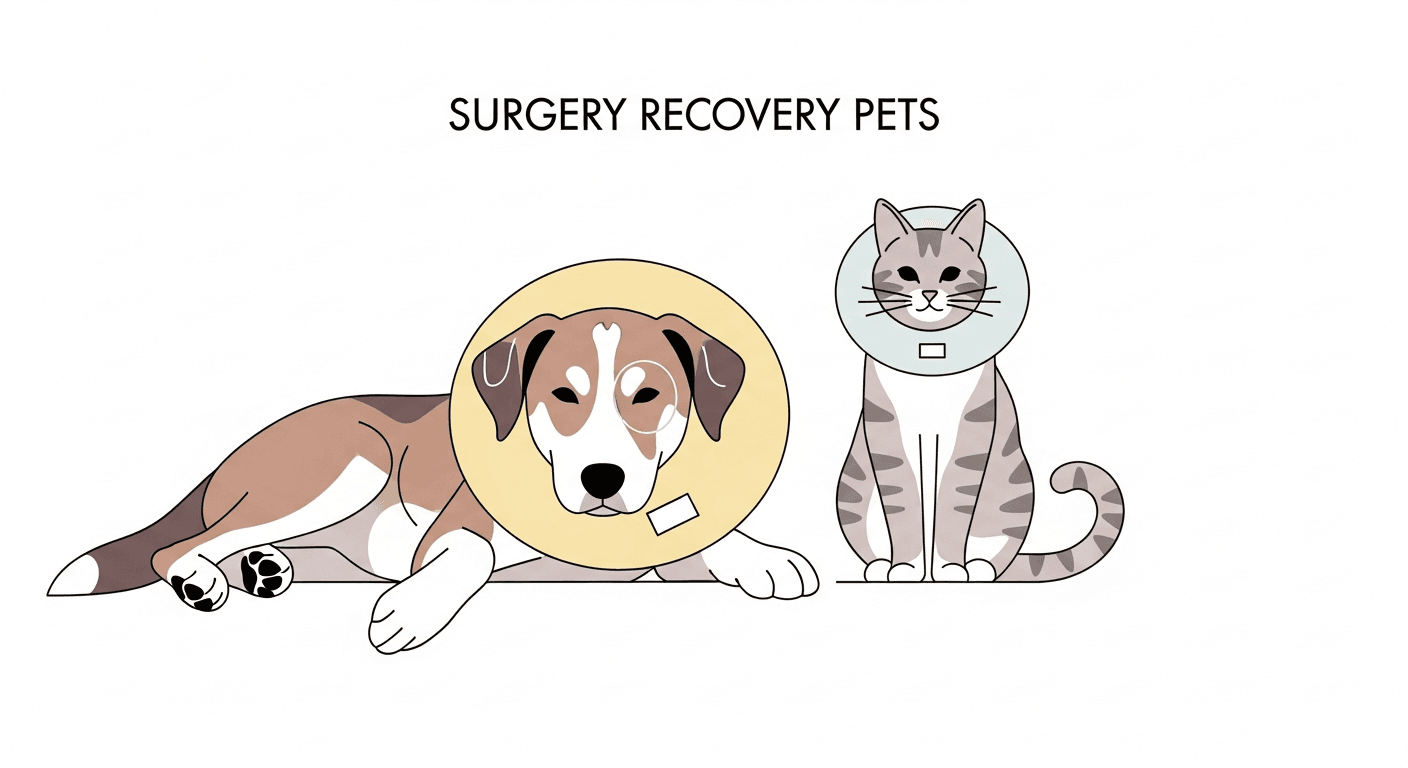
Caring for Your Pet After Surgery
Post-surgical recovery requires careful attention. Learn what to expect in the days after surgery, how to prevent complications, and when to call the vet.
 🏥 Vet Guide
Is Anesthesia Safe for Pets?
Anesthesia concerns stop some pet owners from pursuing needed procedures. Here is what modern veterinary anesthesia involves and what the real risks are.
 🏥 Vet Guide
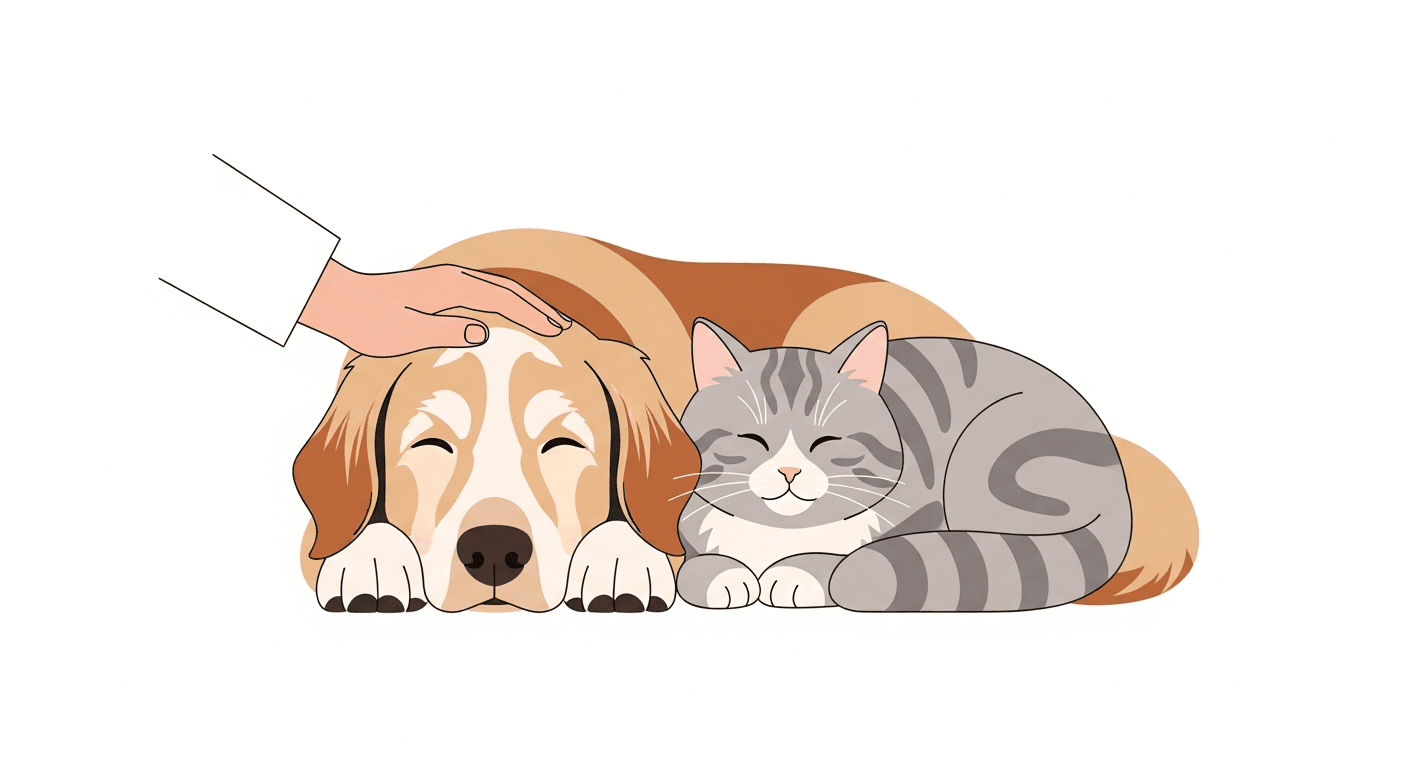
Palliative and Hospice Care for Pets
When a pet has a life-limiting illness, palliative and hospice care shift focus to quality of life and comfort. Here is what this care involves and how to navigate it.
 🏥 Vet Guide
How to Communicate Effectively With Your Vet
Great communication with your vet leads to better care for your pet. Learn how to describe symptoms accurately, ask productive questions, and advocate confidently.