
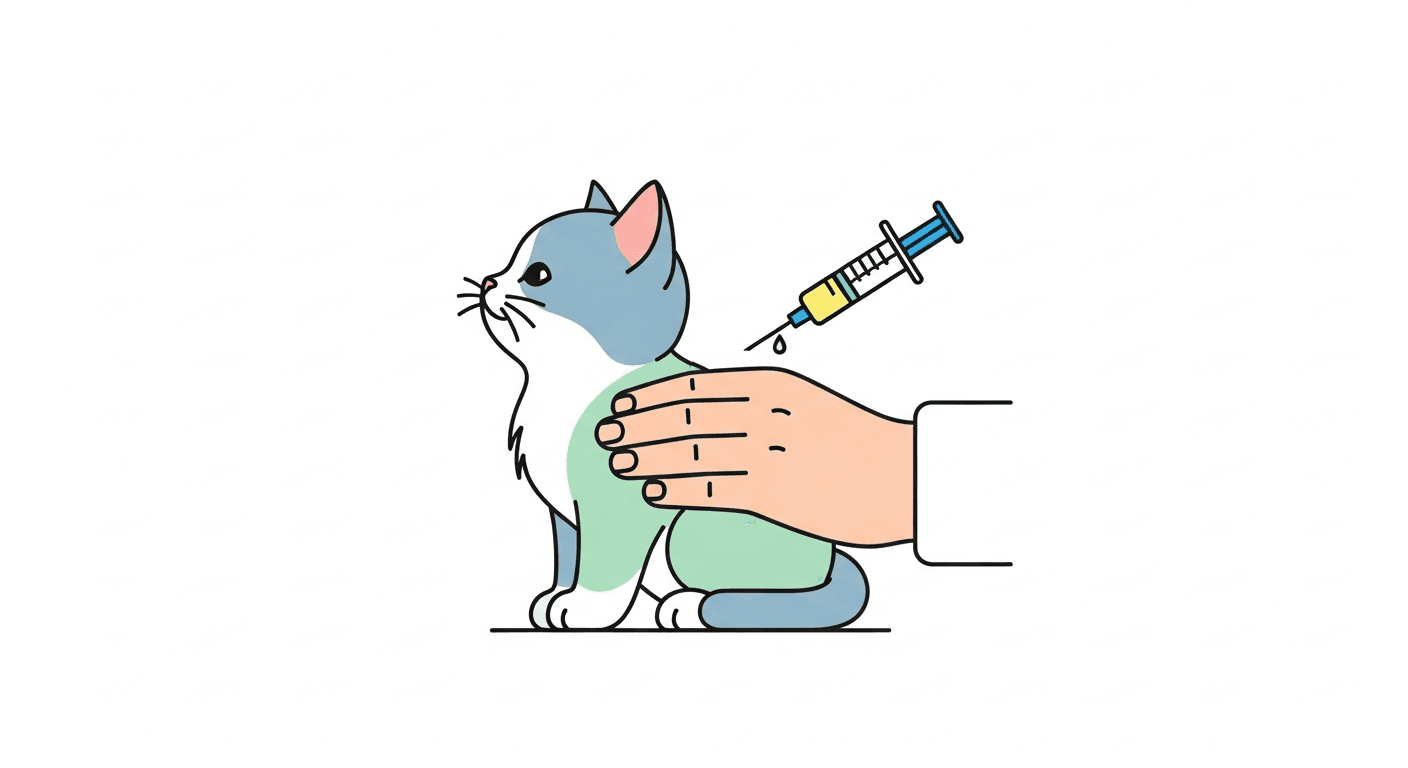
Starting Your Kitten's Vaccine Journey
Bringing home a new kitten is an exciting time, but health protection should be a top priority from day one. Kittens are highly vulnerable to infectious diseases in the early weeks of life, and the window between the fading of maternal immunity and vaccine-acquired protection is a period of real risk. Most vets recommend scheduling a first vaccine appointment when your kitten is between 6 and 8 weeks of age.
If you adopted your kitten from a shelter, they may have already received their first dose. Always ask for vaccine records and share them with your vet. Book a vet appointment at Happy Paws to get your kitten's health journey started.
Core Vaccines Your Kitten Will Receive
The first and most important vaccine for kittens is the FVRCP combination, which protects against three major diseases:
- Feline Viral Rhinotracheitis (FHV-1): A herpesvirus causing severe upper respiratory infection, eye discharge, and sneezing. Infected cats become lifelong carriers.
- Feline Calicivirus (FCV): Causes respiratory disease, painful mouth ulcers, and in virulent strains, systemic disease.
- Feline Panleukopenia (FPV): Often called feline distemper — one of the most contagious and lethal diseases in cats. It destroys white blood cells and gut lining.
Rabies vaccine is also core and is given at or after 12–16 weeks of age. It is legally required in most jurisdictions and is the only vaccine that protects against a disease transmissible to humans.
The Kitten Booster Series
One injection is not enough to establish reliable immunity in a kitten. Maternal antibodies passed through the queen's milk can neutralize vaccine antigens, so a series is required:
- 6–8 weeks: First FVRCP dose. FeLV testing and first FeLV vaccine if there is any outdoor or multi-cat exposure risk.
- 10–12 weeks: Second FVRCP booster. Second FeLV dose if started.
- 14–16 weeks: Third FVRCP booster. Rabies vaccine.
- 12–16 months: FVRCP and rabies boosters one year after the final kitten dose.
After the initial series, adult cats typically receive FVRCP every 3 years (low-risk indoor cats) or annually (high-risk cats). Rabies is given per local law, often annually or every 3 years depending on the product used.
Feline Leukemia: Should Your Kitten Be Vaccinated?
The Feline Leukemia Virus (FeLV) vaccine is considered core for all kittens by many practitioners, regardless of expected lifestyle, because indoor/outdoor status can change. FeLV is spread through close contact — shared food bowls, mutual grooming, and bite wounds. It is one of the leading infectious causes of death in cats under 8 years old.
Your vet will first test your kitten for existing FeLV infection before vaccinating. Testing takes only minutes and is done with a simple blood sample. If your kitten tests negative, vaccination is strongly recommended.
Keeping Your Kitten Comfortable After Vaccines
Mild reactions are normal and expected after vaccines:
- Sleepiness and low energy for 12–24 hours
- Slight soreness at the injection site
- Reduced appetite that evening
- Sneezing within a few days if an intranasal vaccine was used
Offer a quiet, warm space for your kitten to rest. Keep water and food available but do not worry if they skip a meal. Watch for warning signs of a serious reaction: facial swelling, difficulty breathing, persistent vomiting, or complete refusal to move. These require immediate veterinary attention. If you have concerns, use the TailRounds AI Triage tool for guidance. Track all vaccine dates and reactions in My Pets on TailRounds so your records are always up to date.
Continue Reading
 💉 Vaccines & Preventive Care
Cat Vaccination Schedule by Age
Learn which vaccines cats need from kittenhood through senior years, including core and lifestyle-based non-core vaccines.
 💉 Vaccines & Preventive Care
Feline Leukemia (FeLV) Vaccine
FeLV is a leading infectious killer of cats. Learn who should be vaccinated, how the vaccine works, and what protection it provides.
 💉 Vaccines & Preventive Care
Vaccine Side Effects: What's Normal
Most vaccine side effects in pets are mild and resolve quickly. Learn what to expect, what requires a vet call, and signs of a rare serious reaction.
 💉 Vaccines & Preventive Care
Do Indoor Cats Need Vaccines?
Many owners assume indoor cats are fully protected from disease. Here is what the evidence says about which vaccines are still essential for stay-at-home cats.