
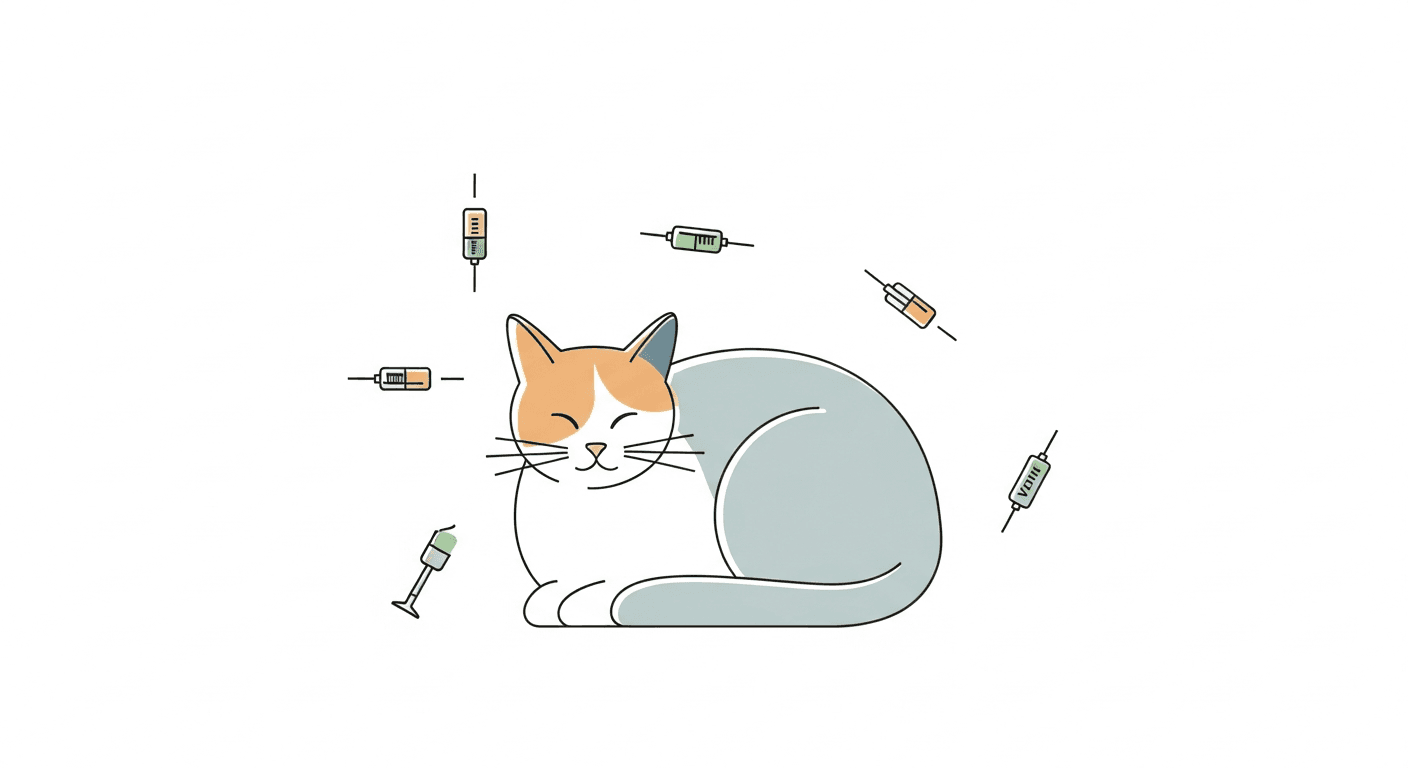
The Indoor Cat Myth
A common belief among cat owners is that indoor cats are safe from infectious disease and therefore do not need vaccines. This is a misunderstanding that leads to real health risk. While it is true that outdoor cats face a higher infectious disease burden, indoor cats are not fully isolated from exposure — and the diseases these vaccines prevent are severe enough that even a low chance of exposure justifies protection.
If your cat has never received any vaccines, or if their records are out of date, schedule a visit promptly. Book a vet appointment at Happy Paws to discuss which vaccines your cat needs based on their lifestyle. Or find a clinic near you.
Why Indoor Cats Still Face Risk
Here is how infectious disease reaches indoor cats:
- Tracking pathogens indoors: You can carry parvovirus (panleukopenia), ringworm, and other organisms on your clothes and shoes from outdoor environments.
- New pets introduced to the household: A new kitten, dog, or foster animal may be carrying viruses or bacteria that expose your resident cat.
- Accidental escape: Even the most cautious owners occasionally have a cat slip out a door or window. A cat with no vaccine history is immediately at risk.
- Visits to the vet: Shared waiting rooms and examination surfaces can harbor pathogens from sick animals.
- Visiting animals: Dogs that visit your home from outdoor environments can carry organisms indirectly into your cat's space.
Core Vaccines Are Essential for Indoor Cats
The AAFP recommends that all cats — regardless of lifestyle — receive core vaccines. These are:
- FVRCP (Feline Viral Rhinotracheitis, Calicivirus, Panleukopenia): Panleukopenia is caused by a highly stable virus that survives in the environment for a long time. It can reach indoor cats through fomite transmission (objects, shoes, hands). The respiratory components are extremely common — most cats will encounter them at some point. This vaccine is non-negotiable for all cats.
- Rabies: Legally required in most jurisdictions for all cats, including indoor cats. A bat that enters the home, or a cat that escapes for a single night, can result in rabies exposure. The consequences of an unvaccinated cat with a potential exposure are severe (mandatory quarantine, or euthanasia for testing). Legally and medically required.
Non-Core Vaccines for Indoor Cats: A Case-by-Case Decision
- Feline Leukemia (FeLV): Strongly recommended for all kittens and for any cat with any potential outdoor or other-cat exposure. A truly indoor-only adult cat with zero exposure to other cats may reasonably skip FeLV after their initial kitten series — but this requires a genuine lifestyle assessment with your vet, not an assumption.
- Feline Immunodeficiency Virus (FIV): Generally not recommended for indoor-only cats with no bite wound exposure risk.
- Bordetella, Chlamydia: Generally not recommended unless there is specific multi-cat household exposure.
Track your indoor cat's vaccine history and set reminder alerts in My Pets on TailRounds so booster dates never sneak up on you unnoticed.
Continue Reading
 💉 Vaccines & Preventive Care
Cat Vaccination Schedule by Age
Learn which vaccines cats need from kittenhood through senior years, including core and lifestyle-based non-core vaccines.
 💉 Vaccines & Preventive Care
Kitten Vaccination Guide
A complete guide to kitten vaccines: what is given, when, how many boosters are needed, and how to keep your kitten comfortable afterward.
 💉 Vaccines & Preventive Care
Feline Leukemia (FeLV) Vaccine
FeLV is a leading infectious killer of cats. Learn who should be vaccinated, how the vaccine works, and what protection it provides.
 💉 Vaccines & Preventive Care
Rabies Vaccine for Dogs and Cats
Why the rabies vaccine is legally required, how often pets need it, and what to expect from the shot. Essential reading for all pet owners.