
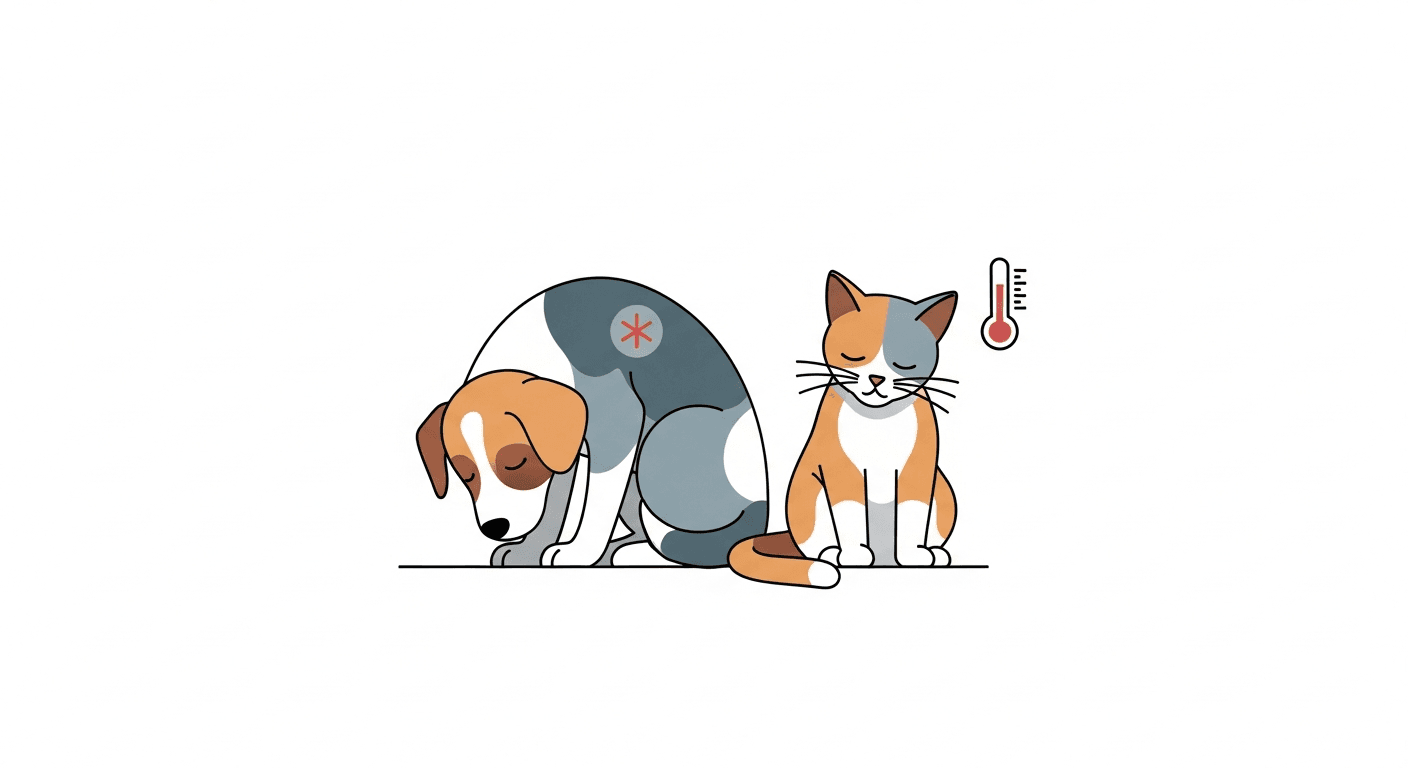
Why Reactions Happen
Vaccines work by stimulating the immune system — so some degree of immune response after vaccination is expected and healthy. The side effects most pets experience are the immune system doing exactly what it should: recognizing the vaccine antigens and mounting a response. Understanding what is normal versus what requires concern helps pet owners respond calmly and appropriately after every vaccination visit.
The vast majority of pets experience no significant reaction at all. Of those that do react, most experience only mild, short-lived symptoms. Serious reactions are rare — estimated to occur in about 1 in every 1,000 to 10,000 vaccinated animals depending on the study and vaccine type.
Normal Side Effects (No Action Needed)
These side effects typically appear within a few hours of vaccination and resolve within 24–48 hours:
- Lethargy and tiredness: Your pet may seem unusually quiet or sleepy for a day. Provide a comfortable place to rest.
- Soreness at the injection site: The area may be tender. Your pet may flinch when touched there. This resolves within a few days.
- Small firm lump at the injection site: Can appear and is usually reabsorbed within a few weeks. Very common.
- Mild fever: A low-grade fever for 24–48 hours is a normal immune response.
- Reduced appetite that evening: Skipping one meal is not concerning if appetite returns to normal the next morning.
- Sneezing after intranasal vaccines: Normal and expected for 3–5 days after nasal bordetella or feline vaccines delivered via nasal route.
For mild reactions, keep your pet comfortable, ensure water is available, and avoid stressful activities. No medication is needed unless your vet specifically recommends it.
Moderate Reactions: Call Your Vet
The following symptoms warrant a phone call to your vet, though they are not usually emergencies:
- Lethargy that persists beyond 48 hours
- Firm lump at the injection site that persists beyond 3–4 weeks, or grows
- Mild diarrhea or vomiting that resolves on its own within 24 hours
- Reluctance to bear weight on the limb near the injection site for more than 2–3 days
Document these reactions so your vet can note them in your pet's records and potentially adjust the vaccine schedule or choice of products in the future. Record them in My Pets on TailRounds for easy reference.
Serious Reactions: Seek Emergency Care Immediately
Anaphylaxis and other serious allergic reactions are rare but require immediate emergency veterinary care. They typically occur within 15–30 minutes of vaccination but can happen up to a few hours later. Signs include:
- Facial swelling, especially around the muzzle and eyes
- Hives (raised welts on the skin)
- Severe itching — pet frantically scratching face
- Vomiting and diarrhea together
- Pale or white gums
- Difficulty breathing, coughing, or wheezing
- Sudden weakness, stumbling, or collapse
If you observe any of these signs, this is an emergency. Go directly to a veterinary clinic or emergency hospital. Do not wait to see if symptoms improve. Use TailRounds AI Triage if you need immediate guidance on severity while on your way to the vet.
Future Vaccines After a Reaction
A pet that has experienced a moderate or serious reaction to a vaccine should not automatically be denied future vaccines — but the approach needs adjustment. Your vet may:
- Pre-medicate with antihistamines or low-dose corticosteroids before future vaccines
- Split the vaccine schedule so not all boosters are given on the same day
- Use titer testing to check existing immunity before deciding whether revaccination is needed
- Choose a different manufacturer's product for the same vaccine
Always inform any vet seeing your pet for the first time about previous vaccine reactions — it is essential information that affects their clinical decisions.
Continue Reading
 💉 Vaccines & Preventive Care
Puppy's First Vaccines: What to Expect
Everything new puppy owners need to know about the first round of vaccines — timing, what is given, side effects, and aftercare.
 💉 Vaccines & Preventive Care
Kitten Vaccination Guide
A complete guide to kitten vaccines: what is given, when, how many boosters are needed, and how to keep your kitten comfortable afterward.
 💉 Vaccines & Preventive Care
Rabies Vaccine for Dogs and Cats
Why the rabies vaccine is legally required, how often pets need it, and what to expect from the shot. Essential reading for all pet owners.
 💉 Vaccines & Preventive Care
Titer Testing Instead of Revaccination
Titer testing measures existing antibody levels to determine whether revaccination is needed. Learn when it is a valid alternative and how it works.