
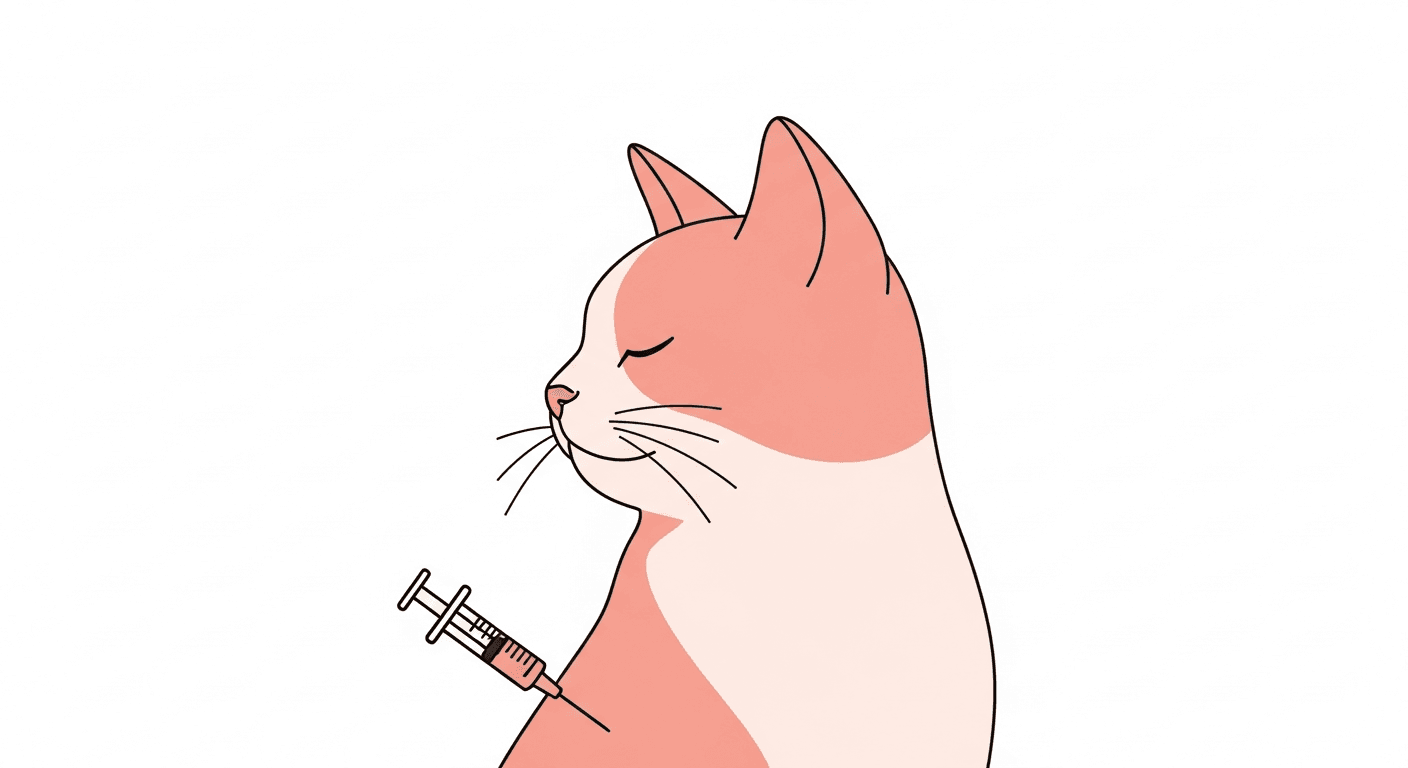
What Is Feline Leukemia Virus?
Feline Leukemia Virus (FeLV) is a retrovirus — a type of virus that integrates its genetic material into the host's DNA. Once established in a cat's body, the virus suppresses the immune system, interferes with normal blood cell production, and dramatically increases the risk of lymphoma and other cancers. FeLV is one of the most common infectious causes of death in cats worldwide, responsible for a significant proportion of feline fatalities under 8 years of age.
FeLV spreads through prolonged close contact between cats — mutual grooming, shared food bowls, shared litter boxes, and bite wounds. A mother cat can pass it to her kittens in the womb or through nursing. Unlike many other infectious diseases, FeLV is not contagious to dogs or humans.
Which Cats Are Most at Risk?
Outdoor cats and indoor cats with access to outdoor cats face the highest risk. However, even indoor-only cats are not entirely safe — new cats introduced to the household, escape incidents, or contact through screen doors with neighborhood cats all represent potential exposure. Risk assessment should consider:
- Outdoor or supervised outdoor access (roaming, leash walks, catios)
- Contact with cats of unknown FeLV status
- Multi-cat households, especially with a cat of unknown history
- History of bite wounds or fights with other cats
- Kittens from mothers of unknown FeLV status
How the FeLV Vaccine Works
The FeLV vaccine is a non-core vaccine but is widely recommended for all kittens because lifestyle can change unexpectedly. The AAFP considers it core for kittens. The vaccine works by priming the immune system to recognize and respond to FeLV antigens before exposure occurs.
Critically, your veterinarian will test your cat for existing FeLV infection before vaccinating. Vaccinating an already-infected cat provides no benefit and delays appropriate management. The test is simple and takes about 10 minutes in-clinic.
FeLV vaccines available today include adjuvanted killed vaccines and recombinant products. Recombinant vaccines use a modified canarypox virus to deliver FeLV antigens, carrying no risk of causing infection and generally associated with fewer injection-site reactions.
Vaccination Schedule for FeLV
- 8–10 weeks: First FeLV dose (after negative test)
- 12–14 weeks: Second FeLV dose (3–4 weeks after first)
- 12–16 months: Booster one year after the kitten series
- Annually (adult cats at risk): Annual re-vaccination for cats with outdoor access or multi-cat exposure
- Every 2–3 years (low-risk adults): For confirmed indoor-only cats with no exposure risk, longer intervals may be appropriate — discuss with your vet
To book a FeLV test and vaccination for your cat, book a vet appointment at Happy Paws or find a clinic near you.
What If My Cat Tests Positive for FeLV?
A positive FeLV test is devastating news, but it is not necessarily an immediate death sentence. Some cats with FeLV live for years with attentive management. Key steps include:
- Confirm with a second test — some early infections are transient
- Keep the cat strictly indoors to prevent spreading FeLV to other cats and to reduce the cat's own exposure to infections
- Schedule twice-yearly wellness exams and routine bloodwork
- Ensure all other vaccinations are kept current
- Discuss with your vet whether antiviral treatment or immune-support protocols are appropriate
Track your FeLV-positive cat's health visits and lab results in My Pets on TailRounds for organized, accessible records.
Continue Reading
 💉 Vaccines & Preventive Care
Cat Vaccination Schedule by Age
Learn which vaccines cats need from kittenhood through senior years, including core and lifestyle-based non-core vaccines.
 💉 Vaccines & Preventive Care
Kitten Vaccination Guide
A complete guide to kitten vaccines: what is given, when, how many boosters are needed, and how to keep your kitten comfortable afterward.
 💉 Vaccines & Preventive Care
Do Indoor Cats Need Vaccines?
Many owners assume indoor cats are fully protected from disease. Here is what the evidence says about which vaccines are still essential for stay-at-home cats.
 💉 Vaccines & Preventive Care
Titer Testing Instead of Revaccination
Titer testing measures existing antibody levels to determine whether revaccination is needed. Learn when it is a valid alternative and how it works.