
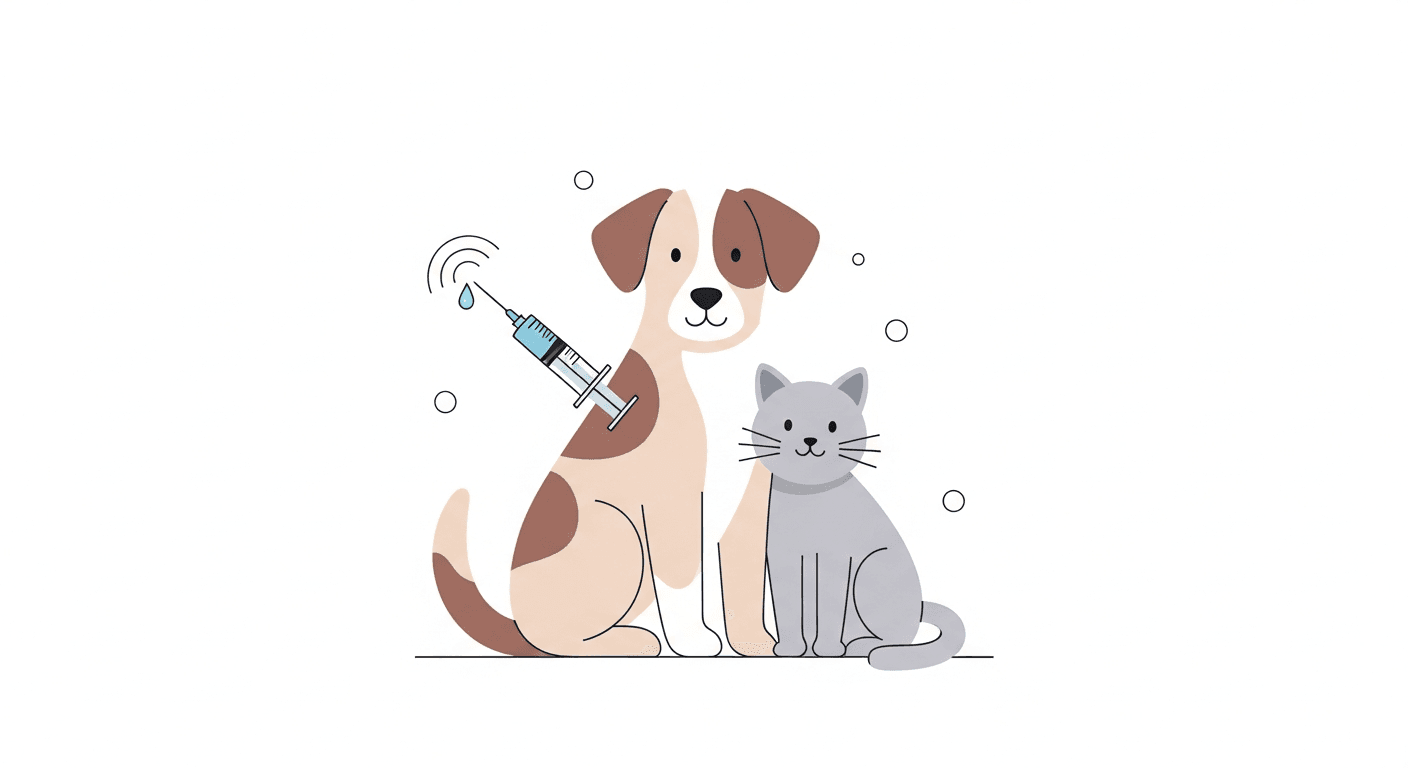
Why Rabies Vaccination Is Non-Negotiable
Rabies is almost universally fatal once clinical signs appear — in animals and in humans. It is a zoonotic disease, meaning it can spread from animals to people, which is why governments worldwide mandate rabies vaccination for pets. In most countries and states, an unvaccinated pet that bites a person or is bitten by a wild animal can face mandatory quarantine or euthanasia.
The vaccine is the only reliable way to protect your pet, protect your family, and comply with the law. If you are unsure of your pet's rabies vaccination status, book a vet appointment at Happy Paws right away or find a clinic near you.
How the Rabies Virus Spreads
Rabies is transmitted through the saliva of an infected animal, almost always through a bite. Common wildlife reservoirs include bats, raccoons, foxes, skunks, and coyotes. Your pet does not need to venture far — a bat that enters your home, a raccoon encountered in the backyard, or a stray dog at the park can all represent exposure.
Once the virus enters the body, it travels along nerves toward the brain. The incubation period in animals ranges from weeks to months, meaning a pet may appear completely healthy for a long time after exposure. By the time symptoms appear, treatment is no longer possible.
Vaccination Schedule: When and How Often
For dogs, the first rabies vaccine is given at 12–16 weeks of age. A booster is due one year later, and then every 1 or 3 years depending on the vaccine product used and local regulations. For cats, the schedule is identical — first vaccine at 12–16 weeks, one-year booster, then every 1–3 years.
- 1-year rabies vaccine: Requires annual boosters. Often used for the initial series.
- 3-year rabies vaccine: Approved for use in pets that have already received the 1-year product and been boosted. Reduces the frequency of visits for established adult pets.
Your vet will advise which product is appropriate, and your local law may specify which interval is legally acceptable. Always keep your pet's rabies certificate — many jurisdictions require you to produce it on demand.
Side Effects and Safety
The rabies vaccine is extremely safe. The vast majority of pets experience no reaction at all, or only mild soreness at the injection site and brief tiredness. Rare side effects include:
- Small, firm lump at the injection site (usually resolves within a few weeks)
- Mild lethargy lasting 12–24 hours
- Low-grade fever
Vaccine-associated sarcoma (VAS) is a rare complication seen more often in cats than dogs, and modern protocols address this by using specific injection sites that allow for surgical intervention if needed. The risk of VAS is far outweighed by the protection the vaccine provides.
If your pet shows facial swelling, hives, difficulty breathing, or collapse within hours of vaccination, seek emergency veterinary care immediately. You can also consult the TailRounds AI Triage tool for quick guidance on whether a reaction warrants urgent attention.
What Happens If Your Pet Is Overdue
If your dog or cat has missed a rabies booster, contact your vet promptly. In most cases, a single booster dose re-establishes protection and resets the clock on the vaccination interval. The more overdue the pet, the more likely the vet may recommend a full restart or blood titer testing. Do not delay — an unvaccinated pet exposed to a rabid animal faces serious legal and health consequences. Track due dates easily with My Pets on TailRounds.
Continue Reading
 💉 Vaccines & Preventive Care
Dog Vaccination Schedule by Age
A complete dog vaccination schedule from puppyhood through adulthood. Know exactly which vaccines your dog needs and when.
 💉 Vaccines & Preventive Care
Cat Vaccination Schedule by Age
Learn which vaccines cats need from kittenhood through senior years, including core and lifestyle-based non-core vaccines.
 💉 Vaccines & Preventive Care
Vaccine Side Effects: What's Normal
Most vaccine side effects in pets are mild and resolve quickly. Learn what to expect, what requires a vet call, and signs of a rare serious reaction.
 💉 Vaccines & Preventive Care
Vaccines for Traveling with Pets
Planning to travel internationally with your dog or cat? Vaccine requirements vary by country. Here is how to prepare your pet for cross-border travel.