
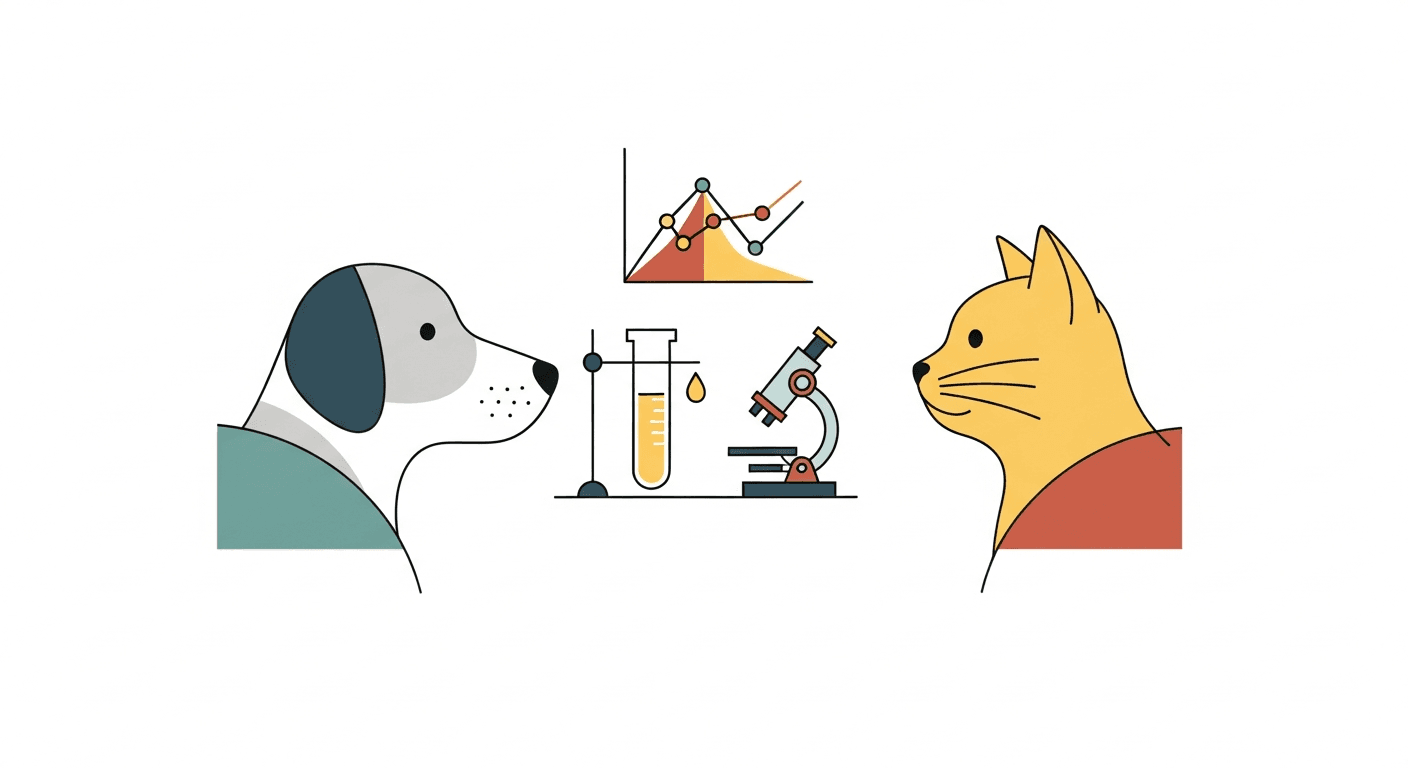
What Is Titer Testing?
A titer test (also spelled "titre") is a blood test that measures the level of antibodies to a specific pathogen or vaccine antigen in your pet's bloodstream. The result, expressed as a ratio or numerical value, indicates whether your pet has sufficient protective antibody levels to be considered immune — potentially negating the need for a booster vaccine at that time.
Titer testing has become a popular topic among pet owners seeking to avoid "over-vaccination" — the idea that repeated immunization with vaccines that confer long-lasting immunity may be unnecessary and could contribute to immune-mediated disease or adverse reactions over time. While the science on over-vaccination is still evolving, titer testing is a legitimate tool that many veterinarians and veterinary organizations now support as an alternative to automatic re-vaccination for certain core vaccines.
Which Vaccines Can Be Titer-Tested?
Titer testing is most validated and most useful for core viral vaccines:
- Canine distemper (CDV): Strong correlation between measurable antibody titers and protection. A positive titer is generally accepted as evidence of immunity.
- Canine parvovirus (CPV): Well-validated. Positive titers are strongly correlated with protection.
- Feline panleucopenia (FPV): Similarly well-validated in cats.
- Rabies: Titer testing exists (the FAVN and RFFIT tests) and is required by some countries for import/export, but most jurisdictions still require vaccine documentation regardless of titer level.
Titer testing is generally not useful as a substitute for non-core vaccines like leptospirosis or bordetella, where immunity is short-lived and titer levels do not correlate as reliably with real-world protection.
When Is Titer Testing a Good Choice?
- Pets with a history of vaccine reactions who need to minimize exposure to vaccine antigens
- Older dogs or cats whose owners wish to confirm immunity before deciding whether to continue boosters
- Adopted pets with incomplete or unknown vaccination history (to determine if they have any immunity before starting a new series)
- Pets with immune-mediated diseases where stimulating the immune system repeatedly is a concern
- Owners who wish to make an evidence-based decision about revaccination
Discuss with your vet whether titer testing makes sense for your specific pet. Book a vet appointment at Happy Paws to have this conversation and get a personalized recommendation.
Limitations of Titer Testing
- Cost: Titer tests are more expensive than the vaccines themselves — a distemper/parvo titer may cost two to four times what the DA2PP vaccine costs.
- Not universally accepted: Some boarding facilities, dog shows, and jurisdictions require proof of vaccination regardless of titer results.
- Not a perfect proxy: Antibodies are one component of immunity. Cellular immunity (T-cell memory) also provides protection but is not measured by standard titer tests. A low titer does not necessarily mean no immunity.
- Turnaround time: Most require sending samples to a reference laboratory, with results taking days.
Keep all titer test results stored alongside your pet's vaccine records in My Pets on TailRounds. If a positive titer is accepted in lieu of vaccination, make sure you still schedule annual wellness exams — the yearly visit serves many purposes beyond vaccines alone.
Continue Reading
 💉 Vaccines & Preventive Care
Dog Vaccination Schedule by Age
A complete dog vaccination schedule from puppyhood through adulthood. Know exactly which vaccines your dog needs and when.
 💉 Vaccines & Preventive Care
Cat Vaccination Schedule by Age
Learn which vaccines cats need from kittenhood through senior years, including core and lifestyle-based non-core vaccines.
 💉 Vaccines & Preventive Care
Vaccine Side Effects: What's Normal
Most vaccine side effects in pets are mild and resolve quickly. Learn what to expect, what requires a vet call, and signs of a rare serious reaction.
 💉 Vaccines & Preventive Care
Feline Leukemia (FeLV) Vaccine
FeLV is a leading infectious killer of cats. Learn who should be vaccinated, how the vaccine works, and what protection it provides.