
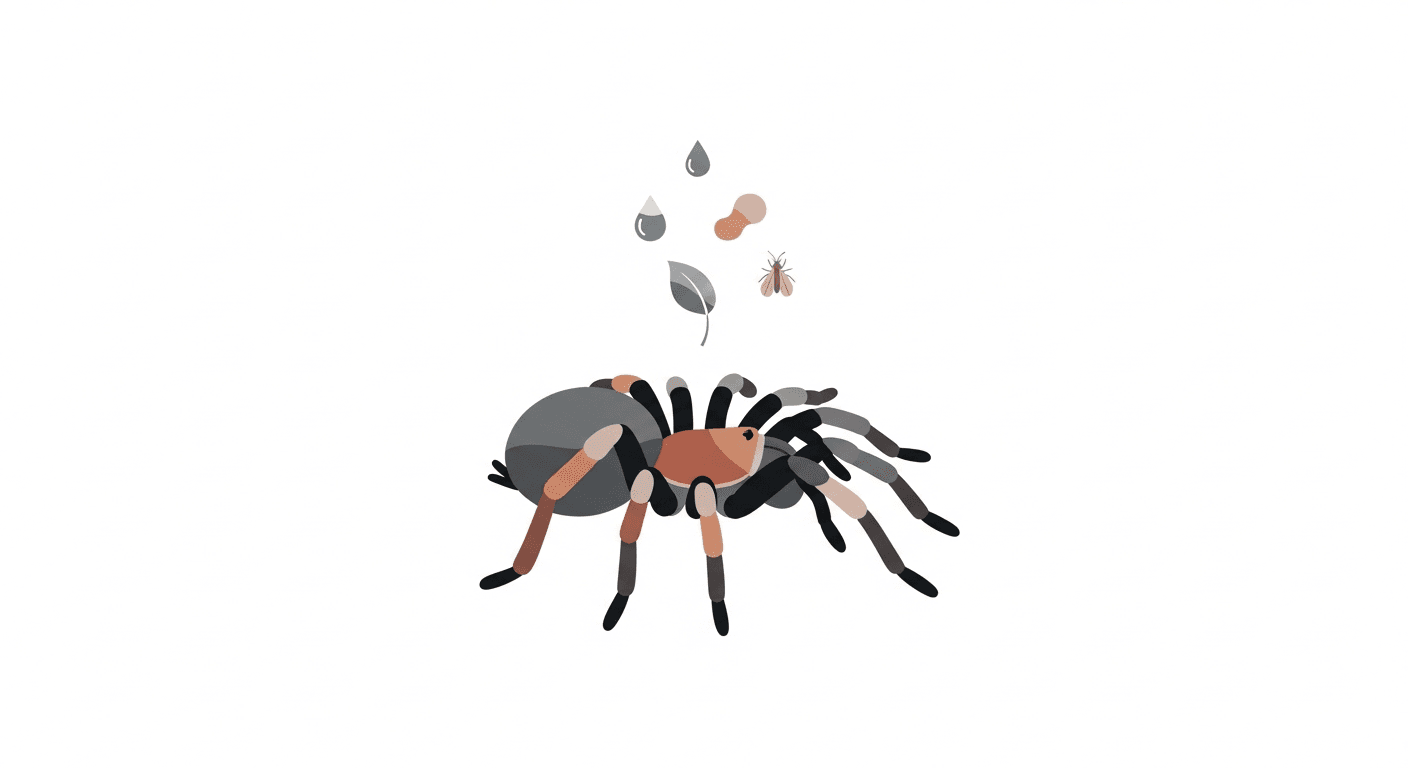
Are Tarantulas Good Pets?
Tarantulas are increasingly popular pets for those interested in invertebrates. They are quiet, require little space, produce almost no odor, and are fascinating to observe. They do not require daily interaction — many keepers check on their tarantulas weekly. However, tarantulas are display animals, not pets that tolerate or enjoy being held. Handling adds stress to the animal and risk to the keeper. That said, many beginner species are docile, move slowly, and are appropriate for careful, informed handling by adults.
Tarantulas live 5–30+ years depending on species (females live much longer than males). They are legal in most jurisdictions but check local laws regarding venomous arachnids.
Choosing a Beginner Species
Not all tarantulas are equal in docility and care complexity. Recommended beginner species:
- Brachypelma hamorii (Mexican red knee): Slow-moving, docile, hardy. The classic beginner tarantula. Terrestrial with low humidity needs.
- Grammostola pulchripes (Chaco golden knee): Extremely docile, slow-growing but very long-lived. Excellent beginner species.
- Grammostola pulchra (Brazilian black): Jet black, slow-growing, very calm. Among the most desirable beginner tarantulas.
- Avoid for beginners: Old World tarantulas (African, Asian species), arboreal species, and any fast-moving species. Poecilotheria and Pterinochilus species are fast, defensive, and have medically significant venom.
Enclosure Setup
Enclosure type depends on whether the species is terrestrial (ground-dwelling), fossorial (burrowing), or arboreal (tree-dwelling):
- Terrestrial/fossorial: Floor space approximately 3× the leg span of the tarantula in each direction. Substrate 4–6 inches deep (coco fiber, topsoil, peat mix) for burrowing species. Shallow water dish (a bottle cap works for small tarantulas).
- Arboreal: Height is more important than floor space. Provide cork bark vertically for climbing and a starter hide.
- Ventilation: Cross-ventilation is essential — stale, humid air breeds mold and mites. Screen sides or top ventilation holes are necessary.
- Temperature: Most tarantulas do well at room temperature 70–80°F (21–27°C). Avoid heating pads under the enclosure — they dry out the substrate and can trap the tarantula against the heat source.
- No cohabitation: Tarantulas are solitary and cannibalistic. Each animal requires its own enclosure.
Feeding
- Feed live prey: crickets, dubia roaches, mealworms, superworms
- Prey item should be no larger than the tarantula's abdomen
- Feed juveniles weekly, adults every 2–4 weeks
- Remove uneaten prey within 24 hours — live insects can injure a tarantula, especially during molt
- Do not feed during premolt (abdomen darkens, spider refuses food) — wait until molting is complete and exoskeleton has hardened (1–2 weeks)
Molting
Tarantulas molt their exoskeleton as they grow. Signs of premolt: refusing food, lethargy, sealing the burrow entrance with silk. The molt itself can take several hours. The tarantula is extremely vulnerable during and immediately after molting — remove all live insects from the enclosure during this period. Do not offer food for at least 1–2 weeks after a molt. Log molt events, feeding records, and enclosure conditions in the TailRounds Daily Log. For any health concerns, use TailRounds AI Triage and find an exotic vet via the clinic finder.
Continue Reading
 🐇 Small Pets
Stick Insect Care: Beginner's Guide to Keeping Walking Sticks
How to set up a stick insect enclosure, feed them properly, handle them safely, and what to do with the eggs — a complete guide for beginner stick insect keepers.
 🐇 Small Pets
Land Hermit Crab Care: The Truth About These Misunderstood Pets
Land hermit crabs live 20+ years and need far more than a small plastic tank. The complete guide to proper housing, humidity, diet, and shell selection.
 🐇 Small Pets
Exotic Pet Ownership Laws: What's Legal and What Isn't
An overview of exotic pet laws in the US, UK, EU, and Australia — which animals require permits, which are banned outright, and how to stay legally compliant.
 🐇 Small Pets
When Does a Small Pet Need a Vet? Signs You Shouldn't Ignore
How to know when a small animal — bird, rodent, reptile, fish, or invertebrate — needs veterinary care, and how to find an exotic-experienced vet near you.