
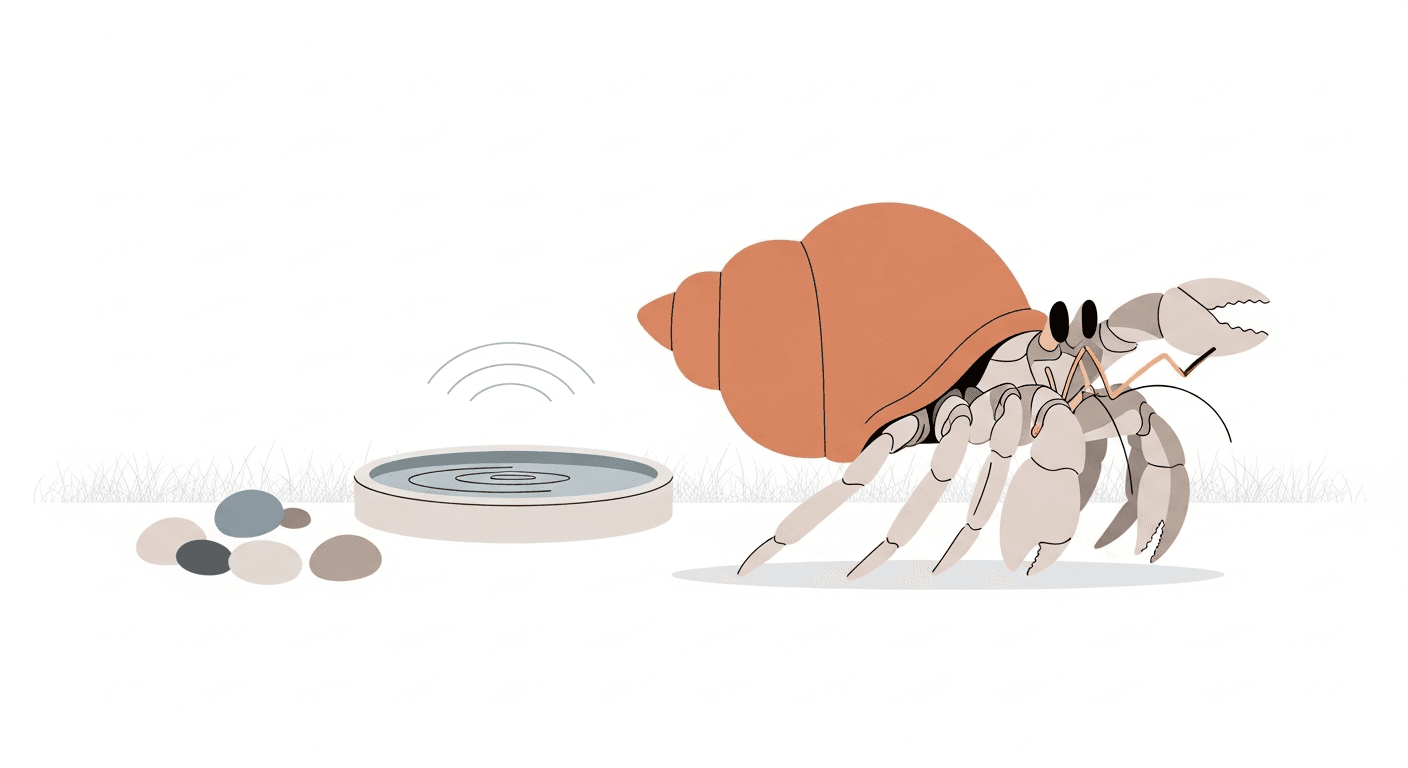
Hermit Crabs: Misunderstood and Mistreated
Land hermit crabs are among the most mistreated pets in the hobby — not from cruelty, but from ignorance. They are sold as "starter pets" or "easy pets" and placed in tiny plastic tanks with painted shells, sand substrate, and a single water dish. In these conditions, they die within months. In proper conditions, land hermit crabs live 20–30 years, are social and active, and are genuinely fascinating animals with individual personalities.
The hermit crab keeping community has developed detailed care standards based on species-appropriate husbandry. This guide distills those standards.
Housing: The "Crabitat"
The single biggest improvement most hermit crab keepers can make is upgrading the tank size and substrate depth:
- Tank size: Minimum 10 gallons for 2–3 small crabs (under 1 inch claw width). Scale up significantly for larger crabs — a single medium crab does best in a 29+ gallon setup.
- Substrate: 6 inches minimum of "crabitat mix" — 5 parts play sand to 1 part coconut fiber, moistened to the consistency of a sandcastle (holds a tunnel but doesn't drip). Hermit crabs molt underground — without adequate depth, they will die during the molt.
- Temperature: 72–80°F (22–27°C). Use an under-tank heater or ceramic heat emitter.
- Humidity: 70–80% relative humidity. This is critical — hermit crabs breathe through modified gills that must remain moist. A hygrometer is essential. Mist the substrate daily; a fogger can help maintain humidity.
- Climbing: Cholla wood, cork rounds, silk plants, and natural branches to climb on. Hermit crabs are active climbers.
- Lid: A tight-fitting lid (glass or screen) to retain humidity.
Water
- Two water dishes, deep enough for the largest crab to submerge: one freshwater (dechlorinated), one marine salt water (Ocean reef salt mixed to specific gravity 1.022–1.025). Never use table salt or aquarium salt.
- Water must be dechlorinated — chlorine and chloramines damage their gill tissue. Use Seachem Prime or let tap water sit 24 hours.
Diet: Far More Than Crackers
- Hermit crabs are omnivorous scavengers. Offer a wide variety: dried mango, coconut, dried shrimp, dried fish, bee pollen, oak leaves, cuttlebone, eggshell, plain cooked chicken, apple, grape, berries, squash
- Commercial hermit crab food contains harmful preservatives — avoid
- Calcium and trace minerals are essential — provide cuttlebone, crushed eggshell, and varied diet
- Rotate food variety daily — offer small amounts of multiple items
Molting: The Critical Phase
Hermit crabs molt (shed their exoskeleton) underground. They may bury themselves for weeks to months. Do not disturb a buried crab — this is the phase when they are most vulnerable. Ensure another crab cannot dig up and disturb a molting crab — use a plastic container buried to the surface level in the substrate to isolate molting individuals. After emerging, the crab needs extra calcium and protein to harden the new exoskeleton.
Log molting events, crab weights, and humidity readings in the TailRounds Daily Log. Use TailRounds AI Triage for health guidance. Find an exotic-experienced vet via the clinic finder or book a consultation.
Continue Reading
 🐇 Small Pets
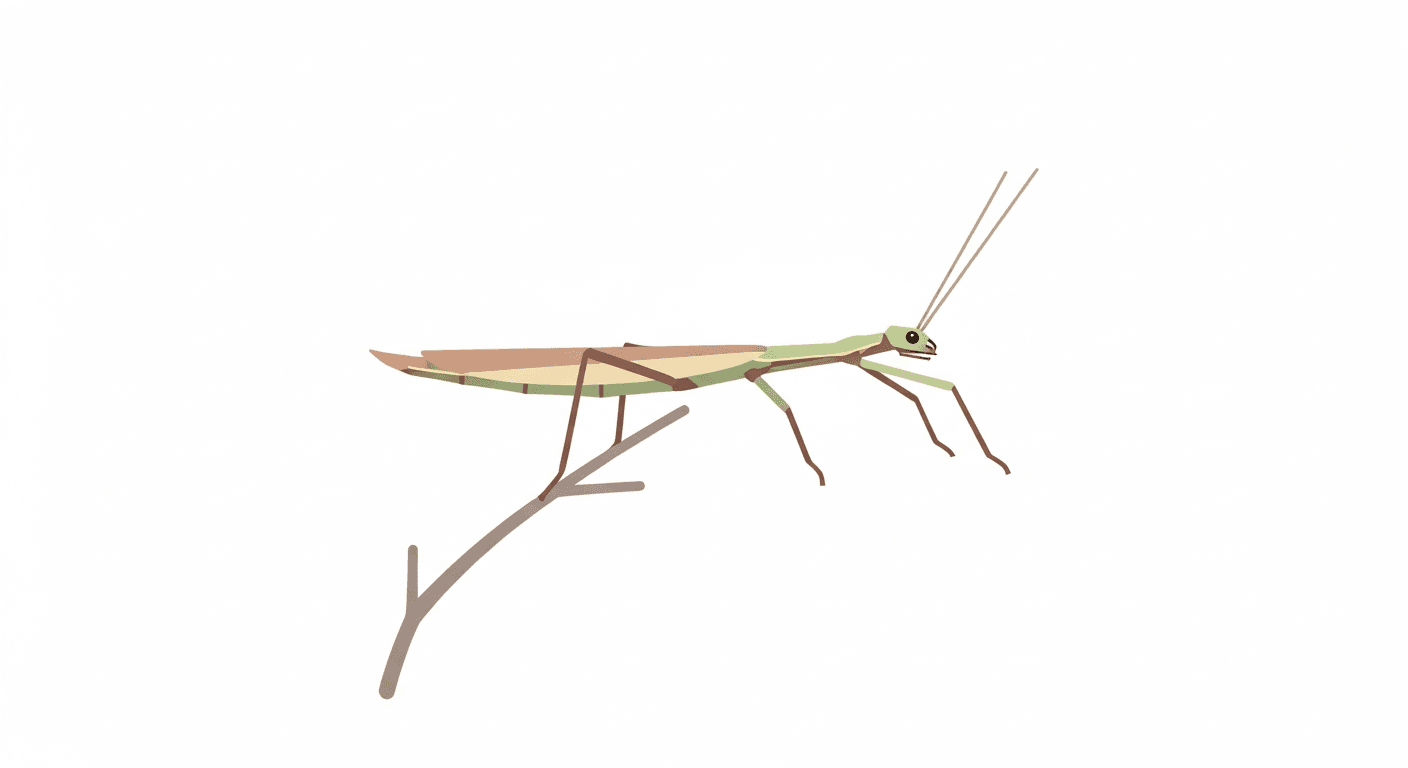
Stick Insect Care: Beginner's Guide to Keeping Walking Sticks
How to set up a stick insect enclosure, feed them properly, handle them safely, and what to do with the eggs — a complete guide for beginner stick insect keepers.
 🐇 Small Pets
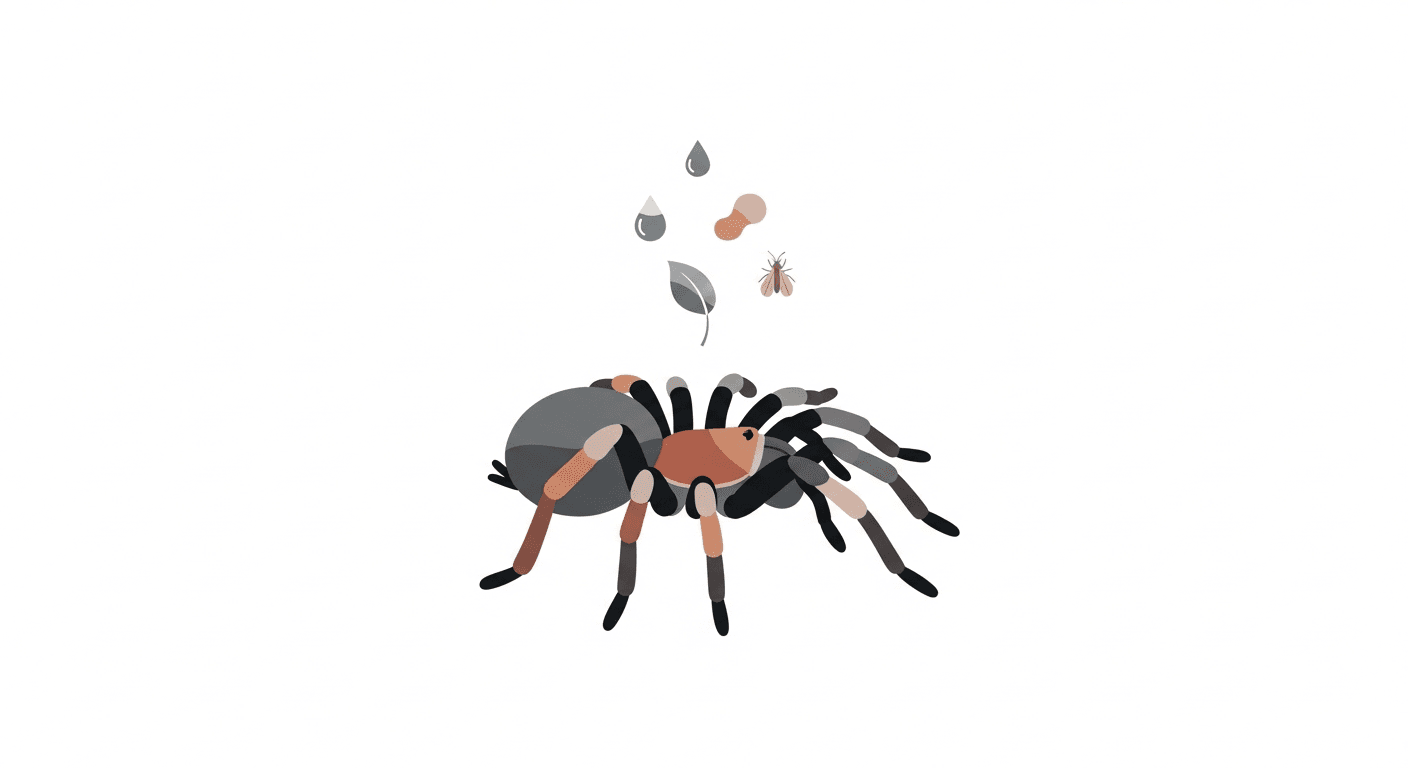
Pet Tarantula Care Guide: Setup, Feeding, and Handling
A beginner-friendly guide to keeping a pet tarantula — enclosure requirements, feeding live insects, humidity and temperature needs, and molting explained.
 🐇 Small Pets
When Does a Small Pet Need a Vet? Signs You Shouldn't Ignore
How to know when a small animal — bird, rodent, reptile, fish, or invertebrate — needs veterinary care, and how to find an exotic-experienced vet near you.
 🐇 Small Pets
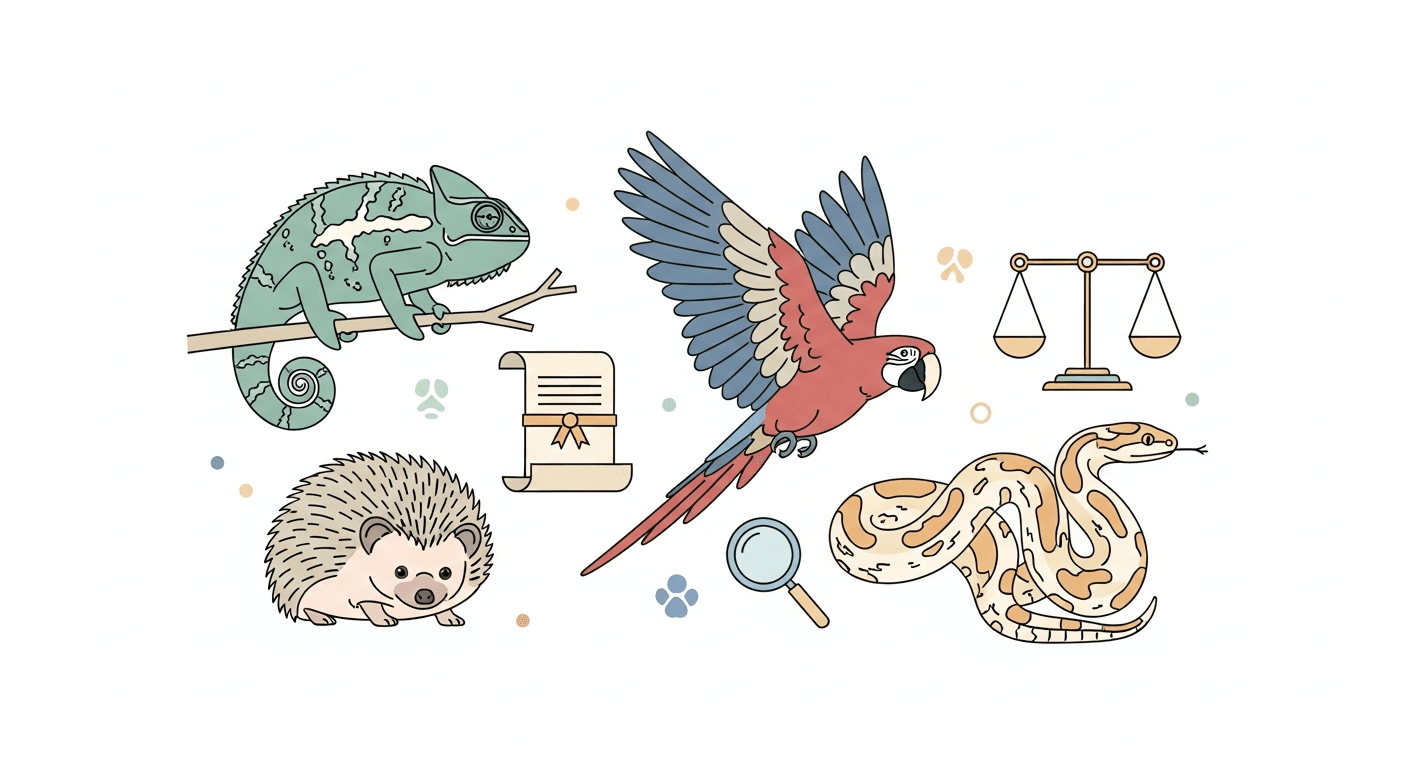
Exotic Pet Ownership Laws: What's Legal and What Isn't
An overview of exotic pet laws in the US, UK, EU, and Australia — which animals require permits, which are banned outright, and how to stay legally compliant.