

The Challenge of Small Pet Illness
Small pets present a unique challenge in healthcare: they are prey animals that hide illness instinctively, they have limited body reserves so deteriorate rapidly when sick, they require vets with specialized exotic animal training, and many owners underestimate their need for professional medical care. The result is that small pets often receive veterinary attention far later than dogs or cats would in the same situation — and by then, the window for effective treatment has often passed.
This guide helps you recognize when your small pet needs veterinary care and how to act quickly.
Universal "See a Vet Now" Signs for Any Small Pet
Regardless of species, these signs always warrant immediate veterinary attention:
- Labored or open-mouth breathing — any small animal breathing with visible effort is in respiratory distress
- Complete food refusal for more than 24–48 hours — small animals have fast metabolisms and cannot fast safely for long (some species like rabbits and guinea pigs can develop GI stasis and die within 24 hours of not eating)
- Seizures, tremors, or loss of coordination
- Complete inactivity or sitting hunched on the cage floor — a bird on the floor of the cage is always an emergency
- Blood from any source — bloody urine, bloody droppings, bloody discharge
- Rapid, unexplained weight loss — weigh your pets weekly; a 10% body weight loss is significant
- Eyes swollen shut, with discharge, or sunken
- Unable to move normally — paralysis, extreme weakness, inability to right itself
Species-Specific Red Flags
Birds
- Sitting at the bottom of the cage (not just resting — acting sick)
- Tail bobbing with each breath
- Nasal or eye discharge
- Feathers fluffed up persistently (sick birds fluff to conserve heat)
- Droppings that are very watery, discolored, or absent urates (white part)
Rodents (Rats, Mice, Gerbils, Hamsters)
- Clicking or wheezing sounds when breathing (classic respiratory infection)
- Any lump or mass — often tumors, which are common and often operable if caught early
- Wet tail (hamsters) — a specific bacterial infection causing diarrhea and rapid death
- Hind limb weakness or dragging
Rabbits and Guinea Pigs
- Not eating or drinking for 12+ hours — GI stasis is a medical emergency
- Absence of droppings for more than 6–8 hours
- Teeth grinding (bruxism) — a sign of pain
- Head tilt — vestibular disease or inner ear infection
Reptiles
- Not eating for more than 2–4 weeks (species-dependent; some snakes fast seasonally — know your species)
- Retained shed (dysecdysis) — especially around eyes and toes
- Wheezing, mucus from mouth or nostrils — respiratory infection
- Open-mouth breathing or gaping
Finding an Exotic Vet
Not all veterinarians are trained in exotic animal medicine. Ask specifically whether the practice sees your species — a vet who sees birds is not necessarily qualified to treat reptiles or rabbits. Look for board-certified Exotic Animal specialists or vets who list exotic animals as a specialty area.
Use the TailRounds clinic finder to locate exotic-experienced vets near you. Book a wellness visit before you have an emergency — establish care with an exotic vet before you need one urgently. Use TailRounds AI Triage to assess urgency and track your pet's daily health in the TailRounds Daily Log.
Continue Reading
 🐇 Small Pets
Budgerigar (Budgie) Care: The Complete Owner's Guide
Everything you need to know to keep a budgie healthy — diet, cage setup, social needs, common illnesses, and when to see an avian vet.
 🐇 Small Pets
Ferret Care Guide: Everything First-Time Ferret Owners Need to Know
How to care for a ferret — housing, diet, health care, handling, and the common diseases that every ferret owner should know about.
 🐇 Small Pets
Exotic Pet Ownership Laws: What's Legal and What Isn't
An overview of exotic pet laws in the US, UK, EU, and Australia — which animals require permits, which are banned outright, and how to stay legally compliant.
 🐇 Small Pets
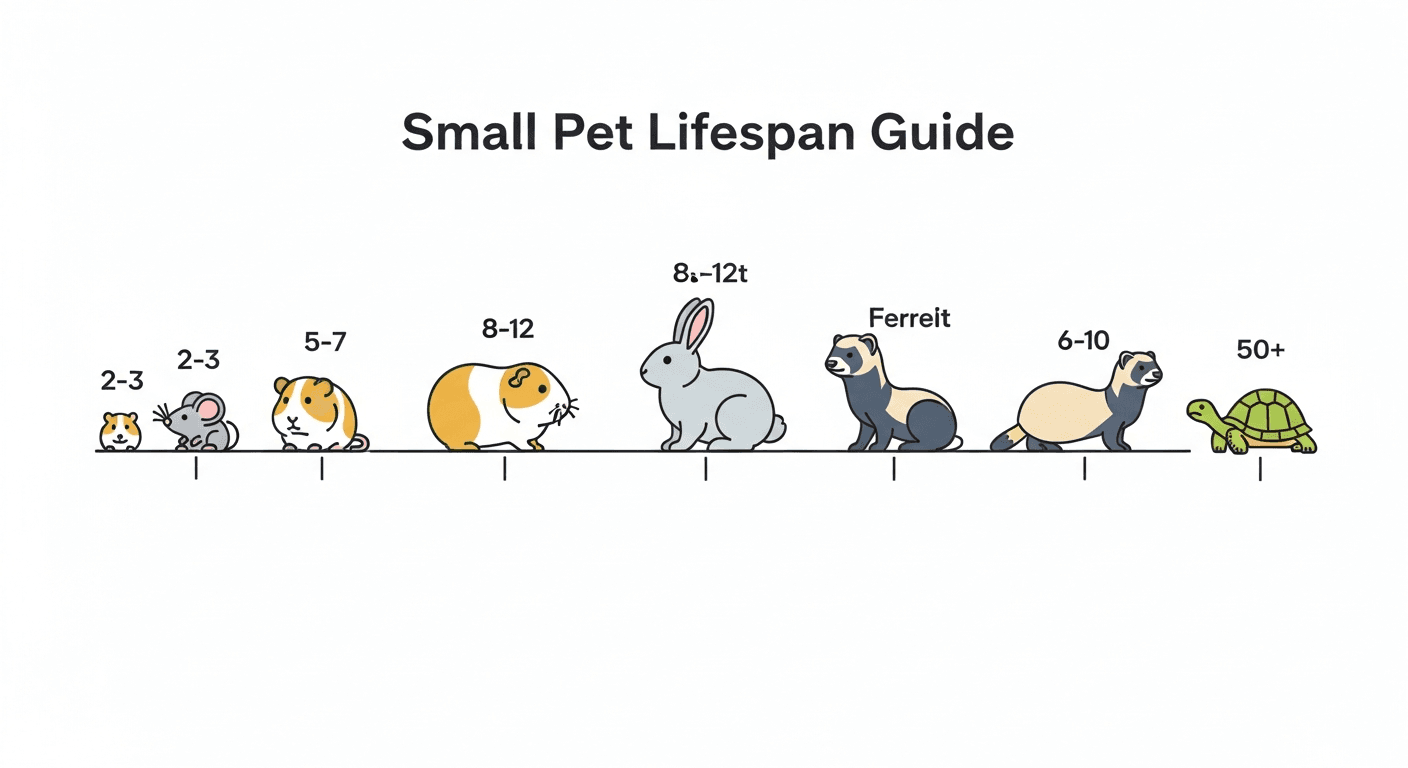
Small Pet Lifespans: What to Expect and How to Plan for It
A realistic guide to the lifespan of popular small pets — from hamsters to tortoises — and how to provide the best care at each life stage.