
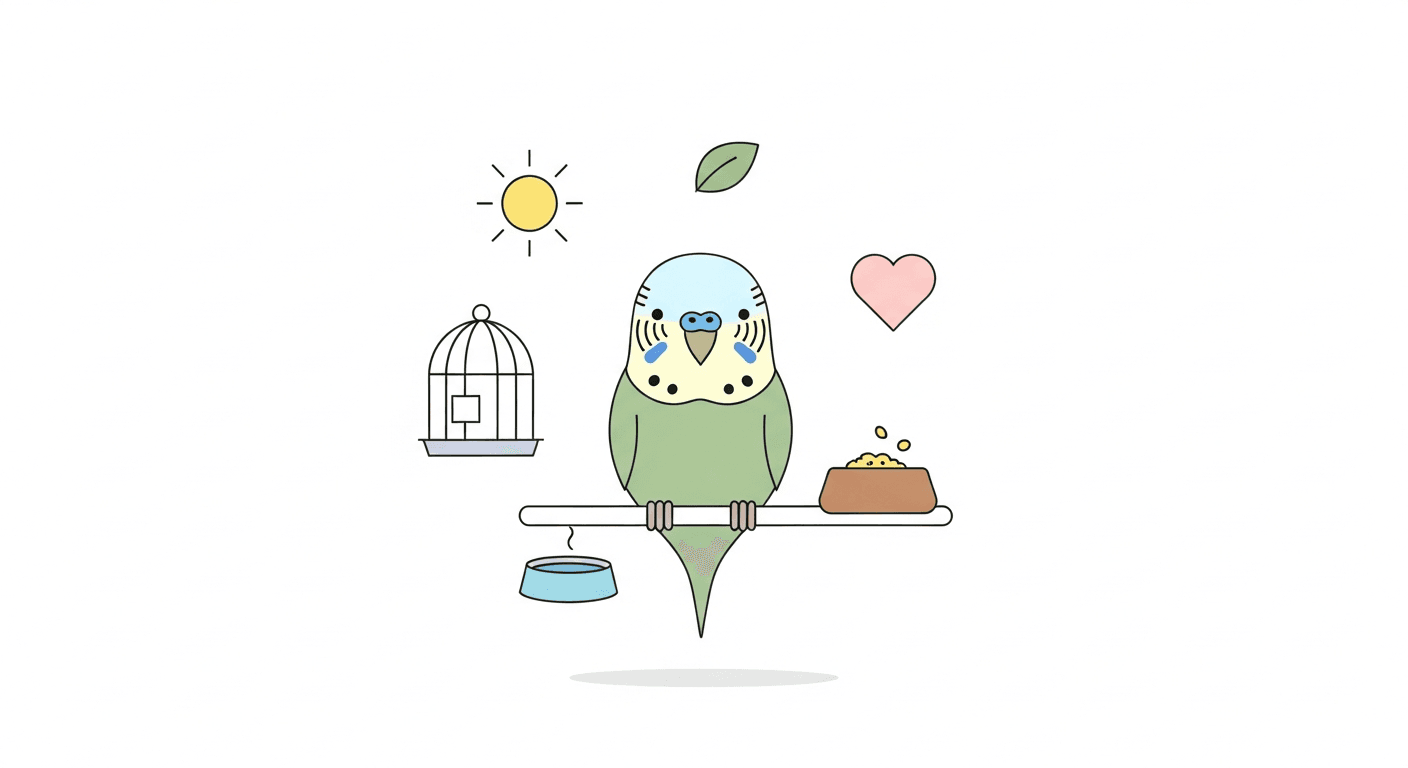
Why Budgies Make Wonderful Pets
Budgerigars — or budgies — are the world's most popular pet bird for good reason. Originally from Australia, these small parrots are intelligent, social, relatively hardy, and can develop impressive vocabularies. A well-kept budgie can live 8–12 years, and some reach 15 years or more. They form strong bonds with their owners, enjoy interactive play, and thrive in environments where they receive daily attention and mental stimulation.
That said, budgies are not zero-maintenance pets. They require a proper diet, a large enough cage, daily out-of-cage time, social interaction, and regular health monitoring. This guide covers everything you need to provide optimal care.
Housing: Cage Size and Setup
The most common mistake budgie owners make is buying a cage that is too small. The minimum recommended cage for a single budgie is 18 inches wide × 18 inches deep × 24 inches tall — and bigger is always better. Budgies are horizontal flyers, so cage width is more important than height. Avoid round cages and cages with wire spacing wider than 0.5 inches.
- Bar spacing: Maximum 0.5 inches (12mm) to prevent head entrapment
- Perches: Provide at least 3 perches of varying thickness and material — wooden, rope, and natural branch perches support foot health better than identical plastic perches
- Toys: Rotate 4–6 toys regularly — foraging toys, swings, mirrors, and chewable items. Budgies need mental stimulation to prevent boredom and feather plucking.
- Location: Place the cage in a socially active room but away from kitchens (cooking fumes, especially non-stick pans, are deadly to birds), drafts, and direct sustained sun exposure
- Two budgies are almost always happier than one: Budgies are flock animals and lone birds can develop behavioral problems. If you cannot commit to many hours of daily interaction, get a pair.
Diet: What Budgies Actually Need
The biggest nutritional mistake is feeding an all-seed diet. Seeds are high in fat and deficient in many vitamins and minerals. A balanced budgie diet should consist of:
- Pellets (40–50% of diet): High-quality small bird pellets form the nutritional backbone. If your budgie has only ever had seeds, transition to pellets gradually over several weeks.
- Fresh vegetables (30–40%): Dark leafy greens (kale, spinach, romaine), carrots, broccoli, cucumber, bell peppers. Offer daily.
- Seeds (10–20%): A quality small parrot seed mix as a supplement and treat, not the primary diet. Millet spray is a favorite treat.
- Fresh water: Changed daily. Budgies drink frequently, especially when eating dry foods.
- Foods to avoid: Avocado (toxic), chocolate, onion, garlic, fruit seeds/pits, caffeine, alcohol, and any food high in salt or sugar.
Health: Signs of a Sick Budgie
Budgies instinctively hide illness — a wild bird that shows weakness is a target for predators. By the time your budgie looks sick, they may have been unwell for days. Learn to spot subtle early signs:
- Fluffed feathers while sitting on the bottom of the cage — a classic sick bird posture
- Tail bobbing with each breath — indicates respiratory effort
- Discharge from the nostrils or eyes
- Changes in droppings: watery, discolored, or absent urates (white portion)
- Sleeping much more than usual, or sleeping with head tucked during the day
- Loss of interest in food, toys, or interaction
- Voice changes — going quiet when usually vocal
Log daily observations in the TailRounds Daily Log so you catch trends early. Use TailRounds AI Triage if you're unsure whether a symptom warrants urgent attention.
Find an Avian Vet and Book a Checkup
Not all veterinarians are experienced with birds. Look specifically for an avian vet or a vet with exotic animal experience. A healthy budgie should have at least one annual wellness examination. Find an avian-experienced clinic via the TailRounds clinic finder or book an appointment with your nearest exotic-friendly practice. Early detection of problems like tumors (extremely common in budgies), respiratory infections, and liver disease dramatically improves outcomes.
Continue Reading
 🐇 Small Pets
Cockatiel Care Guide: Housing, Diet, Health, and Bonding
A comprehensive guide to keeping cockatiels as pets — what they eat, how much space they need, common health issues, and tips for taming and bonding.
 🐇 Small Pets
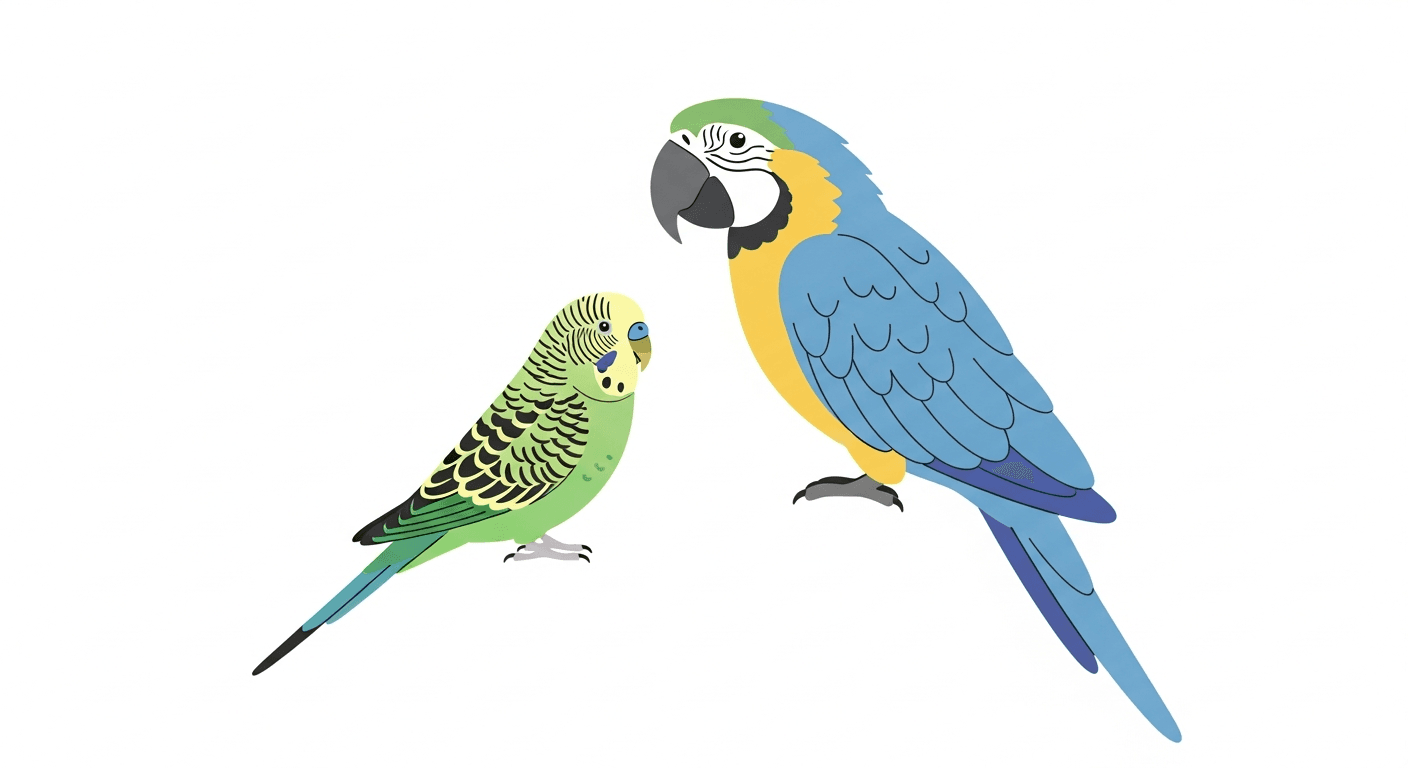
Parakeet vs Parrot: Which Bird Is Right for You?
A practical comparison of parakeets and larger parrots to help you choose the right bird companion — covering size, noise, lifespan, cost, and time commitment.
 🐇 Small Pets
When Does a Small Pet Need a Vet? Signs You Shouldn't Ignore
How to know when a small animal — bird, rodent, reptile, fish, or invertebrate — needs veterinary care, and how to find an exotic-experienced vet near you.
 🐇 Small Pets
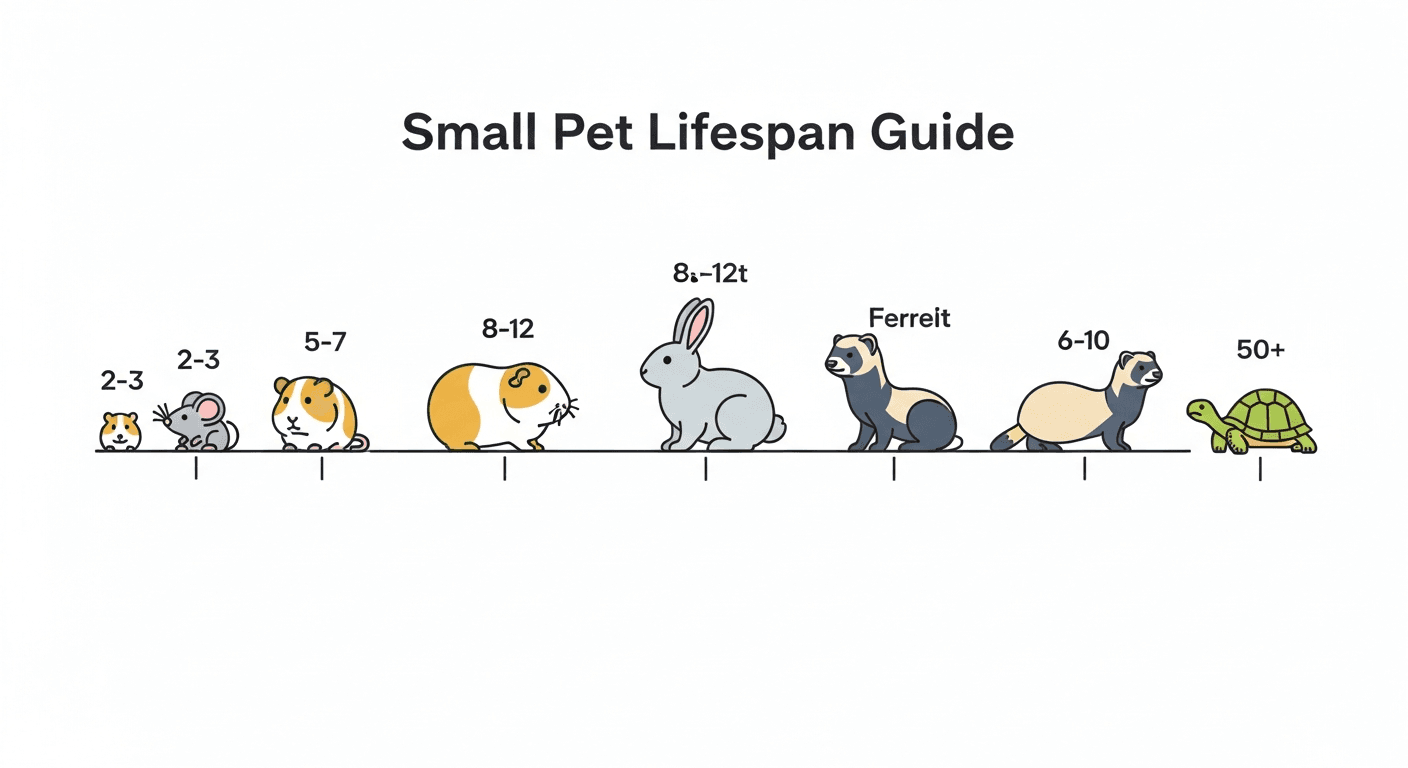
Small Pet Lifespans: What to Expect and How to Plan for It
A realistic guide to the lifespan of popular small pets — from hamsters to tortoises — and how to provide the best care at each life stage.