
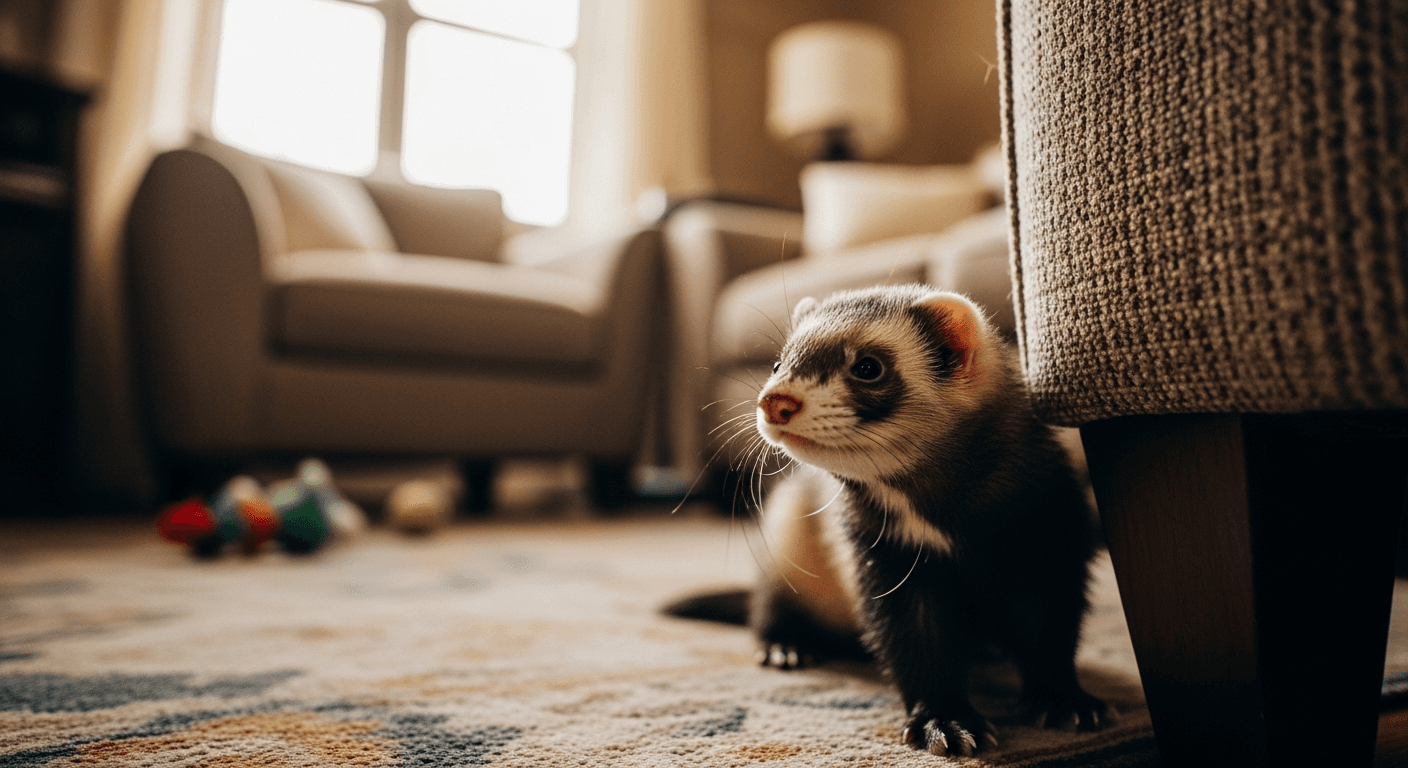
Ferrets: Mischievous, Intelligent, and Demanding
Ferrets are domesticated musteline carnivores that have been kept as working animals and pets for over 2,500 years. They are playful, curious, highly intelligent, and bond deeply with their owners — but they are high-maintenance pets with specific dietary needs, significant space requirements, and a health profile that makes veterinary knowledge essential. Ferrets are legally restricted or banned in some jurisdictions (Hawaii and California in the US, for example), so always check local exotic pet laws before acquiring one.
With proper care, ferrets live 6–10 years. However, they are prone to several serious health conditions that appear with age, making preventive care and early detection critical.
Housing and Environment
Ferrets need multi-level wire cages with closely spaced bars (no more than 1 inch spacing) to prevent escapes. Minimum cage size for a pair: 3 feet wide × 2 feet deep × 2 feet tall. However, cage size is less important than out-of-cage time — ferrets should have a minimum of 4 hours of supervised free-roaming play time daily.
- Hammocks and sleep pods: Ferrets sleep 14–18 hours per day and need soft, enclosed sleeping areas. Hammocks, fleece tubes, and sleep sacks are favorites.
- Litter box: Ferrets can be litter trained. Use a large corner litter box with low entry and paper-based or pelleted litter — avoid clay or clumping cat litter (respiratory hazard).
- Temperature: Keep below 80°F (27°C) — ferrets are highly susceptible to heat stress above this temperature. Air conditioning is essential in summer.
- Ferret-proof the roaming space: Ferrets investigate every opening and will chew rubber, foam, and soft plastics (a frequent cause of intestinal obstruction). Remove electrical cords, rubber items, and access to appliance gaps before free-roaming.
Diet: Obligate Carnivores
Ferrets are strict carnivores — they cannot digest carbohydrates or plant material. Their diet should be high in animal protein and fat, with minimal to no carbohydrates.
- High-quality ferret kibble or cat food: Look for at least 35% protein from animal (not plant) sources, 20%+ fat, and less than 3% carbohydrates. Avoid ferret foods with corn, wheat, soy, or peas as major ingredients.
- Raw diet (whole prey or raw meat): Many experienced ferret owners feed a raw diet of chicken, turkey, rabbit, and organ meats. Consult a vet experienced in ferret nutrition before switching.
- Foods to avoid absolutely: Fruit, vegetables, grains, dairy, sweets, and anything high in sugar — ferret pancreatic function is fragile and sugar exposure is linked to insulinoma (pancreatic tumors).
- Feeding frequency: Ferrets have fast metabolisms and need food available at all times (free feeding). They typically eat 8–10 small meals throughout the day.
Common Ferret Diseases (Know These Before You Get One)
- Insulinoma: Pancreatic tumors producing excess insulin — causes low blood sugar, wobbling, weakness, drooling, and seizures. Extremely common in ferrets over 3 years. Medical management is possible; surgery can extend life significantly.
- Adrenal disease: Tumors of the adrenal gland causing hair loss (especially on the tail and flanks), enlarged vulva in females, or straining to urinate in males. Very common in North American ferrets. Treatable with surgery or hormone implants.
- Lymphoma: Cancer of the lymphatic system — one of the most common ferret cancers. Signs include weight loss, lethargy, enlarged lymph nodes, and difficulty breathing.
- Aleutian Disease Virus (ADV): A parvovirus causing wasting, hind limb weakness, tarry stools. No cure — management only.
- Influenza: Ferrets catch human flu strains and can transmit flu to humans. Keep sick humans away from ferrets and vice versa.
Ferrets should have bi-annual veterinary checkups once over 3 years of age, given how quickly health issues develop. Track behavior and food intake daily in the TailRounds Daily Log. Use TailRounds AI Triage for symptom assessment. Book a vet visit or find an exotic animal vet near you today.
Continue Reading
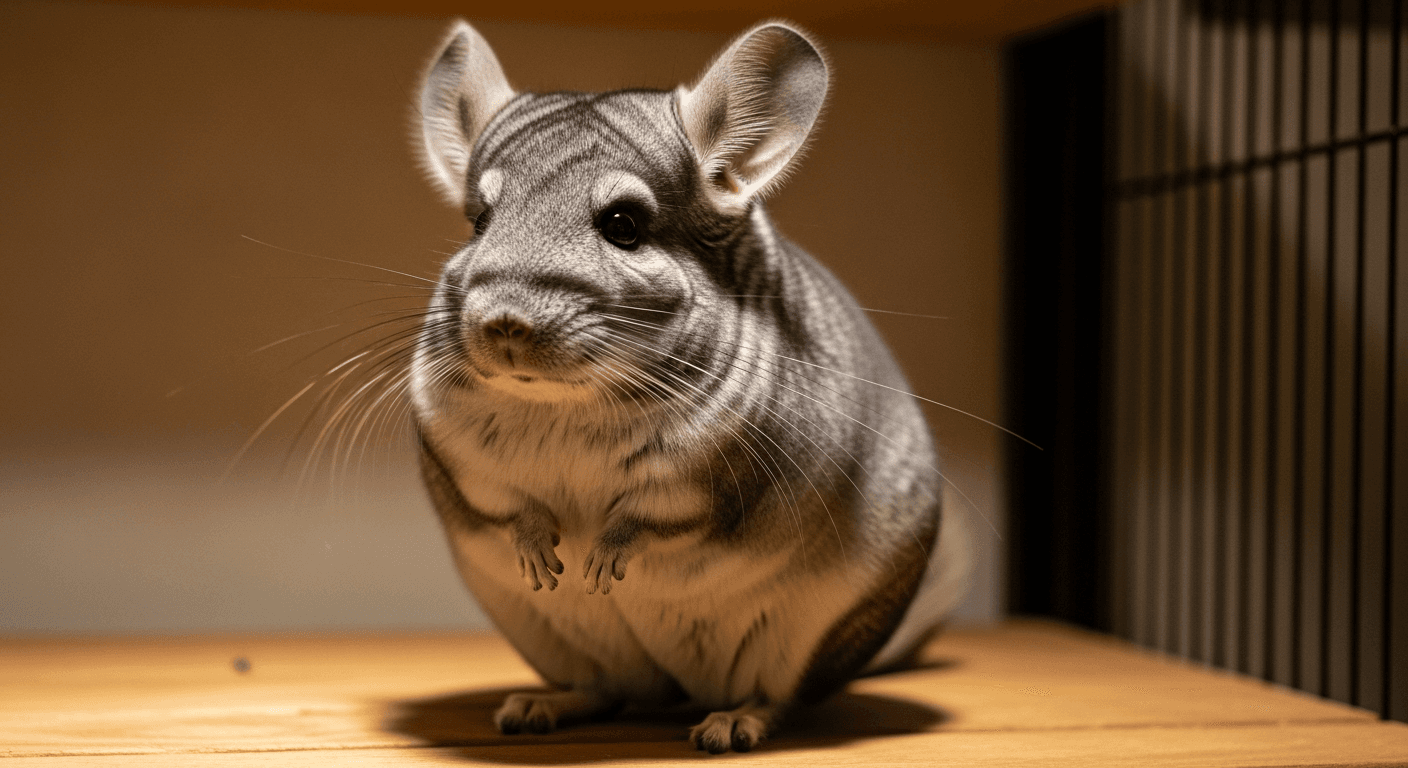 🐇 Small Pets
Chinchilla Care: Housing, Diet, Dust Baths, and Health
A complete care guide for chinchillas — the right temperature, diet, exercise, dust bath routine, and how to spot illness in these delicate but charming pets.
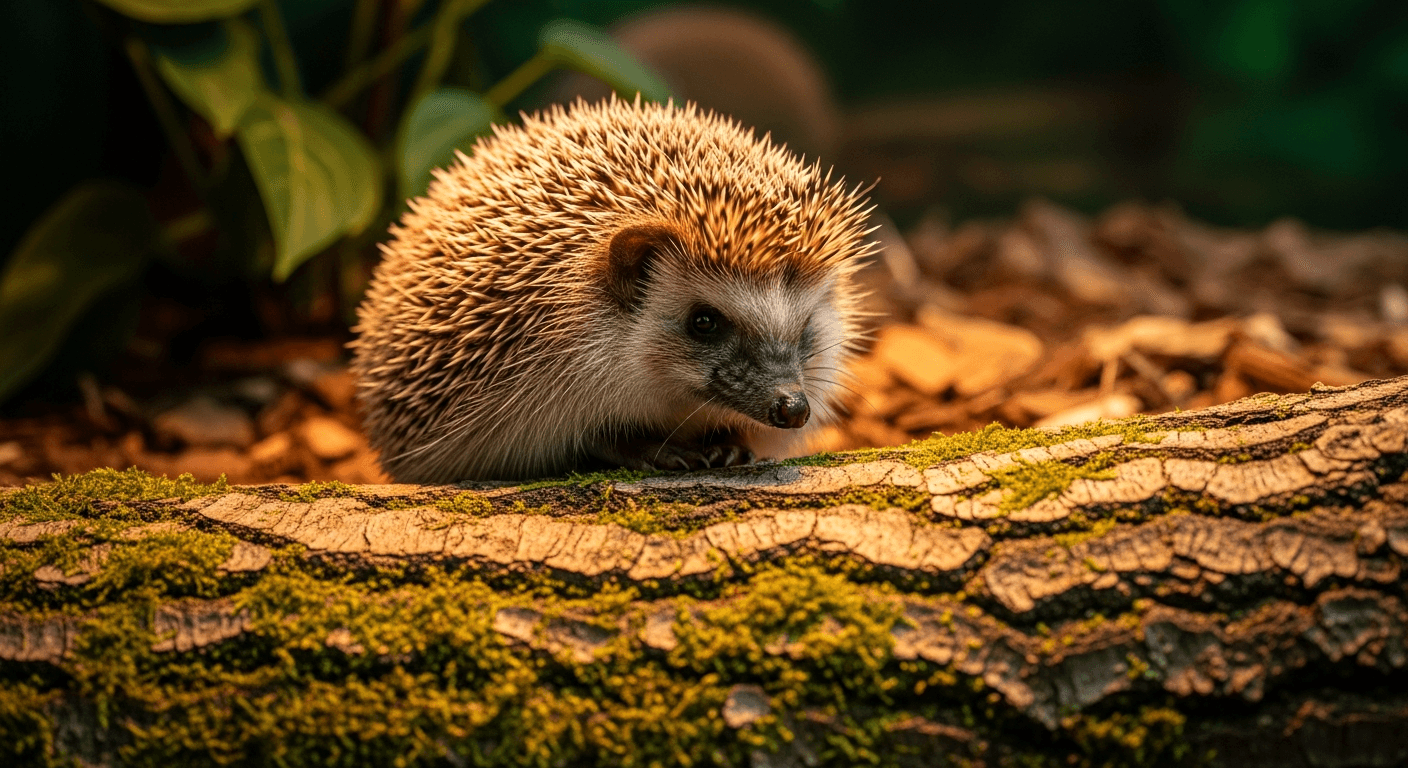 🐇 Small Pets
Hedgehog Care Guide: What Every Hedgehog Owner Needs to Know
A complete hedgehog care guide covering housing, diet, wheel exercise, handling, hibernation risks, and common health problems in African pygmy hedgehogs.
 🐇 Small Pets
When Does a Small Pet Need a Vet? Signs You Shouldn't Ignore
How to know when a small animal — bird, rodent, reptile, fish, or invertebrate — needs veterinary care, and how to find an exotic-experienced vet near you.
 🐇 Small Pets
Exotic Pet Ownership Laws: What's Legal and What Isn't
An overview of exotic pet laws in the US, UK, EU, and Australia — which animals require permits, which are banned outright, and how to stay legally compliant.