
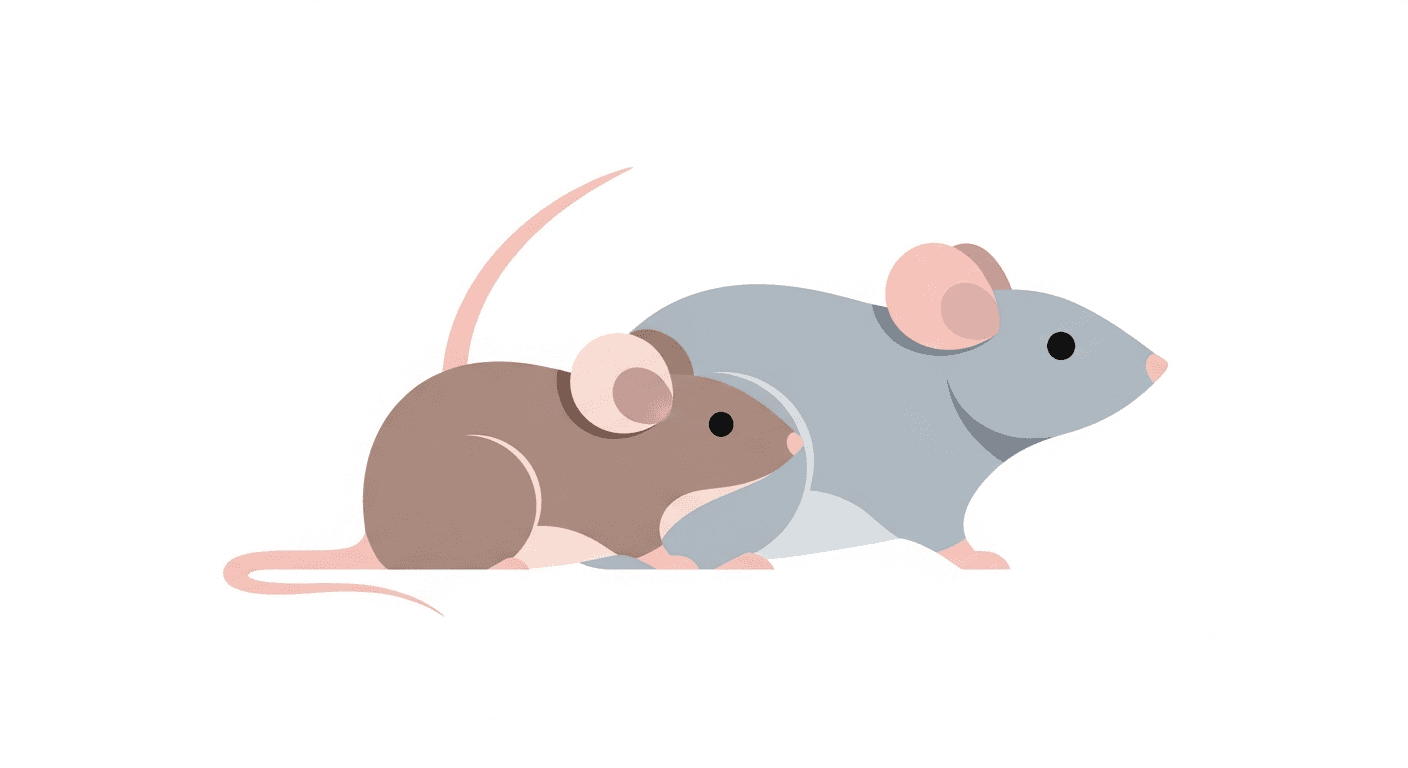
Rats vs. Mice: Similar but Different
Rats and mice are both popular small pet rodents, but they are quite different in personality, needs, and health profiles. Rats (Rattus norvegicus — the fancy rat) are larger, more intelligent, more social, and far more interactive with humans. Many rat owners describe them as the "dog of the rodent world" — they can learn tricks, recognize their owners, and form deep bonds. Mice are smaller, faster, more skittish with handling, but fascinating to watch and easier to house in groups.
Rats live 2–3 years; mice 1.5–2 years. Both deserve proper care despite their short lifespans.
Rats: Housing, Diet, and Health
Housing for Rats
- Minimum cage for 2 rats: 2.5 feet wide × 2 feet deep × 3 feet tall. Wire cage with 0.5-inch bar spacing. Multi-level cages preferred — rats love climbing.
- Always keep in groups of 2 or more: Lone rats develop depression, immune suppression, and die earlier. Same-sex pairs or groups are standard.
- Soft paper bedding (Carefresh), fleece liners, or paper pellets. No cedar or aromatic pine (respiratory irritant).
- Multiple hammocks, ropes, platforms, and hiding boxes. Rats are active and curious — environmental enrichment is essential.
- Out-of-cage free-roaming time of 1–2 hours daily in a rat-proofed space.
Rat Diet
- High-quality rat block (Oxbow Essentials Adult Rat Food) as the dietary base
- Fresh vegetables daily: broccoli, peas, sweet potato, leafy greens, cucumber
- Small amounts of cooked lean meat, egg, and plain grain (oats, brown rice) for variety
- Avoid high-fat, high-sugar foods; citrus fruit (linked to kidney disease in male rats); carbonated drinks; and raw sweet potato
Common Rat Health Issues
- Respiratory disease (mycoplasmosis): Virtually all rats carry Mycoplasma pulmonis. Stress, poor ventilation, and age trigger clinical disease. Signs: clicking when breathing, labored breathing, weight loss. Managed with antibiotics and doxycycline.
- Mammary tumors: Extremely common in female rats — up to 85% develop them. Many are benign and surgically removable. Spaying significantly reduces risk.
- Hind limb degeneration (HLD): Progressive loss of hind limb function in aged rats. No cure; supportive care.
- Pituitary tumors: Common cause of death in older females — signs include sudden head tilt, loss of balance, and rapid decline.
Mice: Housing, Diet, and Health
- Minimum cage: 10-gallon tank or equivalent bin cage for 3–4 female mice. Males must be housed alone (they fight to the death in groups).
- Deep substrate (4–6 inches) for burrowing.
- Seed mix plus pellets for diet; fresh vegetables in small amounts; high-protein treats (mealworms) 2–3 times per week.
- Solid-surface wheel of at least 8 inches diameter.
- Common health issues: respiratory infections, skin mites (causing excessive scratching and fur loss), and mammary tumors in females.
Weigh your rats or mice weekly (weight loss is often the first sign of illness) and log in the TailRounds Daily Log. Use TailRounds AI Triage for symptom assessment. Book a vet visit or find an exotic-experienced vet at the clinic finder.
Continue Reading
 🐇 Small Pets
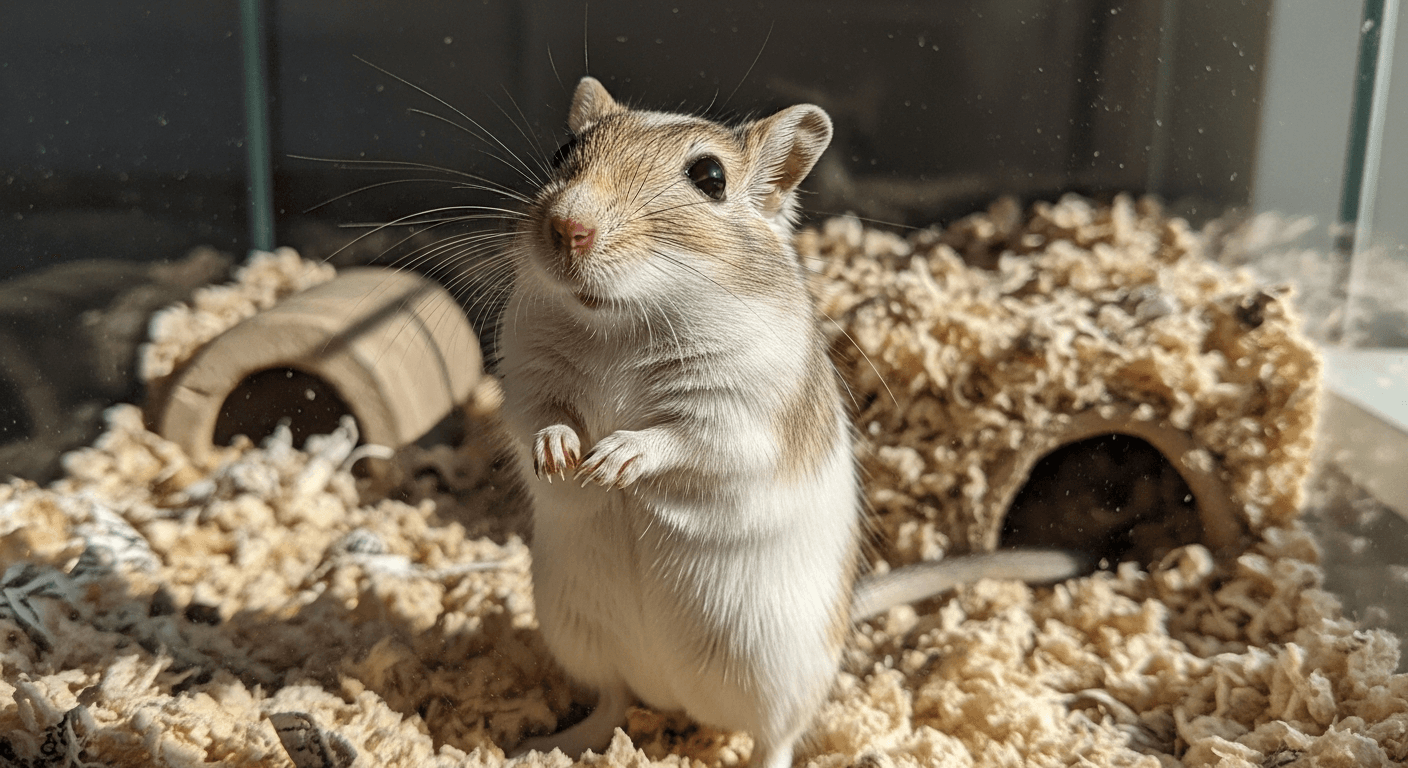
Gerbil Care and Health: A Practical Owner's Guide
How to care for pet gerbils — appropriate housing (including deep burrowing substrate), diet, social needs, and the most common health issues in Mongolian gerbils.
 🐇 Small Pets
When Does a Small Pet Need a Vet? Signs You Shouldn't Ignore
How to know when a small animal — bird, rodent, reptile, fish, or invertebrate — needs veterinary care, and how to find an exotic-experienced vet near you.
 🐇 Small Pets
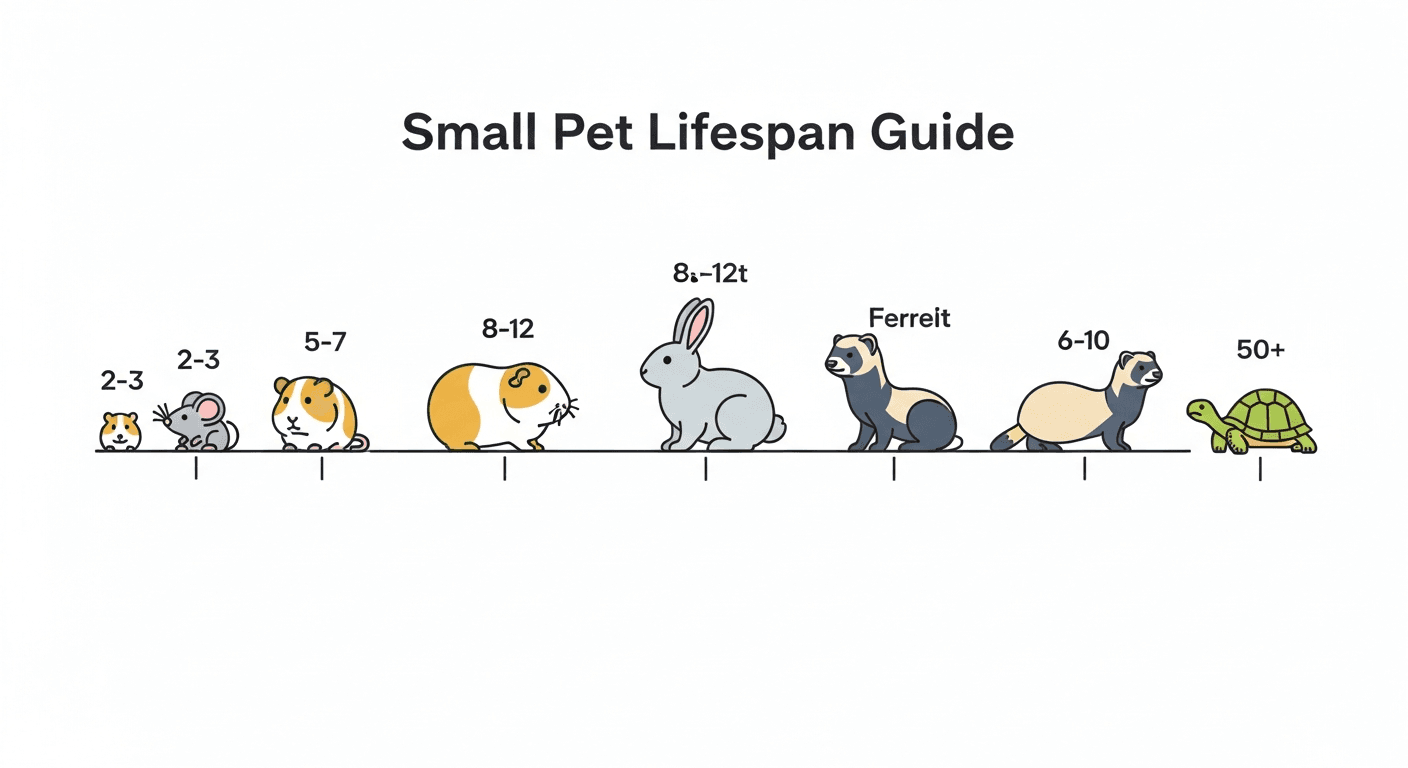
Small Pet Lifespans: What to Expect and How to Plan for It
A realistic guide to the lifespan of popular small pets — from hamsters to tortoises — and how to provide the best care at each life stage.
 🐇 Small Pets
Exotic Pet Ownership Laws: What's Legal and What Isn't
An overview of exotic pet laws in the US, UK, EU, and Australia — which animals require permits, which are banned outright, and how to stay legally compliant.