
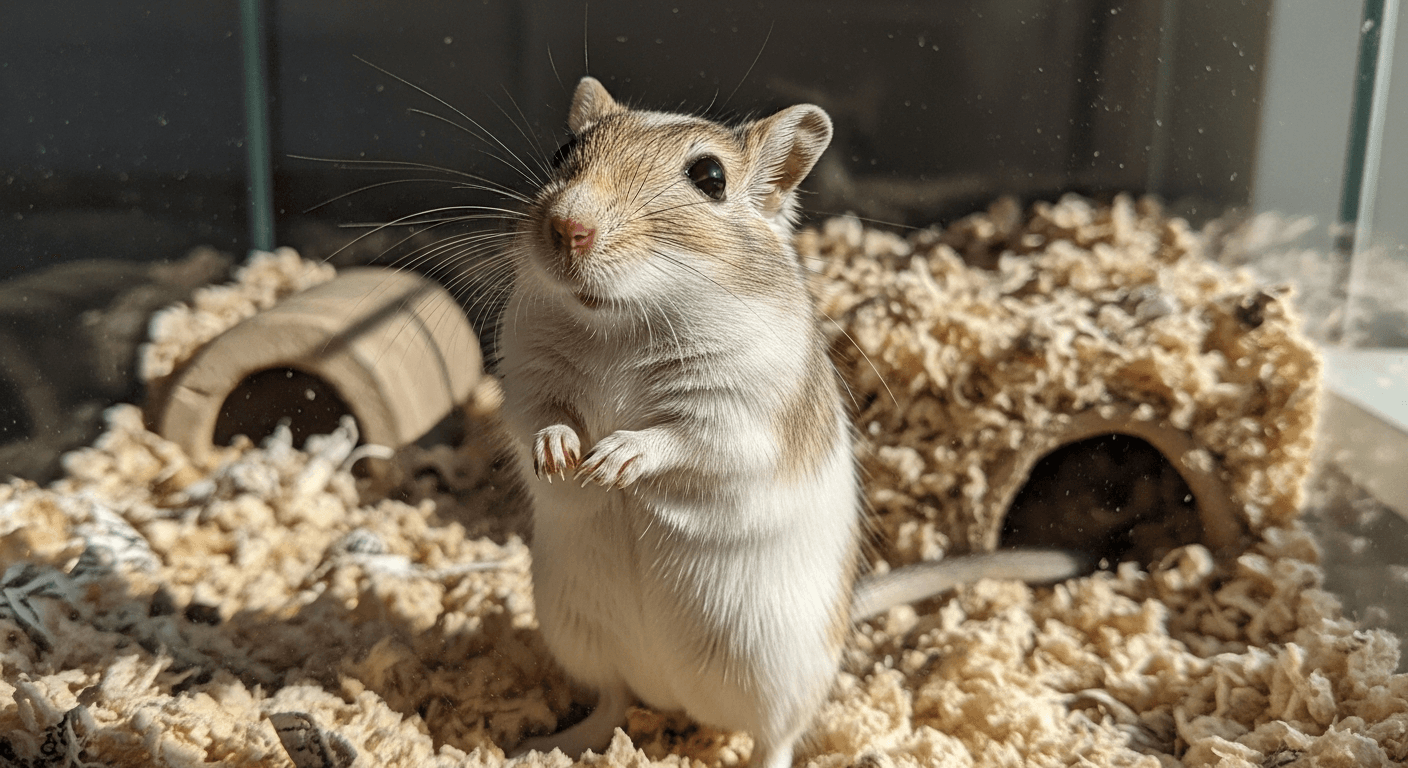
Gerbils: Social, Curious, and Underrated
Mongolian gerbils (Meriones unguiculatus) are among the most entertaining and interactive of the small rodent pets. Unlike hamsters (which are largely solitary and nocturnal), gerbils are social animals that live in family groups in the wild, are active during the day, and are genuinely curious about their human caretakers. With proper care, gerbils live 3–5 years. They are clean, relatively odorless, and produce small amounts of waste — making them an excellent choice for owners who want an engaging small pet with manageable husbandry demands.
Housing: The Importance of Deep Substrate
Gerbils are burrowing animals. Their most important behavioral need — more than toys or floor space — is the ability to dig and construct tunnels. A gerbil kept on 2 inches of bedding will be a stressed, understimulated animal. The correct setup is:
- Tank or bin cage with a deep substrate section: A 10-gallon tank (minimum) half-filled with 8–12 inches of substrate is the minimum. A 20-gallon long tank or large bin cage allows for a proper burrow system.
- Substrate mix: Peat moss, coconut fiber (Eco Earth), and hay mixed together hold burrow tunnels without collapsing. Add some dust-free paper bedding for nesting material.
- Pairs or groups (same-sex): Gerbils must be housed in pairs or groups. A lone gerbil will die prematurely from stress. Pair young gerbils from the same litter for easiest bonding.
- Wheel: A solid-surface wheel 8–10 inches in diameter for exercise.
- Chewing material: Gerbils chew constantly to maintain their teeth. Provide cardboard, pumice stones, hay, and untreated wood chews.
Diet
- Gerbil or hamster mix: High-quality seed and grain mix forms the base diet. Avoid mixes with excessive sunflower seeds (high fat).
- Pellets: Adding gerbil pellets improves nutritional balance.
- Fresh vegetables (small amounts daily): Leafy greens, broccoli, carrot, cucumber. Avoid high-water-content vegetables in large amounts.
- Protein supplements: Small amounts of plain cooked chicken, hard-boiled egg, or mealworms 2–3 times per week.
- Water: Via a sipper bottle — gerbils drink little (adapted to arid environments) but fresh water must always be available.
Common Health Issues
- Tumors: Gerbils are prone to ventral scent gland tumors (a waxy secreting gland on the belly that can develop carcinoma) and internal organ tumors with age.
- Epilepsy: Seizures are relatively common in gerbils and are usually mild and self-limiting. Triggered by stress or handling. Most gerbils grow out of frequent seizures by 6 months.
- Respiratory infections: Signs include clicking sounds when breathing, labored breathing, lethargy. Require antibiotic treatment from an exotic vet.
- Dental malocclusion: Overgrown teeth cause drooling, weight loss, and inability to eat. Requires veterinary treatment.
Weigh your gerbils weekly and log observations in the TailRounds Daily Log. Use TailRounds AI Triage for guidance on symptoms. Book a wellness visit with an exotic-experienced vet or find a clinic near you.
Continue Reading
 🐇 Small Pets
Pet Mouse and Rat Care: The Essential Owner's Guide
How to care for pet mice and rats — housing, diet, social needs, enrichment, and the most common health problems in each species.
 🐇 Small Pets
When Does a Small Pet Need a Vet? Signs You Shouldn't Ignore
How to know when a small animal — bird, rodent, reptile, fish, or invertebrate — needs veterinary care, and how to find an exotic-experienced vet near you.
 🐇 Small Pets
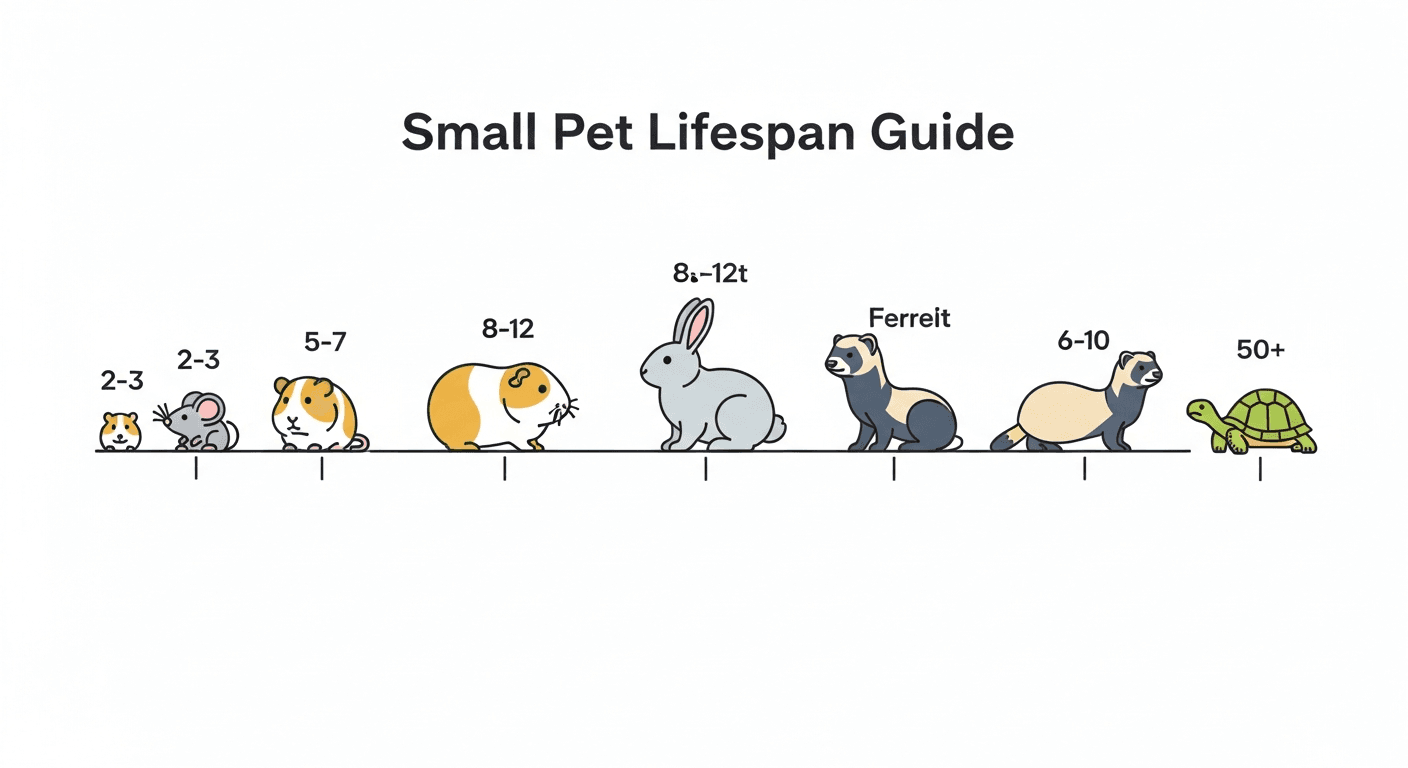
Small Pet Lifespans: What to Expect and How to Plan for It
A realistic guide to the lifespan of popular small pets — from hamsters to tortoises — and how to provide the best care at each life stage.
 🐇 Small Pets
Exotic Pet Ownership Laws: What's Legal and What Isn't
An overview of exotic pet laws in the US, UK, EU, and Australia — which animals require permits, which are banned outright, and how to stay legally compliant.