
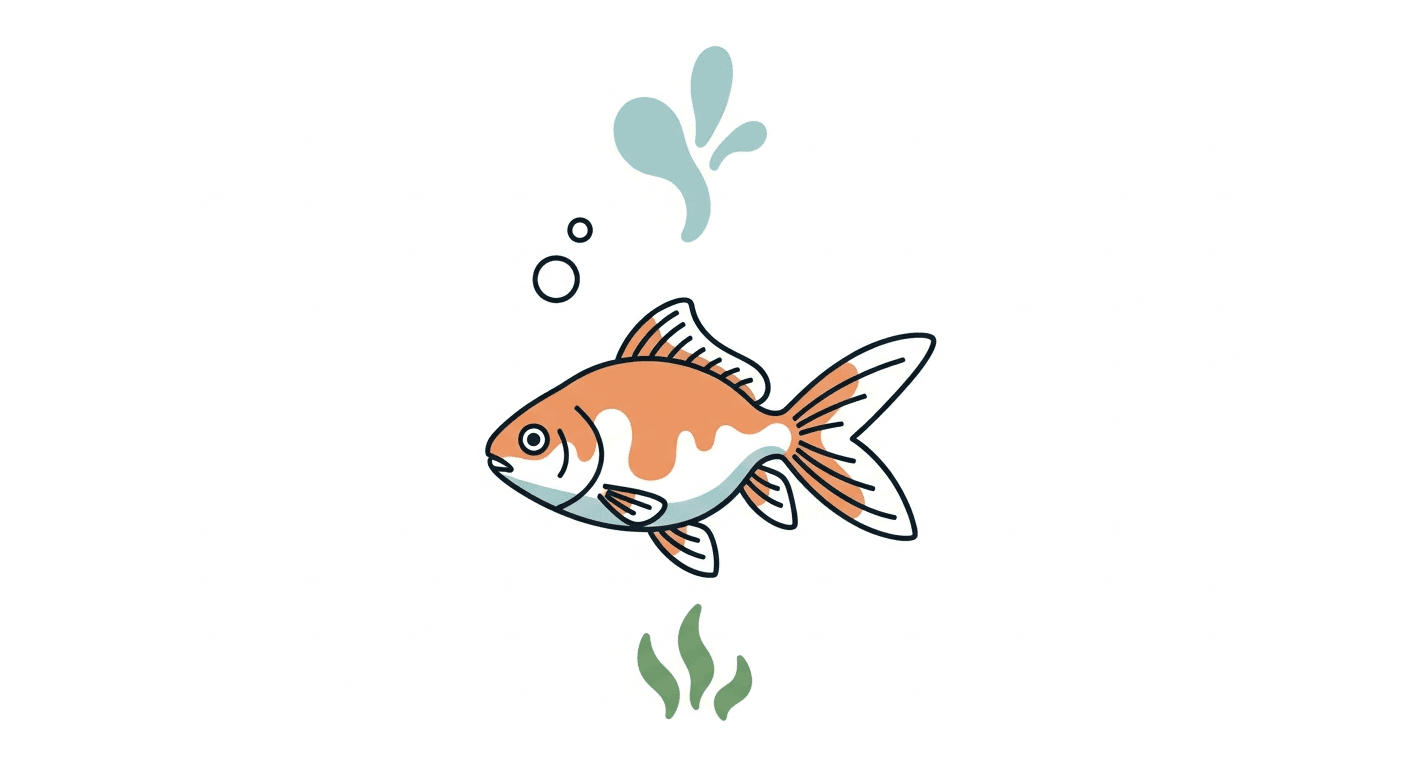
The Most Misunderstood Pet Fish
Goldfish have been kept as pets for over a thousand years, yet they are simultaneously the most mistreated aquarium fish in the world. The common narrative — "they only live 2 years, you just put them in a bowl" — is completely false. Healthy goldfish live 10–15 years, and many reach 20+ years. The reason most goldfish die within months of purchase is improper care, most often related to inadequate tank size, poor water quality, and overfeeding. This guide corrects the most common mistakes.
Tank Size: The Biggest Mistake
Goldfish cannot thrive in bowls. They are large, messy fish that produce enormous amounts of waste relative to their body size. The commonly repeated 1-inch-of-fish-per-gallon rule is dangerously inadequate for goldfish.
- Single-tailed goldfish (common, comet, shubunkin): Minimum 40 gallons for one fish, plus 20 gallons per additional fish. These fish can grow to 12+ inches in proper conditions.
- Fancy goldfish (oranda, ryukin, telescope, ranchu): Minimum 20 gallons for one fish, plus 10 gallons per additional fancy goldfish.
- Goldfish bowls and "starter kits": These are appropriate for betta fish or small tropical fish — not for goldfish. A goldfish in a bowl will die prematurely from ammonia poisoning and oxygen deprivation.
- Outdoor ponds: Single-tailed goldfish are actually better suited to garden ponds than indoor tanks. A pond of 500+ gallons can support a thriving community of single-tailed goldfish.
Water Quality: The Foundation of Fish Health
Goldfish are particularly sensitive to poor water quality. Understanding the nitrogen cycle is essential for any aquarium owner:
- Ammonia: Produced by fish waste and uneaten food. Even trace amounts are toxic. Should always read 0 ppm in a cycled tank.
- Nitrite: Produced as bacteria break down ammonia. Also toxic. Should read 0 ppm in a cycled tank.
- Nitrate: The relatively harmless end product of the cycle. Keep below 20 ppm with regular water changes.
- Water changes: 25–30% weekly water changes are the single most important thing you can do. Use a dechlorinator every time.
- Filter: A quality canister filter or HOB (hang-on-back) filter rated for at least double your tank volume is necessary for goldfish.
- Test your water weekly: Use a liquid test kit — strip tests are less accurate.
Feeding: Less Is More
- Feed once or twice daily — only what is consumed within 2 minutes
- Soak dry pellets for 30 seconds before feeding — gulping air with floating food causes swim bladder disorder in fancy goldfish
- Supplement with fresh vegetables: blanched peas (excellent), zucchini, cucumber, and spinach
- Fast for one day per week — this reduces the risk of digestive issues
- Never feed bread, processed human food, or goldfish "flake food" as the primary diet
Common Diseases and Signs to Watch For
- Ich (white spot disease): Small white dots resembling grains of salt on fins and body. Treat with aquarium salt or a commercial ich treatment, and raise temperature gradually.
- Swim bladder disorder: Fish struggles to stay upright, floats at the surface, or sinks. Often caused by constipation — fast for 2–3 days, then offer blanched peas.
- Fin rot: Ragged, discolored fin edges. Caused by bacterial infection secondary to poor water quality. Improve water quality first; antibiotic treatment if severe.
- Dropsy: Fish appears pinecone-shaped (scales standing out) with bloating. Often a sign of severe internal bacterial infection. Treatment success is limited — early detection is key.
Log tank parameters and fish behavior in the TailRounds Daily Log. Use TailRounds AI Triage to assess fish symptoms. Book a vet visit with an aquatic or exotic animal veterinarian for any fish that is sick — fish medicine has advanced significantly and many conditions are treatable. Find a clinic via the clinic finder.
Continue Reading
 🐇 Small Pets
Betta Fish Care Guide: Tank Setup, Diet, and Health
How to properly care for a betta fish — the right tank size, water conditions, feeding routine, compatible tankmates, and common diseases to watch for.
 🐇 Small Pets
Aquarium Setup for Beginners: The Nitrogen Cycle and First Fish
A step-by-step guide to setting up a beginner aquarium — understanding the nitrogen cycle, choosing the right tank and filter, and selecting fish that are hardy enough to thrive.
 🐇 Small Pets
When Does a Small Pet Need a Vet? Signs You Shouldn't Ignore
How to know when a small animal — bird, rodent, reptile, fish, or invertebrate — needs veterinary care, and how to find an exotic-experienced vet near you.
 🐇 Small Pets
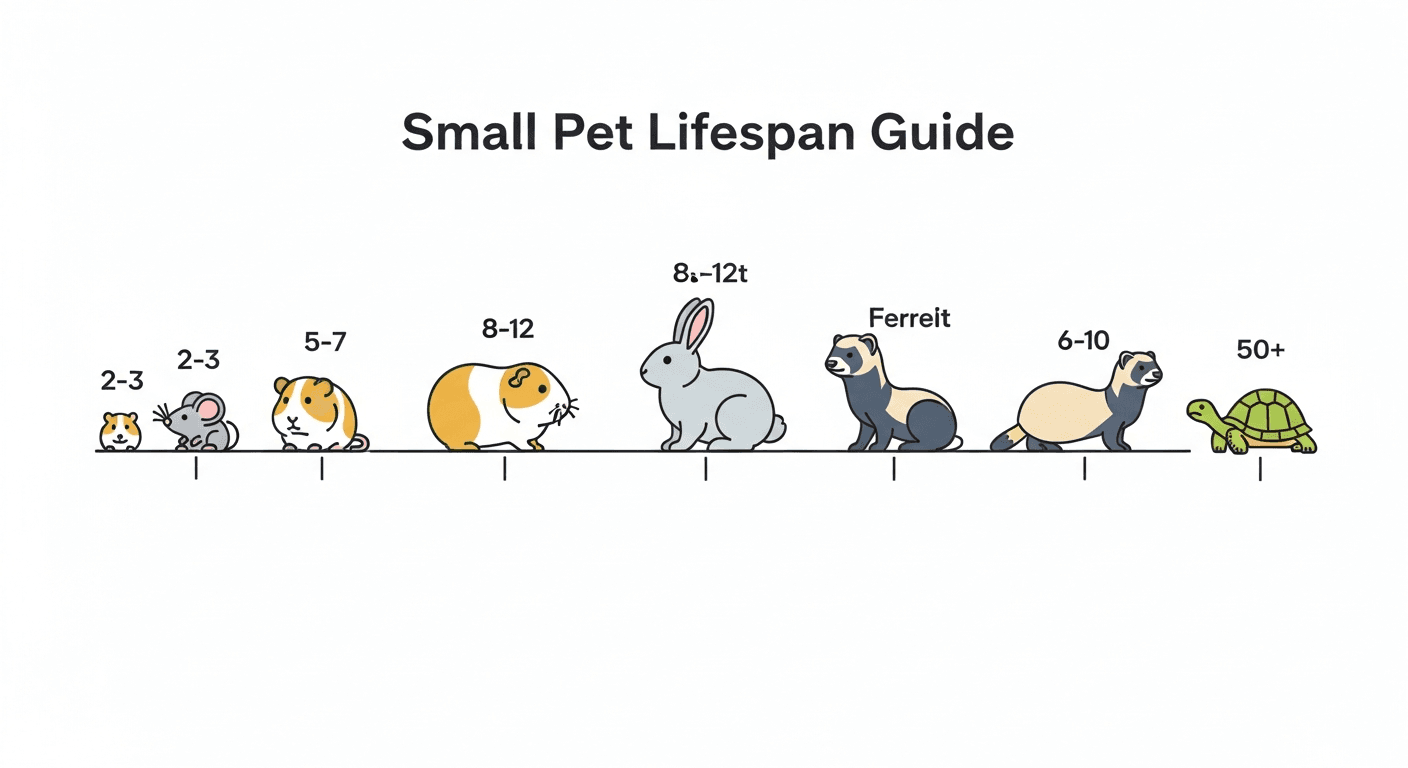
Small Pet Lifespans: What to Expect and How to Plan for It
A realistic guide to the lifespan of popular small pets — from hamsters to tortoises — and how to provide the best care at each life stage.