
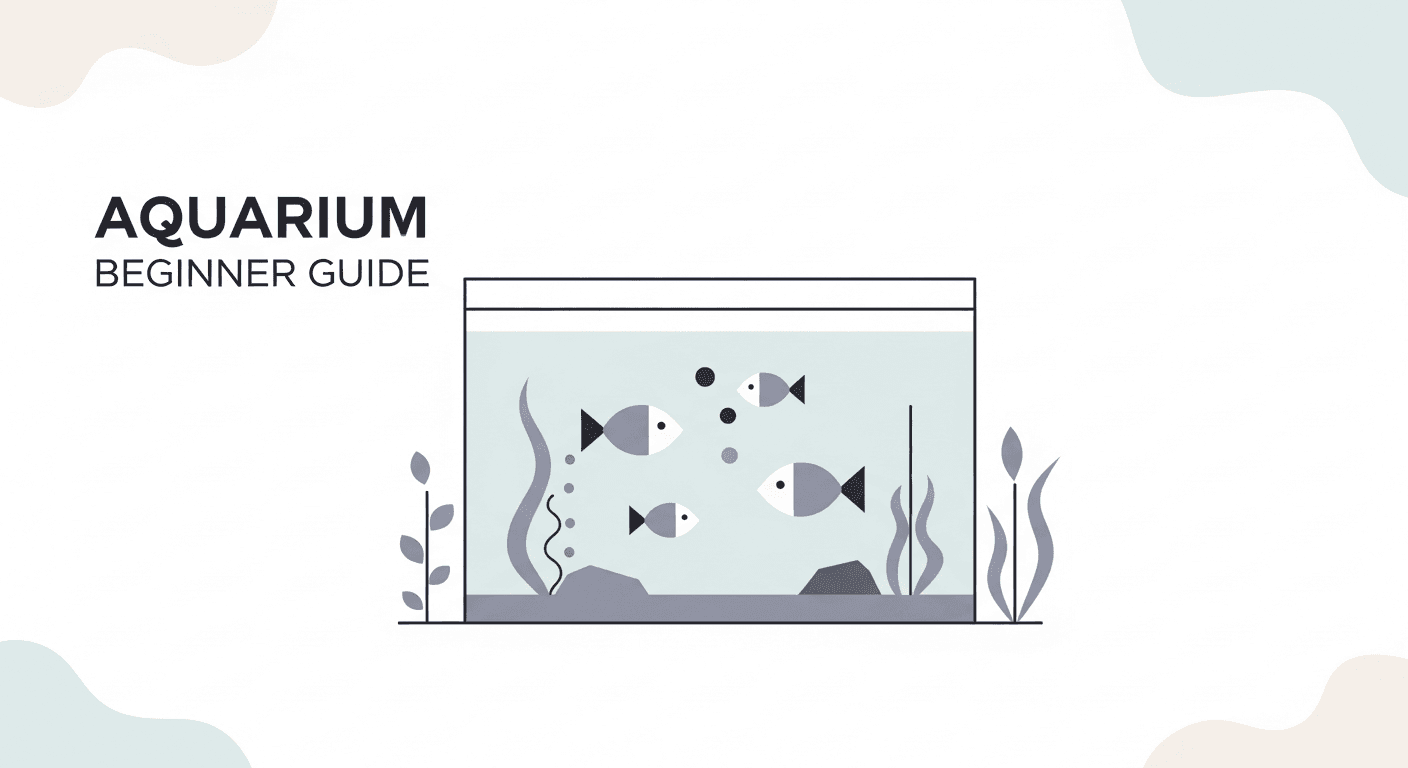
The Most Important Thing to Know Before You Set Up a Fish Tank
The single biggest mistake new aquarium owners make is adding fish to a brand-new tank and then watching them die over the next few weeks, confused about what went wrong. What went wrong is almost always the same thing: the nitrogen cycle was not established before the fish were introduced. Understanding the nitrogen cycle is the non-negotiable foundation of all successful fishkeeping.
The Nitrogen Cycle Explained
Fish produce ammonia as a metabolic waste product, primarily through their gills but also through uneaten food decomposing in the tank. Ammonia is highly toxic to fish even at very low concentrations (0.25 ppm can cause stress; above 1 ppm causes organ damage and death). Here is how the cycle works:
- Ammonia accumulates from fish waste and uneaten food
- Beneficial bacteria (Nitrosomonas) colonize the filter media and convert ammonia to nitrite (also toxic)
- A second bacteria (Nitrospira) converts nitrite to nitrate (relatively harmless in moderate concentrations)
- Nitrate is removed through regular water changes
Establishing this bacterial colony takes 4–8 weeks in a new tank. During this time, ammonia and nitrite levels spike dangerously. A cycled tank maintains ammonia and nitrite at 0 ppm continuously.
How to Cycle Your Tank (Fishless Method)
- Set up the tank, fill with dechlorinated water, add substrate and decorations, run the filter and heater
- Add an ammonia source — pure ammonia dosed to 2–4 ppm, OR fish food left to decompose, OR pure ammonia drops designed for fishless cycling
- Test water parameters every 2–3 days with a liquid test kit (API Master Test Kit)
- You will see ammonia rise, then nitrite rise as the first bacteria colonize, then nitrate rise as the second bacteria take over, then ammonia and nitrite both drop to 0 — this is a cycled tank
- Once ammonia and nitrite both read 0 after a dose of ammonia, perform a large water change (80%) and introduce fish
You can accelerate cycling by adding: a filter sponge or media from an established tank, bottled beneficial bacteria (Seachem Stability or Fritz Turbo 700), or substrate from an established tank.
Tank Size: Bigger Is More Stable
- Minimum recommended for beginners: 20 gallons. Smaller tanks are harder to maintain because water parameters fluctuate rapidly.
- Common misconception: Small tanks are easier than large tanks. The opposite is true — a larger volume dilutes ammonia spikes and is far more forgiving of mistakes.
- Choose a tank appropriate for the fish you want — see the goldfish care guide and betta care guide for species-specific tank requirements.
Hardy Beginner Fish
- Zebra danios: Hardy, tolerant of imperfect water conditions, active schooling fish
- White cloud mountain minnows: Cold-tolerant, peaceful, easy to keep
- Corydoras catfish: Bottom dwellers, peaceful community fish, very hardy
- Platy and molly: Colorful, easy to keep, tolerant of a range of conditions
- Avoid for beginners: Discus, freshwater stingrays, large cichlids, and any fish with very specific water chemistry requirements
Test your water weekly and log parameters in the TailRounds Daily Log. For sick fish, use TailRounds AI Triage for guidance and find an aquatic vet at the clinic finder. Book a consultation with a vet experienced in aquatic medicine if you have persistent health issues.
Continue Reading
 🐇 Small Pets
Goldfish Care and Health: What Most Owners Get Wrong
The truth about goldfish care — tank size, water quality, filtration, diet, and the most common diseases that cut these long-lived fish short unnecessarily.
 🐇 Small Pets
Betta Fish Care Guide: Tank Setup, Diet, and Health
How to properly care for a betta fish — the right tank size, water conditions, feeding routine, compatible tankmates, and common diseases to watch for.
 🐇 Small Pets
Axolotl Care Guide: Tank Setup, Water Quality, and Health
Everything you need to know to keep an axolotl healthy — cold water requirements, filtration, diet, and the signs of stress and disease in this unique aquatic salamander.
 🐇 Small Pets
When Does a Small Pet Need a Vet? Signs You Shouldn't Ignore
How to know when a small animal — bird, rodent, reptile, fish, or invertebrate — needs veterinary care, and how to find an exotic-experienced vet near you.