
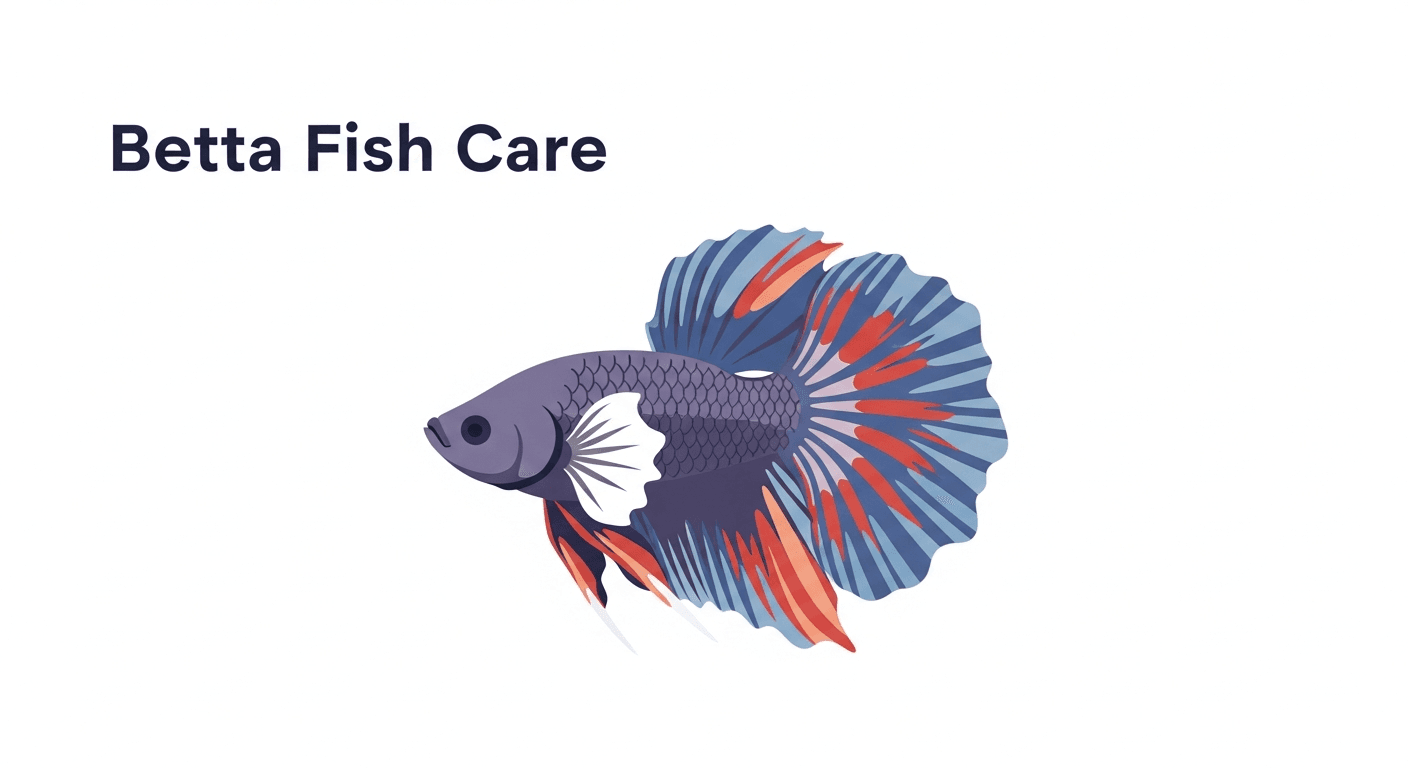
Understanding Betta Fish
Betta splendens — the Siamese fighting fish — is among the most popular aquarium fish in the world, celebrated for their brilliant colors, long flowing fins, and surprisingly interactive personalities. Bettas are native to the shallow, warm, still or slow-moving waters of Southeast Asia, including rice paddies, ponds, and slow streams. Understanding their natural environment is the key to providing the right conditions in captivity.
Well-cared-for bettas live 3–5 years and sometimes longer. The "cup on a shelf at a pet store" presentation is a temporary holding condition — not a model for long-term keeping.
Tank Setup: The Non-Negotiables
- Minimum 5 gallons: Bettas need at least a 5-gallon tank to thrive. The commonly sold tiny betta "tanks" and vases of 0.5–1 gallon cause chronic stress, temperature instability, and rapid water quality deterioration. A 10-gallon tank is ideal for a single betta.
- Heater: Bettas require water temperatures of 76–82°F (24–28°C). They are tropical fish. A room-temperature tank in a temperate climate is too cold and compromises immune function.
- Filter: A gentle sponge filter or a low-flow HOB filter. Bettas prefer still or very gentle currents — strong flow stresses them and damages their fins.
- Lid: Essential. Bettas are excellent jumpers and will escape from uncovered tanks.
- Plants and hiding spots: Dense live or silk plants (not sharp plastic — betta fins tear easily) and caves or hiding structures reduce stress and encourage natural behavior.
- Light cycle: 8–10 hours of light daily, with darkness at night.
Water Chemistry
- pH: 6.5–7.5 (bettas are flexible but prefer slightly acidic water)
- Ammonia and nitrite: always 0 ppm
- Nitrate: below 20 ppm
- Temperature: 76–82°F (24–28°C)
- Water changes: 25–30% weekly, using dechlorinated water matched to tank temperature
- Cycle the tank before adding the fish — see the aquarium setup guide for the full nitrogen cycle walkthrough
Feeding Your Betta
- Primary diet: High-quality betta-specific pellets
- Treats 2–3 times per week: Frozen or freeze-dried bloodworms, daphnia, or brine shrimp — these provide protein variety and enrichment
- Feeding amount: 2–4 pellets per feeding, twice daily. Bettas have small stomachs — roughly the size of their eye.
- Fast one day per week: Prevents constipation, which is a common problem in bettas
- Remove uneaten food: After 5 minutes to prevent ammonia spikes
Tankmate Compatibility
Male bettas will fight other male bettas to the death — never house two males together. Female bettas can be housed in groups of 5+ in a "sorority" setup, but aggression management requires experience. Suitable peaceful tankmates for male bettas in larger tanks (10+ gallons) include: mystery snails, nerite snails, corydoras catfish, small rasboras, and ember tetras. Avoid fin-nipping species like tiger barbs.
Keep a record of your betta's behavior, color (color fading can indicate illness), and eating habits in the TailRounds Daily Log. Use TailRounds AI Triage for early symptom assessment. For serious illness, find an aquatic animal vet via the clinic finder or book a consultation.
Continue Reading
 🐇 Small Pets
Goldfish Care and Health: What Most Owners Get Wrong
The truth about goldfish care — tank size, water quality, filtration, diet, and the most common diseases that cut these long-lived fish short unnecessarily.
 🐇 Small Pets
Aquarium Setup for Beginners: The Nitrogen Cycle and First Fish
A step-by-step guide to setting up a beginner aquarium — understanding the nitrogen cycle, choosing the right tank and filter, and selecting fish that are hardy enough to thrive.
 🐇 Small Pets
When Does a Small Pet Need a Vet? Signs You Shouldn't Ignore
How to know when a small animal — bird, rodent, reptile, fish, or invertebrate — needs veterinary care, and how to find an exotic-experienced vet near you.
 🐇 Small Pets
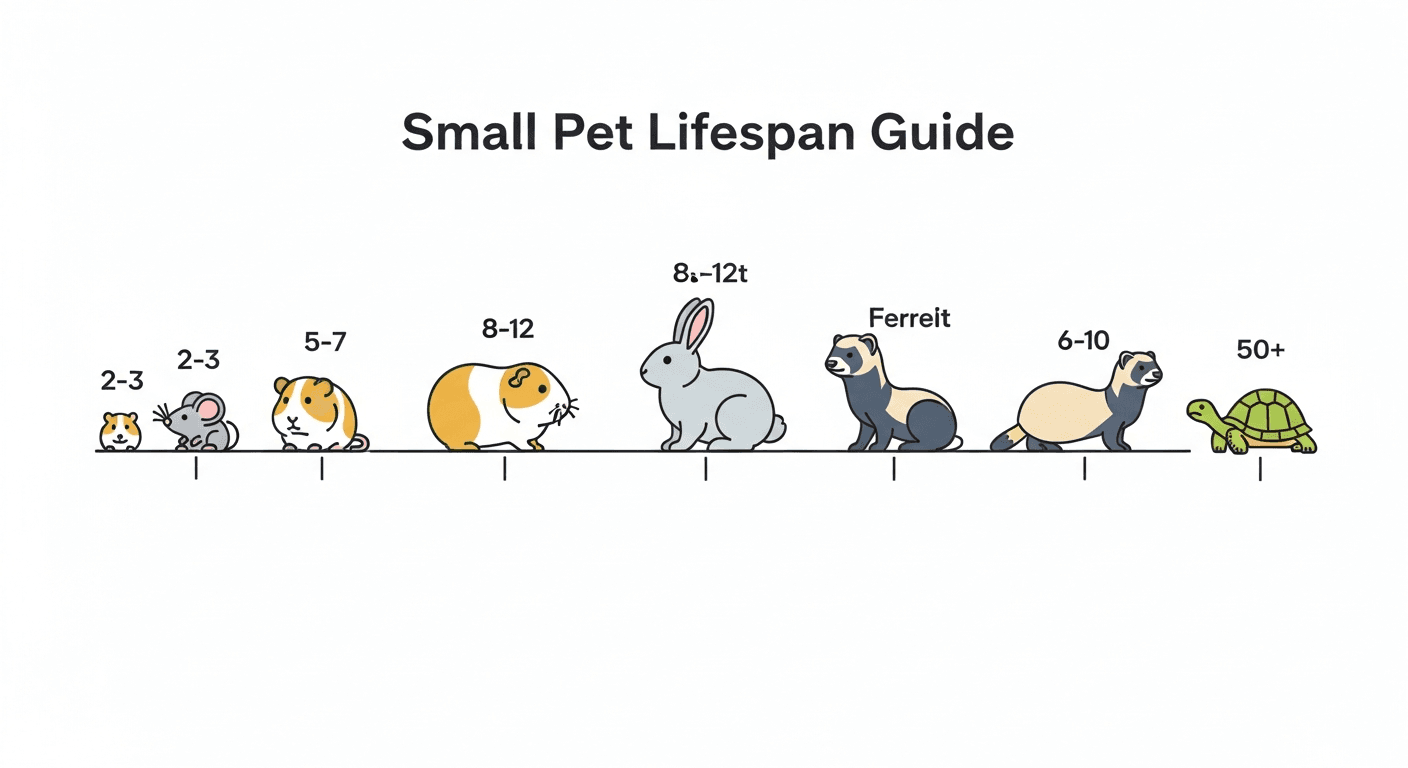
Small Pet Lifespans: What to Expect and How to Plan for It
A realistic guide to the lifespan of popular small pets — from hamsters to tortoises — and how to provide the best care at each life stage.