
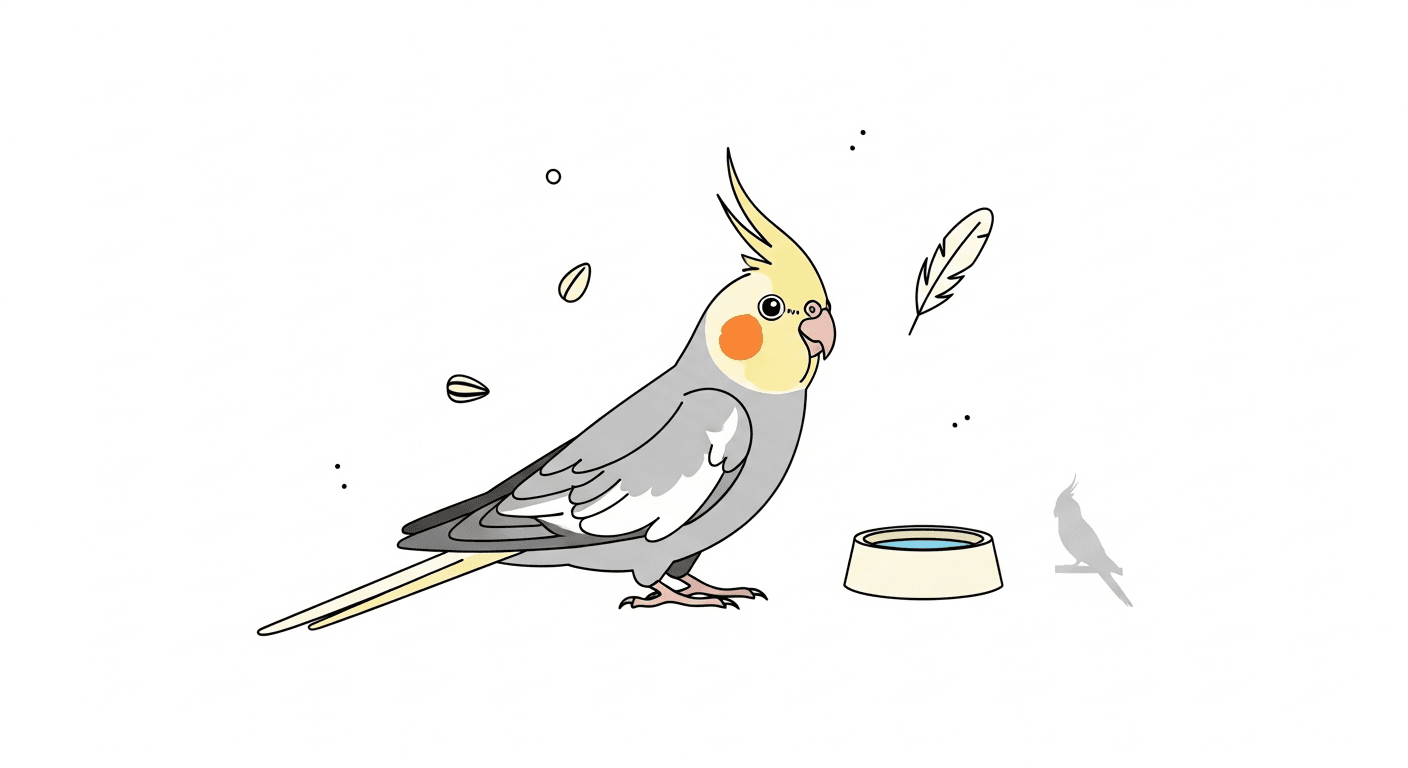
The Cockatiel: Australia's Most Loved Companion Bird
Cockatiels are the second most popular pet bird in the world and the most popular pet parrot. Native to Australia, they are social, affectionate, and musically gifted — cockatiels are among the best whistlers of all parrots and many learn to mimic tunes and phrases. With proper care, cockatiels live 15–25 years, making them a long-term commitment that rivals some dog breeds in longevity.
They are a step up in size and complexity from budgies, requiring more space, more interaction, and more veterinary attention — but they reward attentive owners with one of the most interactive and emotionally satisfying relationships in the pet bird world.
Cage and Environment Requirements
Cockatiels are active, exploratory birds that need significantly more space than many owners provide. Minimum cage dimensions for a single cockatiel: 24 inches wide × 18 inches deep × 24 inches tall. Wider is better than taller for a flying bird. Horizontal bar spacing should be no more than 0.75 inches (19mm).
- Perches: Minimum 4 perches of varying thickness — natural wood branches of different diameters prevent foot problems. Include one conditioning perch near the food area to maintain beak and nail health.
- Out-of-cage time: Cockatiels need at least 2–4 hours of supervised out-of-cage time daily. A bird cage-bound 22 hours per day will develop behavioral and health problems.
- Temperature: Keep between 65–80°F (18–27°C). Avoid drafts and temperature fluctuations.
- Lighting: 10–12 hours of light (including natural light exposure if possible, or a full-spectrum bird lamp) and 12–14 hours of darkness for proper hormonal regulation and sleep.
- CAUTION — Fumes: Non-stick cookware (PTFE/Teflon) releases fumes when overheated that kill birds within minutes. Never use non-stick pans in a home with birds, or at minimum ensure the kitchen is completely separate and well-ventilated.
Nutrition: Beyond Seeds
Like budgies, cockatiels suffer on all-seed diets, which are nutritionally deficient and lead to fatty liver disease, vitamin A deficiency, and shortened lifespan. The ideal cockatiel diet:
- Pellets (50–60%): High-quality cockatiel-specific pellets as the dietary base
- Fresh vegetables (20–30%): Leafy greens, carrots, broccoli, sweet potato (cooked), peas, corn. Offer variety daily.
- Fresh fruit (10%): In moderation — berries, apple (no seeds), mango, papaya
- Seeds and grains (10–20%): As a supplement and for foraging enrichment, not as the primary food
- Egg food: Hard-boiled egg is an excellent protein supplement 2–3 times per week
- Fresh water: Changed twice daily
Common Health Issues in Cockatiels
- Respiratory infections: Signs include tail bobbing, open-mouth breathing, nasal discharge, wheezing. Common causes include Chlamydophila psittaci (psittacosis — transmissible to humans), aspergillosis, and mycoplasma.
- Night frights: Cockatiels are prone to being startled in the dark, flailing in their cage and injuring themselves. A dim night light reduces this risk.
- Chronic egg laying (in females): Unpaired females that lay eggs repeatedly can develop life-threatening calcium deficiency and egg binding. Dietary calcium, reduced light exposure, and veterinary management are needed.
- Feather destructive behavior: Over-preening or plucking is almost always behavioral (boredom, stress, hormonal) or related to nutritional deficiency or skin disease. Requires investigation.
- Proventricular Dilatation Disease (PDD): A serious neurological and GI disease caused by a bornavirus. Signs include regurgitation, weight loss, and passage of whole seeds in droppings.
Track your cockatiel's daily food intake, droppings, and behavior in the TailRounds Daily Log. Use TailRounds AI Triage for guidance when you notice early changes. Book an annual avian wellness exam and use the clinic finder to locate an avian vet near you.
Continue Reading
 🐇 Small Pets
Budgerigar (Budgie) Care: The Complete Owner's Guide
Everything you need to know to keep a budgie healthy — diet, cage setup, social needs, common illnesses, and when to see an avian vet.
 🐇 Small Pets
Parakeet vs Parrot: Which Bird Is Right for You?
A practical comparison of parakeets and larger parrots to help you choose the right bird companion — covering size, noise, lifespan, cost, and time commitment.
 🐇 Small Pets
When Does a Small Pet Need a Vet? Signs You Shouldn't Ignore
How to know when a small animal — bird, rodent, reptile, fish, or invertebrate — needs veterinary care, and how to find an exotic-experienced vet near you.
 🐇 Small Pets
Small Pet Lifespans: What to Expect and How to Plan for It
A realistic guide to the lifespan of popular small pets — from hamsters to tortoises — and how to provide the best care at each life stage.