
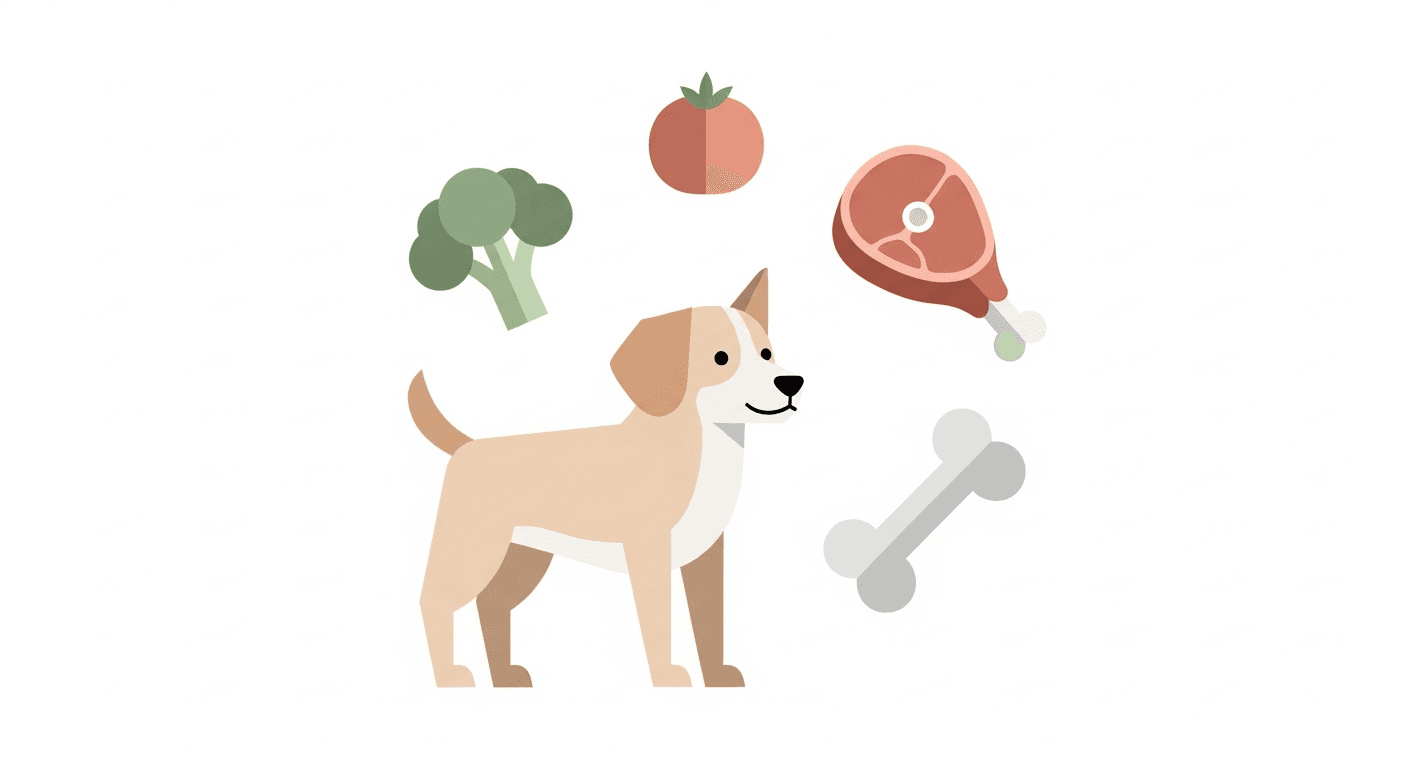
What Is the BARF Diet?
BARF stands for Biologically Appropriate Raw Food (also sometimes called Bones And Raw Food). Developed by Australian veterinarian Dr. Ian Billinghurst in the early 1990s, the BARF diet is based on the premise that dogs should eat a diet similar to what their wild ancestors consumed before domestication: raw meat, bones, organs, and vegetables, with no processed ingredients.
Raw feeding has a dedicated and passionate following among dog owners who report improved coat quality, better digestion, increased energy, smaller stools, and fewer health issues. It also has vocal critics in the veterinary community who cite nutritional imbalance risks, bacterial contamination, and bone-related injuries.
Before starting a raw diet, get a baseline health check for your dog. Book a vet appointment at Happy Paws and use the TailRounds Daily Log to track changes after transitioning.
The Components of a Balanced Raw Diet
A properly formulated BARF diet typically follows a general ratio guideline, though exact proportions should be adjusted based on your dog's individual needs:
| Component | Proportion | Examples |
|---|---|---|
| Muscle meat | 65–70% | Chicken, beef, turkey, lamb, pork |
| Raw meaty bones | 10–15% | Chicken necks, wings, carcasses, lamb ribs |
| Organ meat | 10% | Liver (5%), kidney, spleen, brain |
| Vegetables/fruit | 10% | Leafy greens, broccoli, carrots, blueberries |
| Eggs, fish, dairy | 5% | Whole eggs, sardines, plain kefir |
Critical nutritional notes:
- Liver must not exceed 5% of total diet — excess liver causes vitamin A toxicity
- The diet must be varied across multiple protein sources to prevent nutritional gaps
- Raw bones must always be raw (never cooked — cooked bones splinter dangerously)
- Vegetables should be lightly pureed or cooked for better digestibility — dogs lack the cellulase enzyme to break down plant cell walls
- DHA supplementation (fish oil) is important unless fish forms a regular part of the diet
Food Safety: The Most Important Consideration
Raw meat harbors pathogens including Salmonella, Listeria monocytogenes, Campylobacter, and E. coli O157:H7. While healthy adult dogs can often tolerate these bacteria due to their shorter, more acidic GI tract, the risks are real:
- Dogs shedding Salmonella in their stool can infect humans — particularly children under 5, elderly individuals, and immunocompromised people
- Puppies, pregnant or nursing dogs, and immunocompromised dogs are themselves at higher risk of illness
- Cross-contamination during food preparation can spread bacteria to kitchen surfaces, utensils, and hands
Raw feeding food safety protocols:
- Source meat from human-grade suppliers or reputable raw pet food manufacturers
- Freeze meat for 3+ days before feeding — reduces but does not eliminate parasite risk
- Thaw in refrigerator, never at room temperature
- Use dedicated cutting boards, bowls, and utensils for raw meat
- Wash hands, surfaces, and your dog's bowl thoroughly with hot soapy water after every meal
- Remove uneaten raw food after 20–30 minutes
Who Should NOT Feed Raw
Raw feeding is contraindicated in certain situations:
- Households with infants (under 2 years), elderly residents, or immunocompromised individuals (chemotherapy, HIV, organ transplant recipients)
- Puppies under 16 weeks — immune system not fully developed
- Immunocompromised dogs (on steroids, chemotherapy, or with autoimmune disease)
- Dogs with pancreatitis — the high fat content in raw meat may trigger flares
- Dogs with certain bone diseases — raw bone consumption may be inadvisable
Transitioning to Raw Feeding
Transition should be gradual — over 2–4 weeks — to avoid digestive upset. Start with a single protein source (chicken is easiest), then introduce variety as your dog adapts. Some dogs experience detox symptoms (loose stools, increased shedding) in the first 1–2 weeks — this is normal but monitor closely. If symptoms persist beyond 2 weeks, consult your vet.
Consider working with a veterinary nutritionist to formulate a complete raw diet, especially if your dog has any health conditions. Find a Clinic near you for specialist referral, and use the TailRounds Daily Log to record stool quality, coat condition, and weight during the transition.
Continue Reading
 🥩 Pet Nutrition
Dry vs Wet vs Raw Dog Food: A Complete Comparison Guide
Compare dry kibble, wet canned food, and raw dog food across nutrition, cost, convenience, and health outcomes to find the best option for your dog.
 🥩 Pet Nutrition
Homemade Dog Food: What's Safe, What's Not, and How to Balance Meals
A complete guide to cooking homemade dog food safely. Learn which ingredients are safe, what to avoid, and how to ensure complete nutritional balance.
 🥩 Pet Nutrition
Food Allergies in Dogs: Elimination Diet Guide and Best Foods
Learn how to identify food allergies in dogs using an elimination diet, interpret allergy symptoms, and find the right hypoallergenic food for lasting relief.
 🥩 Pet Nutrition
How to Read Pet Food Ingredient Labels: A Complete Owner's Guide
Decode pet food labels with confidence. Learn what AAFCO statements mean, how ingredients are listed, what marketing terms actually mean, and red flags to avoid.