

Why Owners Choose Homemade Dog Food
More pet owners than ever are choosing to prepare food for their dogs at home — driven by concerns over commercial food recalls, a desire for ingredient transparency, managing food allergies, or simply wanting to cook for their pets with the same care they cook for their family. Homemade feeding, done correctly, can be an excellent option. Done carelessly, it causes serious nutritional harm.
A landmark study published in the Journal of Nutritional Science found that 95% of homemade dog food recipes found online were nutritionally deficient in at least one essential nutrient, and many were deficient in multiple. The solution isn't to avoid homemade food — it's to approach it with the rigor it demands. Before switching to homemade feeding, Book a vet appointment at Happy Paws to develop a nutritionally complete plan, and track your dog's response with the TailRounds Daily Log.
The Nutrient Requirements Your Homemade Food Must Meet
AAFCO minimum nutrient requirements for adult dogs include 37 essential nutrients. The most commonly deficient in homemade diets are:
- Calcium: Critical for bone health. Without supplementation, most meat-based homemade diets are severely deficient. Bone meal, ground eggshell (1 teaspoon per pound of meat), or a calcium carbonate supplement is essential.
- Zinc: Supports immune function, skin, and coat. Particularly deficient in plant-heavy recipes.
- Copper: Often inadequate in poultry-based diets (lamb, beef, and organs are better sources).
- Iodine: Essential for thyroid function. Fish, dairy, or an iodized supplement is needed.
- Vitamins D, E, B12: Frequently below minimum levels in home-prepared recipes.
- Iron: More bioavailable from red meat (heme iron) than plant sources.
- Omega-3 fatty acids (DHA/EPA): Most meat sources provide excessive omega-6 with minimal omega-3 — fish oil supplementation is strongly recommended.
Safe and Beneficial Ingredients for Homemade Dog Food
| Category | Safe Options | Notes |
|---|---|---|
| Proteins | Chicken, turkey, beef, pork, lamb, fish, eggs | Cook thoroughly; avoid excess fat trimmings |
| Organ meats | Liver, kidney (limit to 5–10% of diet) | Vitamin A toxicity if excess liver |
| Grains/Starches | White rice, brown rice, oats, quinoa, sweet potato | Cook thoroughly for digestibility |
| Vegetables | Carrots, peas, green beans, zucchini, leafy greens, broccoli | Cooked or pureed; avoid onion/garlic |
| Fruits | Blueberries, apple (no seeds), banana, watermelon (no rind) | Treats/additions only; limit sugars |
| Healthy fats | Fish oil, flaxseed oil, coconut oil (small amounts) | Balance omega-3/omega-6 ratios |
Ingredients to Absolutely Avoid
Many common human foods are toxic to dogs. The following must never appear in homemade dog food:
- Onions, garlic, leeks, chives: All alliums damage red blood cells, causing hemolytic anemia — even small amounts over time are dangerous
- Grapes and raisins: Can cause acute kidney failure at any dose in susceptible dogs
- Macadamia nuts: Causes weakness, vomiting, tremors
- Xylitol: Artificial sweetener causing dangerous hypoglycemia and liver failure
- Chocolate: Theobromine toxicity — cardiac and neurological effects
- Cooked bones: Splinter and cause gastrointestinal perforation or obstruction
- Raw dough/yeast: Expands in stomach; produces alcohol
- Avocado (flesh and skin): Persin toxicity
- Nutmeg: Neurological toxin
- Alcohol: Causes rapid, dangerous intoxication
See our complete guide to foods toxic to dogs for more detail on symptoms and emergency actions.
A Simple Framework for Balanced Homemade Dog Food
A workable starting framework for an adult dog (verify with a veterinary nutritionist):
- 40–50%: Lean protein (chicken, turkey, beef, fish)
- 25–30%: Cooked whole grains or starchy vegetables (rice, oats, sweet potato)
- 20–25%: Vegetables (mixed, cooked)
- 5%: Organ meat (especially liver)
- Supplement: Calcium source, fish oil, and a complete canine vitamin/mineral supplement
The most responsible approach is to use a recipe formulated by a board-certified veterinary nutritionist (DACVN). Websites like BalanceIT.com allow you to create AAFCO-complete recipes with appropriate supplements. Find a Clinic near you for nutritionist referral, and log your dog's daily food intake in the TailRounds Daily Log.
Continue Reading
 🥩 Pet Nutrition
Raw Feeding for Dogs (BARF): A Complete Beginner's Guide
Everything you need to know about raw feeding (BARF) for dogs: what to feed, how to balance meals, safety protocols, and who should avoid raw diets.
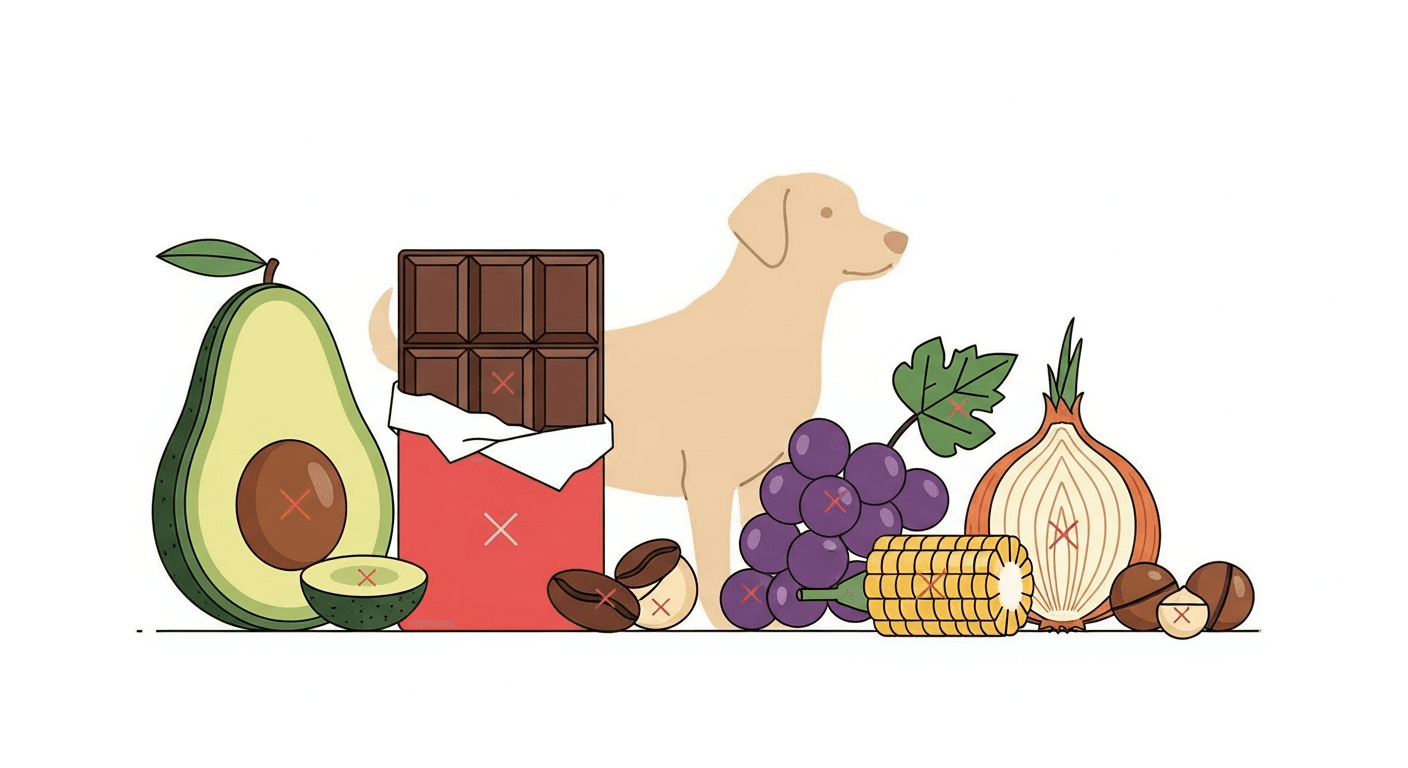 🥩 Pet Nutrition
20 Foods That Are Toxic to Dogs: Symptoms and What to Do
A comprehensive guide to the most dangerous foods for dogs, including symptoms of poisoning and immediate steps to take if your dog eats something toxic.
 🥩 Pet Nutrition
Food Allergies in Dogs: Elimination Diet Guide and Best Foods
Learn how to identify food allergies in dogs using an elimination diet, interpret allergy symptoms, and find the right hypoallergenic food for lasting relief.
 🥩 Pet Nutrition
How to Read Pet Food Ingredient Labels: A Complete Owner's Guide
Decode pet food labels with confidence. Learn what AAFCO statements mean, how ingredients are listed, what marketing terms actually mean, and red flags to avoid.