The Role of Treats in Your Dog's Diet
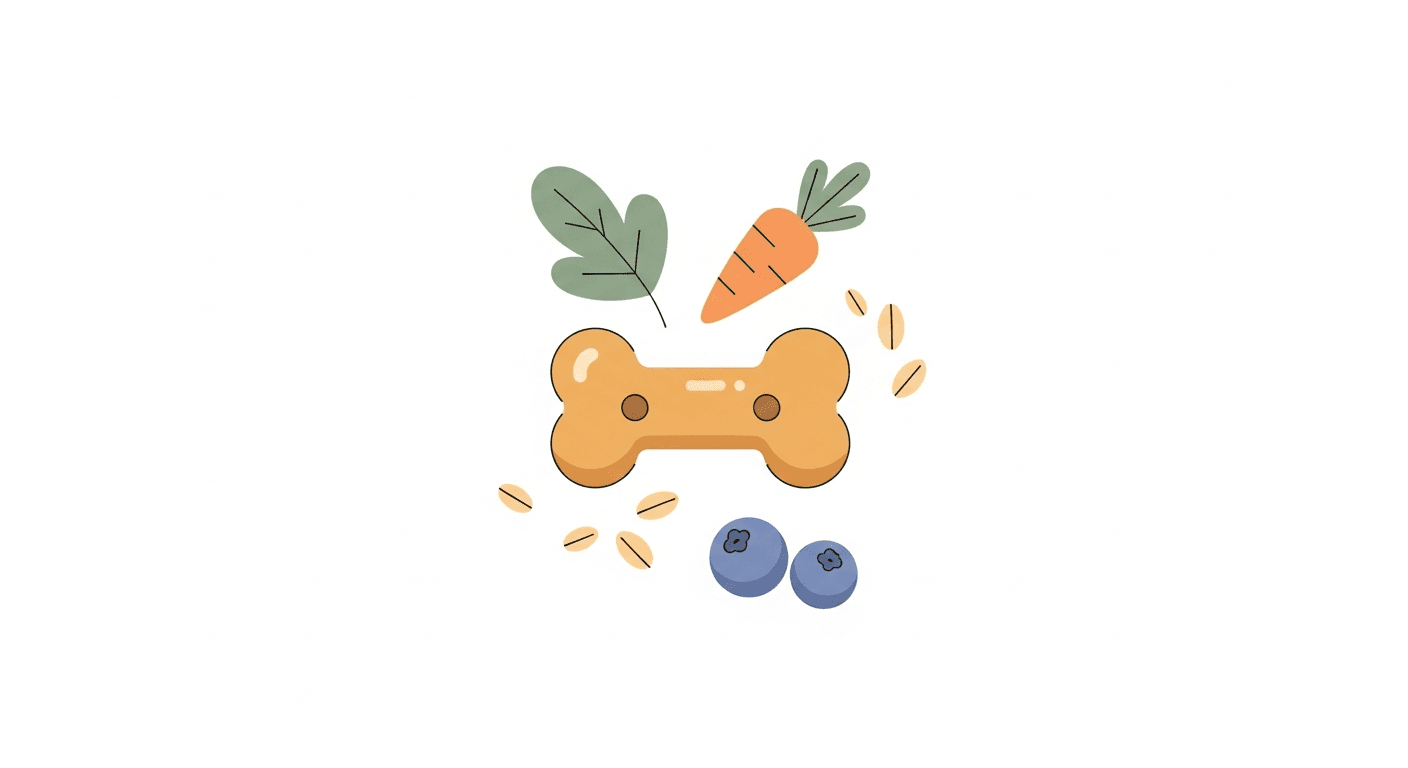
Treats serve vital roles in a dog's life beyond just taste — they're tools for positive reinforcement training, bonding activities, mental enrichment, and sometimes dental health. Used correctly, treats can be part of a healthy, balanced diet. Used carelessly, they can contribute to obesity, nutrient imbalance, and even toxicity.
The universal guideline in veterinary nutrition is the 10% rule: treats should account for no more than 10% of your dog's total daily caloric intake. The other 90% comes from a nutritionally complete and balanced main diet. Exceed this and you begin displacing essential nutrients while adding caloric excess. Track your dog's treat intake alongside meals using the TailRounds Daily Log, and Book a vet appointment at Happy Paws if you're concerned about your dog's weight.
The Best Healthy Treats for Dogs
Natural, whole-food treats (lowest calorie, most nutritious):
- Baby carrots: ~4 calories each. Crunchy texture provides mild dental benefit. Rich in beta-carotene. Most dogs love them.
- Blueberries: ~1 calorie each. High antioxidant content. Excellent for training — small, palatable, and nutritious.
- Green beans (plain, cooked or raw): Very low calorie, high fiber. Can be used as a meal filler for weight management.
- Apple slices (no seeds or core): ~5–8 calories per slice. Vitamins A and C. Remove seeds — they contain amygdalin.
- Watermelon (seedless, no rind): 92% water, very low calorie, cooling treat in summer.
- Cooked chicken breast: Excellent high-protein, low-fat treat. Ideal for training with high-value reward needs.
- Plain cooked salmon: High omega-3 fatty acids. Excellent for coat and skin health.
- Plain rice cakes: Very low calorie. Useful for dogs needing minimal-ingredient treats.
What to Look for in Commercial Dog Treats
| Criteria | Look For | Avoid |
|---|---|---|
| First ingredient | Named meat (chicken, beef, salmon) | "Meat by-products," corn syrup, sugar |
| Calorie density | Under 5 kcal per treat (for training treats) | High-calorie chews as frequent treats |
| Additives | Short ingredient list, whole foods | Artificial colors, BHA/BHT, propylene glycol |
| Xylitol | Not present | Any product containing xylitol |
| Salt/sodium | Low | High-sodium jerky, processed meat treats |
| Size | Small (pea-sized for training) | Large cookies given multiple times daily |
Dental Chews: Do They Work?
Some dogs benefit from dental chews as part of an oral health routine. The Veterinary Oral Health Council (VOHC) Seal of Acceptance is the gold standard — treats with this seal have been tested and shown to reduce plaque or tartar. Look for this seal on products like Greenies Dental Treats, OraVet chews, and certain rawhide alternatives.
Dental chew safety notes:
- Choose appropriately sized chews — too small and the dog may swallow without chewing, risking obstruction
- Rawhide has obstruction risk if large pieces are swallowed — consider compressed rawhide, bully sticks, or synthetic chews as safer alternatives
- Account for dental chew calories in the daily treat budget — some Greenies contain 100+ calories
- Dental chews are an adjunct to professional dental cleaning, not a replacement
Treats to Strictly Avoid
- Anything containing xylitol: Check all peanut butter products — some brands use xylitol. "Xylitol-free" peanut butter in small amounts is safe.
- Grapes, raisins, currants: Can cause kidney failure even in small amounts
- Onion powder / garlic powder: Often hidden in "flavored" treats and jerky
- High-fat treats (bacon, fatty meat scraps): Pancreatitis risk
- Cooked bones: Splinter dangerously
- Macadamia nuts: Toxic to dogs
- Chocolate in any form: Theobromine toxicity
- Treats from unknown/unregulated manufacturers: Multiple recalls of imported jerky treats have been associated with kidney failure in dogs
When in doubt about a new treat ingredient, check the ASPCA poison control database or Find a Clinic near you. Log treats in the TailRounds Daily Log to maintain accurate calorie tracking.
Continue Reading
 🥩 Pet Nutrition
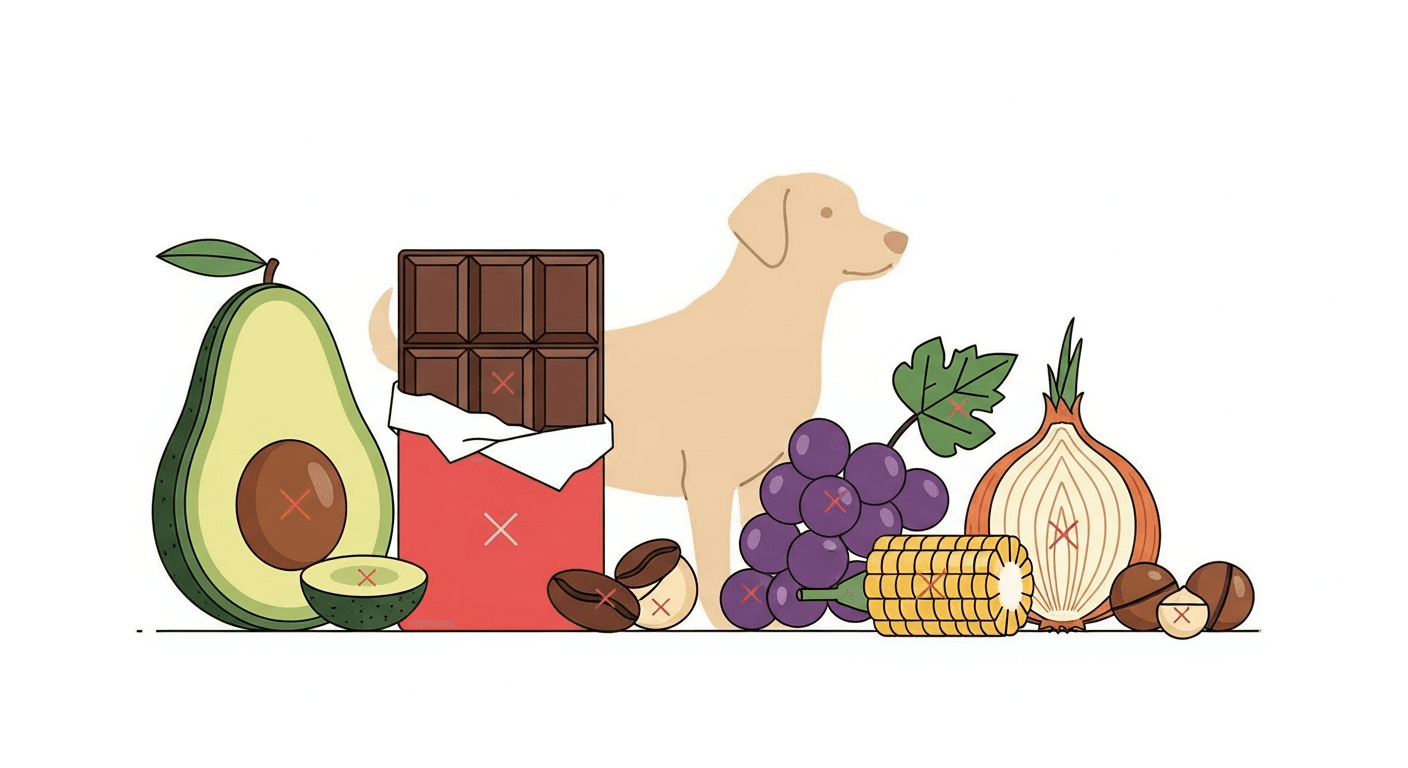
20 Foods That Are Toxic to Dogs: Symptoms and What to Do
A comprehensive guide to the most dangerous foods for dogs, including symptoms of poisoning and immediate steps to take if your dog eats something toxic.
 🥩 Pet Nutrition
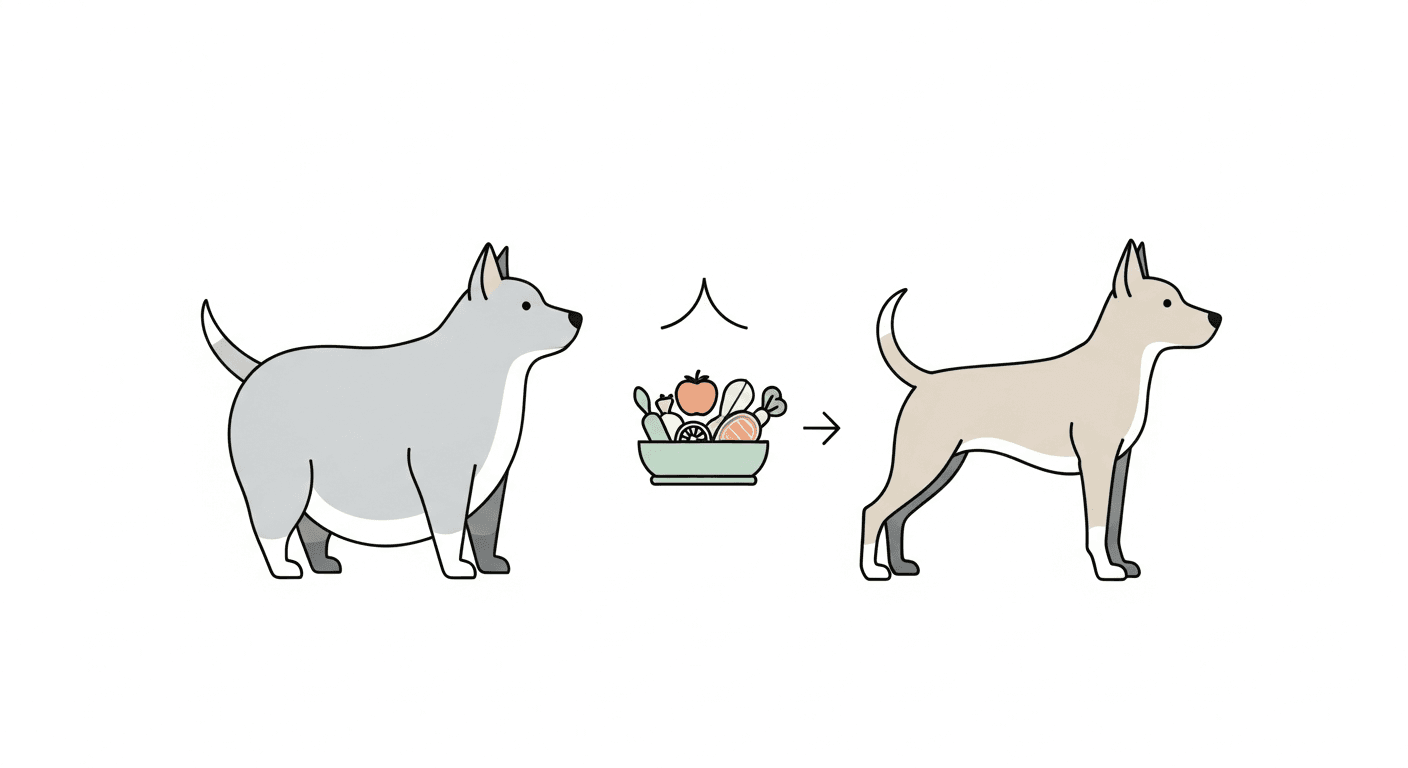
Weight Loss Diet for Overweight Dogs: A Vet-Approved Guide
Help your overweight dog lose weight safely with this complete guide to calorie reduction, food choices, feeding strategies, and exercise recommendations.
 🥩 Pet Nutrition
How Much to Feed Your Dog: A Complete Portion Size Guide
Learn how to calculate the right food portions for your dog based on weight, age, breed, and activity level. Avoid overfeeding and underfeeding.
 🥩 Pet Nutrition
How to Read Pet Food Ingredient Labels: A Complete Owner's Guide
Decode pet food labels with confidence. Learn what AAFCO statements mean, how ingredients are listed, what marketing terms actually mean, and red flags to avoid.