The Rise of Grain-Free Dog Food
Grain-free dog food exploded in popularity in the early 2010s, driven by the human paleo movement, gluten-free dietary trends, and marketing that positioned grains as unnatural fillers for dogs. By 2017, grain-free products represented the fastest-growing segment of the premium pet food market.
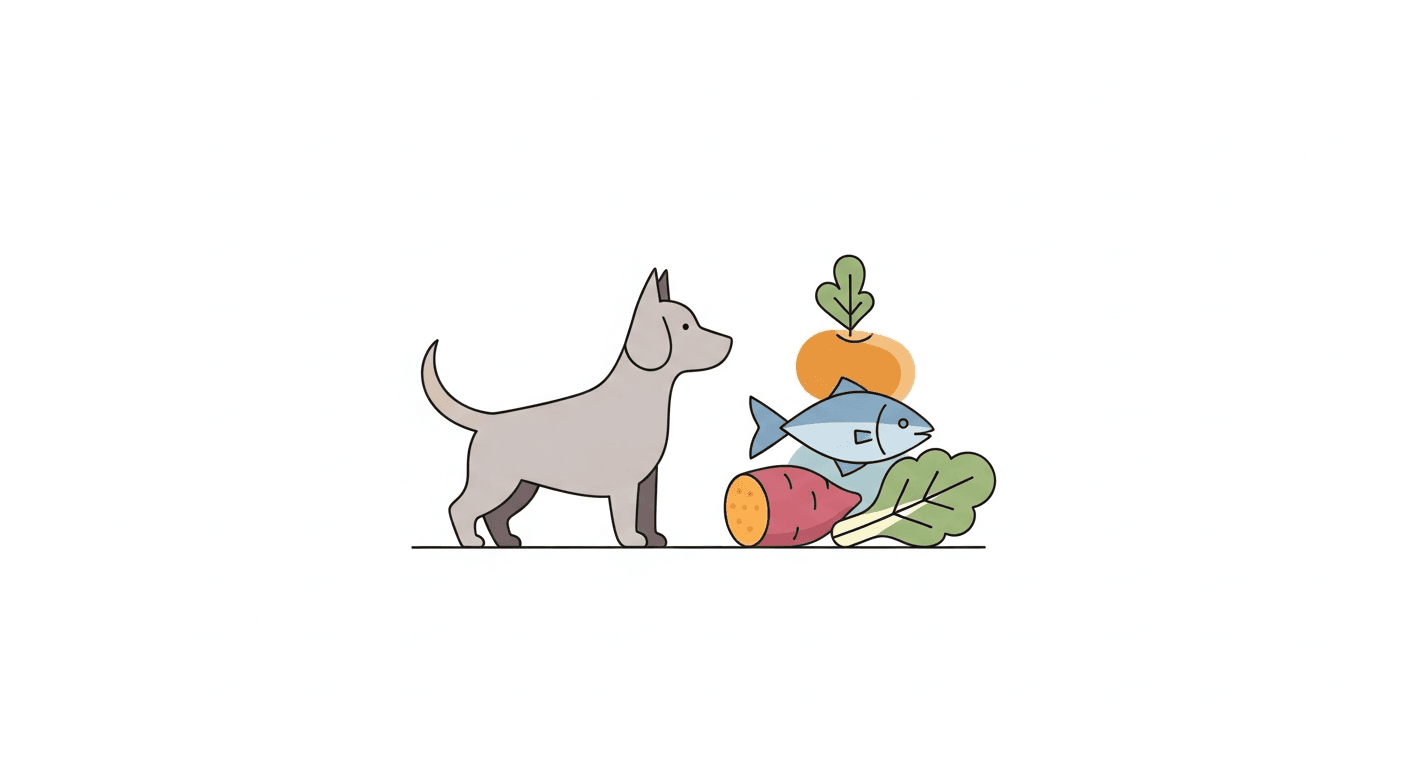
The premise: dogs evolved from wolves who ate meat-based diets, therefore carbohydrates and grains are biologically inappropriate. Grain-free diets replaced starches with ingredients like sweet potato, peas, lentils, and chickpeas.
Then, in 2018, the FDA released an alert that changed the conversation dramatically. If your dog is currently on a grain-free diet and you have concerns, Book a vet appointment at Happy Paws for a cardiac evaluation, and log any symptoms in the TailRounds Daily Log.
The FDA Investigation and the DCM Link
In July 2018, the U.S. Food and Drug Administration (FDA) issued an alert investigating a potential link between grain-free diets and dilated cardiomyopathy (DCM) in dogs. DCM is a serious heart disease where the heart muscle weakens and the heart chambers enlarge, reducing pumping efficiency. It can lead to congestive heart failure and death.
Critically, DCM was appearing in breeds not genetically predisposed to the condition — Golden Retrievers, Labrador Retrievers, German Shepherds, and mixed breeds — who had one thing in common: they were eating grain-free diets high in legumes (peas, lentils, chickpeas) and/or potatoes.
What the FDA found as of 2023:
- Over 1,100 cases of DCM reported between 2014 and 2020 in dogs fed grain-free diets
- A significant proportion had elevated urinary taurine excretion or blood taurine deficiency
- Dietary DCM cases showed improvement in some dogs when diet was changed and taurine was supplemented
- The exact mechanism remains under investigation — it may involve taurine, fiber interactions, bioavailability of nutrients, or compounds in legumes interfering with absorption
- The FDA has not concluded that grain-free diets definitively cause DCM, but the signal is concerning enough to warrant caution
Do Dogs Need Grains? What Nutritional Science Actually Says
The "dogs don't need grains" argument has several problems:
- Dogs, unlike wolves, evolved alongside humans for 15,000+ years and have developed amylase gene copies that enable starch digestion — a genetic adaptation wolves lack.
- Grains (rice, barley, oats) provide not just starch but also fiber, B vitamins, iron, and antioxidants.
- True grain allergy (IgE-mediated) is rare in dogs. Grains account for only a small minority of food allergen cases — chicken, beef, and dairy are far more common allergens.
- Most dogs who "improved" on grain-free diets likely improved because the new food had better overall protein quality, not because grains were removed.
Common grain-free substitutes and their concerns:
- Peas, lentils, chickpeas: High fiber, anti-nutritional factors (phytates, lectins) that may impair nutrient absorption
- Sweet potato: High in oxalates; glycemic load similar to regular potato
- Tapioca: Empty calories, minimal nutritional value
Who Might Genuinely Benefit From a Grain-Free Diet?
Despite the concerns, some dogs may legitimately benefit from avoiding specific grains:
- Dogs with confirmed grain allergy identified through elimination diet trial (rare)
- Dogs with celiac-like gluten intolerance (documented in Irish Setters)
- Dogs with specific digestive issues that improve with grain-free food (though this is often coincidental)
The Verdict: Should You Feed Grain-Free?
For most healthy dogs without a confirmed grain allergy, current evidence does not support grain-free diets as superior, and suggests possible cardiac risk from high-legume formulations. Recommendations:
- If your dog is currently on a grain-free diet with no health issues, discuss with your vet at the next visit — a cardiac auscultation and possibly an echocardiogram may be warranted for breeds at risk.
- Choose foods from manufacturers with rigorous nutritional testing and long safety track records (not boutique brands).
- Look for foods with WSAVA (World Small Animal Veterinary Association) approved manufacturing standards.
- If your dog has no medically confirmed reason to avoid grains, consider switching to a high-quality grain-inclusive diet.
Read ingredient labels carefully — our guide to reading pet food labels covers what to look for. And always Find a Clinic near you for personalized dietary recommendations.
Continue Reading
 🥩 Pet Nutrition
Dry vs Wet vs Raw Dog Food: A Complete Comparison Guide
Compare dry kibble, wet canned food, and raw dog food across nutrition, cost, convenience, and health outcomes to find the best option for your dog.
 🥩 Pet Nutrition
Food Allergies in Dogs: Elimination Diet Guide and Best Foods
Learn how to identify food allergies in dogs using an elimination diet, interpret allergy symptoms, and find the right hypoallergenic food for lasting relief.
 🥩 Pet Nutrition
How to Read Pet Food Ingredient Labels: A Complete Owner's Guide
Decode pet food labels with confidence. Learn what AAFCO statements mean, how ingredients are listed, what marketing terms actually mean, and red flags to avoid.
 🥩 Pet Nutrition
Raw Feeding for Dogs (BARF): A Complete Beginner's Guide
Everything you need to know about raw feeding (BARF) for dogs: what to feed, how to balance meals, safety protocols, and who should avoid raw diets.