
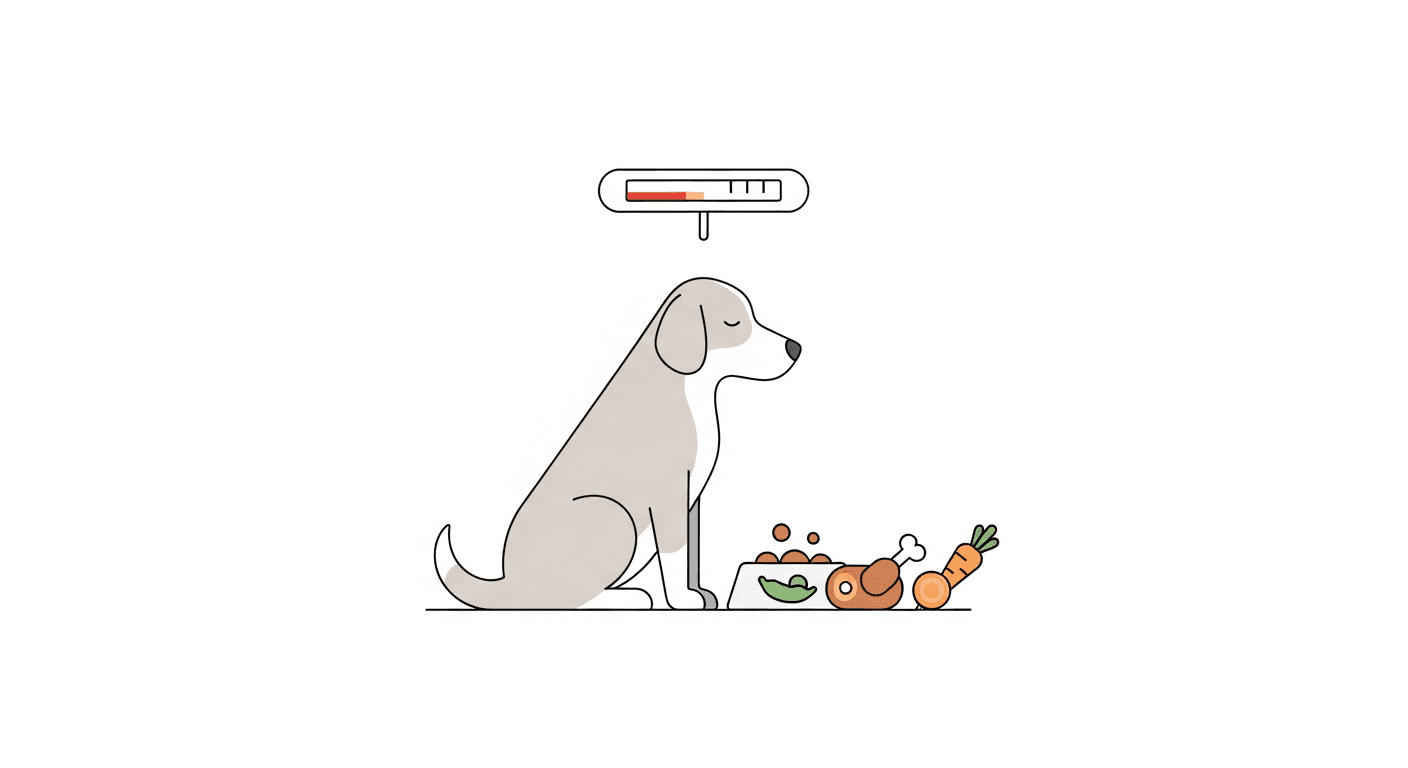
Canine Diabetes: How It Differs from Feline Diabetes
Diabetes mellitus in dogs is almost exclusively Type 1 (insulin-dependent) — the pancreatic beta cells are destroyed (often by chronic pancreatitis or immune-mediated disease), and the dog can no longer produce insulin. This means that virtually all diabetic dogs require insulin injections for life. Unlike cats, where some cases can go into remission with appropriate diet and weight loss, canine diabetes is permanent in the vast majority of cases.
Diet in diabetic dogs serves a specific purpose: to smooth out blood glucose fluctuations and reduce the insulin dose required to maintain regulation. A well-chosen diet simplifies management; a poor diet makes even perfect insulin timing difficult to compensate for.
Managing a diabetic dog requires a strong partnership with your veterinarian. Book a vet appointment at Happy Paws to establish your dog's glucose curve and feeding protocol. Log every meal and insulin dose with the TailRounds Daily Log — this data is invaluable for dose adjustments.
The Two Cardinal Rules of Diabetic Dog Feeding
Rule 1: Consistency above everything else. The most important dietary principle for diabetic dogs is feeding exactly the same food, in exactly the same amount, at exactly the same time every day. Glucose regulation in dogs is tied to insulin timing — if meal size or composition varies significantly, the same insulin dose produces different results. Variability is the enemy of diabetes control.
Rule 2: Feed in coordination with insulin injections. Most dogs receive insulin twice daily. The standard protocol is to feed half the daily ration immediately before each insulin injection. This ensures food is being absorbed when the insulin is active — reducing the risk of hypoglycemia (dangerous low blood sugar) from insulin without food.
Ideal Nutritional Profile for Diabetic Dogs
| Nutrient | Target | Rationale |
|---|---|---|
| Fiber (total dietary) | High: 15–25% DM | Slows glucose absorption; reduces post-meal glucose spike |
| Complex carbohydrates | Moderate, low-glycemic | Slower glucose release than simple sugars |
| Simple sugars | Minimal to none | Cause rapid, unpredictable glucose spikes |
| Protein | High: 25–35% DM | Supports lean muscle; minimal direct glucose impact |
| Fat | Moderate: 10–15% DM | Many diabetics are prone to pancreatitis — avoid high-fat |
| Calories | At ideal body weight target | Obesity worsens insulin resistance |
Best Food Choices for Diabetic Dogs
Prescription diabetic diets (first choice):
- Hill's Prescription Diet w/d (high fiber, moderate calorie)
- Royal Canin Glycobalance (glucose-moderating fiber blend)
- Purina Pro Plan Veterinary Diets OM or EN GastroIntestinal
Commercial high-fiber alternatives: If prescription food is not accessible, look for foods where the first ingredient is a named meat protein, fiber content is at least 8–10% (as-fed), and simple sugars and syrup are not listed in ingredients. Many "light" or "weight management" formulas are adequate for mild diabetic cases.
Foods to strictly avoid:
- Semi-moist foods (typically very high in sugar — corn syrup is a primary ingredient)
- Any treats containing sugar, molasses, corn syrup, or honey
- Table scraps with starchy or sugary foods
- High-fat foods (risk of pancreatitis — a major cause of diabetes and a serious complication)
- Fruit in large amounts (natural sugars)
Monitoring and Adjusting the Diabetic Dog Diet
- Once the diet is established, do not change food brands or formulas without consulting your vet — even switching flavors can alter fiber and carb content enough to affect glucose regulation
- Weigh food using a digital scale for every meal — volume measurements introduce too much variability
- If your dog refuses a meal, contact your vet before giving insulin — skipping a dose is safer than giving insulin to a dog that hasn't eaten
- Home glucose monitoring (ear or paw pad prick with a pet glucometer) can be learned and significantly improves management quality
- Fructosamine measurements every 2–3 months reflect average blood glucose over the prior 2–3 weeks — more informative than single glucose measurements
Document every meal, insulin dose, and glucose reading in the TailRounds Daily Log and bring this record to every vet appointment. Find a Clinic near you for glucose curve monitoring and dose adjustments.
Continue Reading
 🥩 Pet Nutrition
How Much to Feed Your Dog: A Complete Portion Size Guide
Learn how to calculate the right food portions for your dog based on weight, age, breed, and activity level. Avoid overfeeding and underfeeding.
 🥩 Pet Nutrition
Diet Changes for Senior Dogs: What to Feed an Aging Dog
Learn how a senior dog's nutritional needs change with age, and how to adjust diet, portions, and food types to support health and longevity after age 7.
 🥩 Pet Nutrition
Weight Loss Diet for Overweight Dogs: A Vet-Approved Guide
Help your overweight dog lose weight safely with this complete guide to calorie reduction, food choices, feeding strategies, and exercise recommendations.
 🥩 Pet Nutrition
How to Read Pet Food Ingredient Labels: A Complete Owner's Guide
Decode pet food labels with confidence. Learn what AAFCO statements mean, how ingredients are listed, what marketing terms actually mean, and red flags to avoid.