
When Does a Dog Become "Senior"?
The definition of "senior" varies significantly by body size. Smaller dogs age more slowly than large dogs — a 7-year-old Chihuahua is far more youthful than a 7-year-old Great Dane, which may already be entering the twilight of its life.
| Breed Size | Senior Designation | Life Expectancy |
|---|---|---|
| Small (under 10 kg) | ~10–11 years | 12–16 years |
| Medium (10–25 kg) | ~8–9 years | 10–14 years |
| Large (25–45 kg) | ~7–8 years | 9–12 years |
| Giant (over 45 kg) | ~5–6 years | 7–10 years |
As dogs age, their metabolism, organ function, digestive efficiency, and sensory capabilities change — all of which have dietary implications. Use the TailRounds Daily Log to track your senior dog's appetite, weight, and symptoms, and Book a vet appointment at Happy Paws for a senior wellness screening including bloodwork.
How a Senior Dog's Nutritional Needs Change
Protein: There is a common myth that senior dogs need less protein to protect aging kidneys. Current veterinary nutritional science does not support this for otherwise healthy senior dogs. In fact, seniors are often less efficient at digesting and utilizing protein, meaning they may need the same or higher protein levels (25–30% DM) with highly digestible animal-source protein. Only dogs with diagnosed kidney disease require protein restriction.
Fat and calories: Many senior dogs have decreased activity levels and a slower metabolism, predisposing them to weight gain. Caloric intake should be reduced by 10–20% for sedentary seniors. However, some senior dogs — particularly giant breeds in their late years — lose weight due to muscle wasting and benefit from higher-calorie, higher-protein diets.
Phosphorus: Even in dogs without kidney disease, moderately reduced phosphorus intake (0.5–0.8% DM) is a reasonable precaution as kidney filtration typically declines with age. Avoid very high-phosphorus diets (raw meaty bones, organ-heavy diets) in dogs over 10.
Joint-supporting nutrients: Glucosamine (500–1000 mg/day), chondroitin (400–800 mg/day), and omega-3 fatty acids (EPA + DHA from fish oil, 30–50 mg/kg/day) all have evidence for supporting joint health in senior dogs. Many senior dog foods include these — check the label, and supplement if quantities are inadequate.
Antioxidants: Vitamins E and C, beta-carotene, selenium, and polyphenols support immune function and cognitive health in aging dogs. Look for foods that include fruits and vegetables as functional ingredients, not just fillers.
Common Health Conditions That Affect Senior Dog Diet
- Obesity: Reduce caloric density, increase fiber, switch to a weight management formula. Use puzzle feeders to slow eating.
- Dental disease: Switch to wet food or soften kibble with warm water if chewing is painful. Dental disease affects over 80% of dogs over 3 years old.
- Kidney disease (CKD): Requires prescription low-phosphorus, moderate-protein diet. See our dedicated kidney diet guide.
- Diabetes: Consistent feeding schedule, low glycemic diet, high fiber, complex carbohydrates. See our diabetic dog diet guide.
- Cognitive Dysfunction Syndrome (dog dementia): Diets rich in medium-chain triglycerides (MCT oil), antioxidants, B vitamins, and omega-3s support brain health. Hill's b/d and Royal Canin Mature Consult are formulated with this in mind.
- Pancreatitis: Low-fat diet (under 10% DM fat), consistent moderate portions, no table scraps.
- Hypothyroidism: Managed via medication, but weight gain requires caloric restriction.
Practical Senior Dog Feeding Recommendations
- Schedule bi-annual senior wellness exams including bloodwork (kidney, liver, thyroid panels)
- Feed 2–3 smaller meals per day rather than one large meal — aids digestion and blood sugar stability
- Monitor weight monthly and track trends — unintended weight loss is a red flag in seniors
- Keep fresh water accessible at multiple locations — seniors drink less and may have mobility limitations
- Transition to a senior-specific diet gradually unless a medical condition requires rapid change
- Consult a vet before starting any supplement regimen — interactions are possible
A proactive nutritional strategy in the senior years can add meaningful quality time to your dog's life. Find a Clinic near you to schedule a senior nutritional consultation, and use the TailRounds Daily Log to document daily eating habits between visits.
Continue Reading
 🥩 Pet Nutrition
How Much to Feed Your Dog: A Complete Portion Size Guide
Learn how to calculate the right food portions for your dog based on weight, age, breed, and activity level. Avoid overfeeding and underfeeding.
 🥩 Pet Nutrition
Kidney-Supportive Diet for Dogs: What to Feed and What to Avoid
Learn how the right diet can slow kidney disease progression in dogs. Covers phosphorus restriction, protein levels, hydration, and prescription renal diets.
 🥩 Pet Nutrition
Diet for Diabetic Dogs: What to Feed and How to Manage Blood Sugar
Manage your diabetic dog's diet with this complete guide covering food types, feeding schedules, fiber, glycemic index, and how diet interacts with insulin therapy.
 🥩 Pet Nutrition
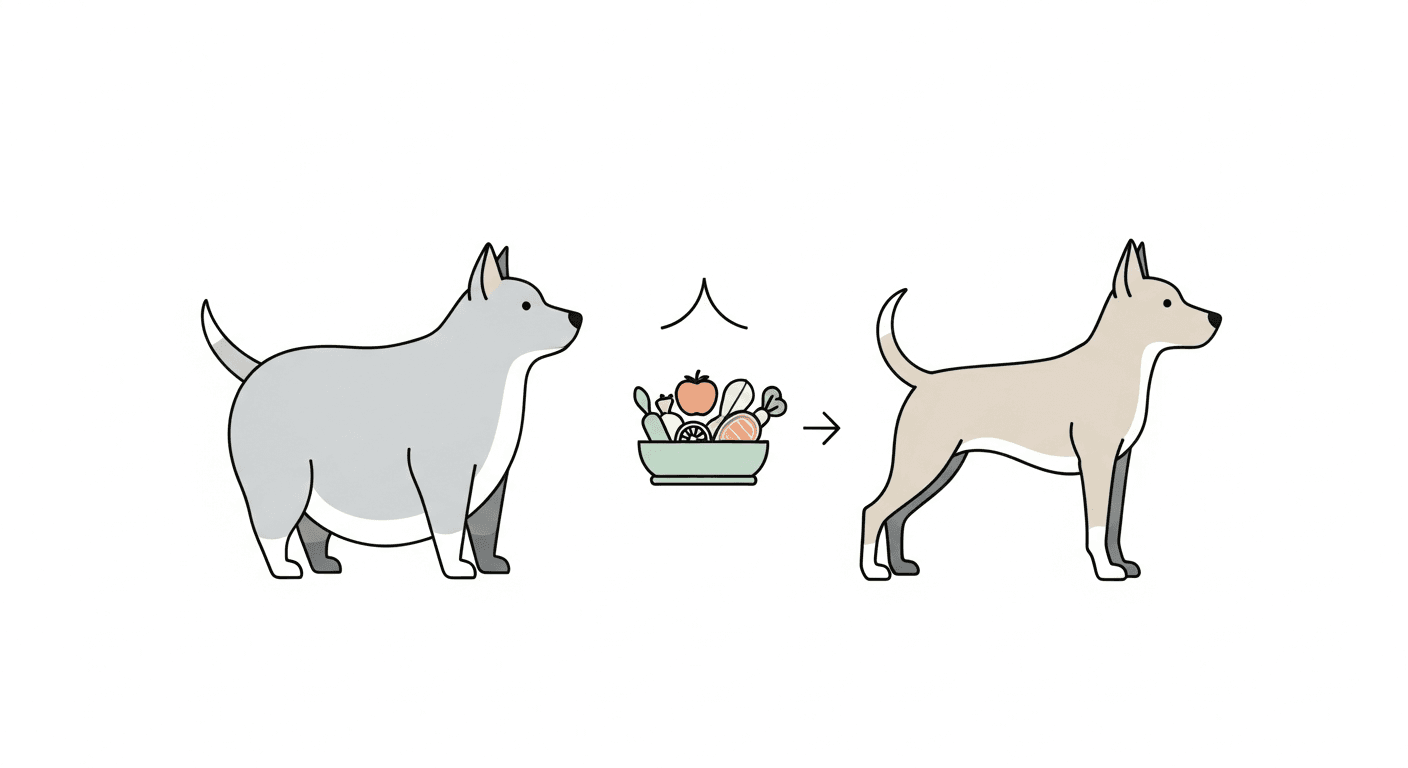
Weight Loss Diet for Overweight Dogs: A Vet-Approved Guide
Help your overweight dog lose weight safely with this complete guide to calorie reduction, food choices, feeding strategies, and exercise recommendations.