
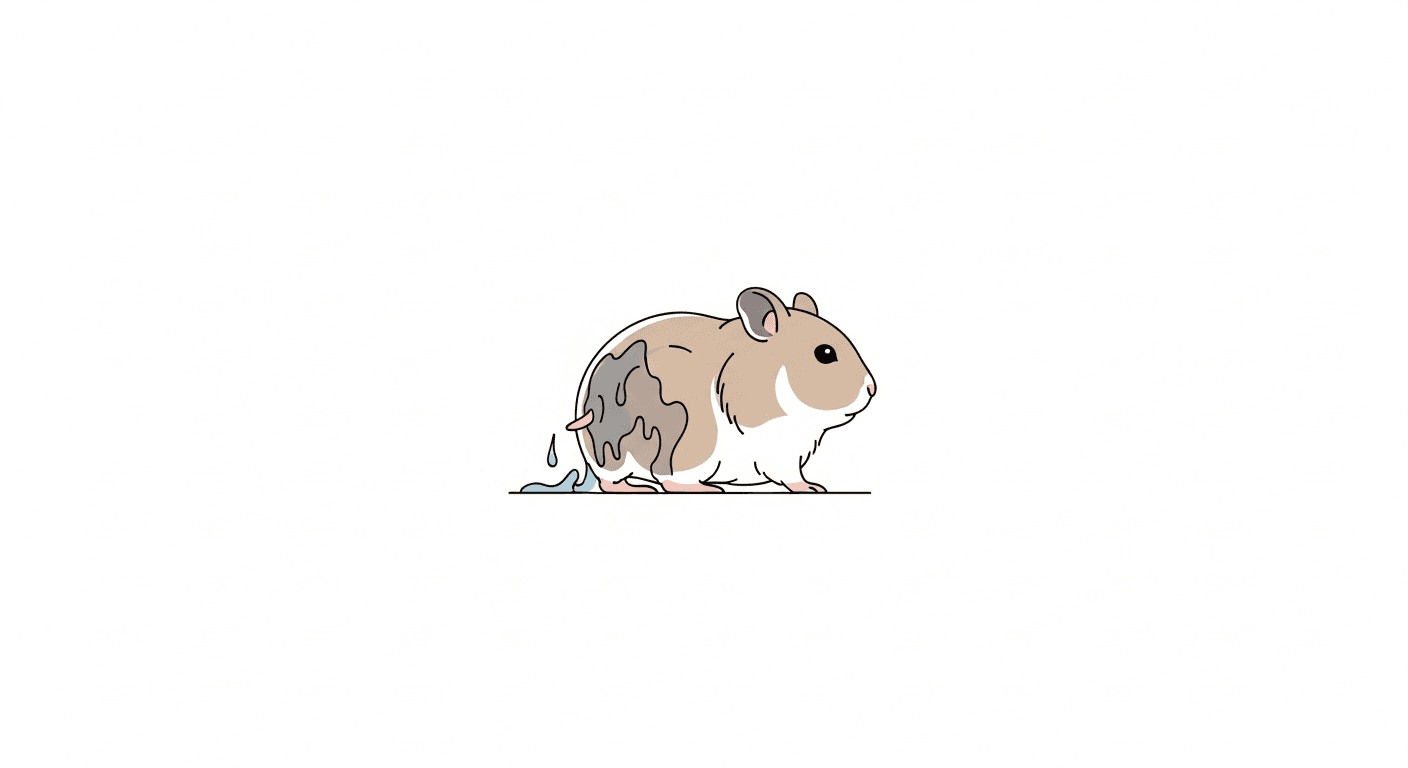
What Is Wet Tail?
Wet tail is the colloquial name for proliferative ileitis — a bacterial infection of the intestinal lining, most commonly caused by Lawsonia intracellularis, that primarily affects Syrian hamsters between 3 and 8 weeks of age. The name comes from the wet, fecal-soiled tail fur that results from severe, watery diarrhea. The condition progresses with frightening speed — a hamster can be dead within 24–48 hours of showing first symptoms. Mortality in untreated cases approaches 90%. With prompt veterinary treatment, approximately 50% of hamsters survive. Time is absolutely critical.
Signs of Wet Tail
- Wet, soiled, or matted fur around the tail and hindquarters
- Strong, foul odor from the affected area
- Severe lethargy — hamster sits hunched and doesn't react to stimulation
- Not eating or drinking
- Ruffled fur, eyes partially closed
- Prolapsed rectum in severe cases
First 3 Steps to Take at Home
- Go to the vet immediately — do not wait even a few hours: Wet tail kills rapidly. If you notice a wet or soiled tail in a young hamster, this is a same-hour emergency, not a next-day appointment.
- Keep the hamster warm during transport: Sick hamsters lose heat rapidly. Warm a small towel or heat pack (not hot — warm) and place it under one side of the carrier to allow the hamster to self-regulate temperature during transport.
- Do not give over-the-counter treatments: Online suggestions to give anti-diarrhea medications without veterinary guidance are dangerous. Wet tail treatment requires veterinary-prescribed antibiotics, fluids, and supportive care.
When to Go to the Vet Immediately
Any wet or soiled tail in a hamster under 6 months is a same-hour veterinary emergency. Every hour without treatment significantly reduces survival odds.
Follow-Up Care Checklist
- Complete the full antibiotic course even if the hamster appears to improve
- Keep the enclosure meticulously clean during recovery — fecal contamination reinfects the hamster
- Offer easily digestible foods: plain cooked rice, boiled chicken, soft vegetables
- Stress is the primary trigger — minimize handling and keep the environment calm during recovery
Track Recovery with TailRounds
Log hydration, food intake, tail condition, and energy level every 4–6 hours during active wet tail treatment using the TailRounds Daily Log.
Book a Vet Appointment
Wet tail is always an emergency. Contact Happy Paws immediately — do not wait for a standard appointment. Our exotic team can treat wet tail with the urgency it requires.
Summary for Your Clinic Visit
Tell the vet the hamster's age, when you first noticed the wet fur, the current level of alertness, and whether any treatment has been given. Bring the hamster in a warm carrier.
Continue Reading
 🐭 Hamster Health
Hamster Not Eating: Causes and What to Do
A hamster that stops eating quickly loses dangerous weight. Learn the common causes of appetite loss and when to seek urgent veterinary care.
 🐭 Hamster Health
Hamster Diarrhea: Causes, Treatment, and When It's an Emergency
Diarrhea in hamsters causes rapid dehydration. Learn to distinguish wet tail from other causes and how to respond appropriately to each.
 🐭 Hamster Health
Lethargic Hamster: Hibernation, Illness, or Torpor?
A hamster that won't move may be sleeping normally, entering torpor from cold, or seriously ill. Learn how to tell the difference and when to act.
 🐭 Hamster Health
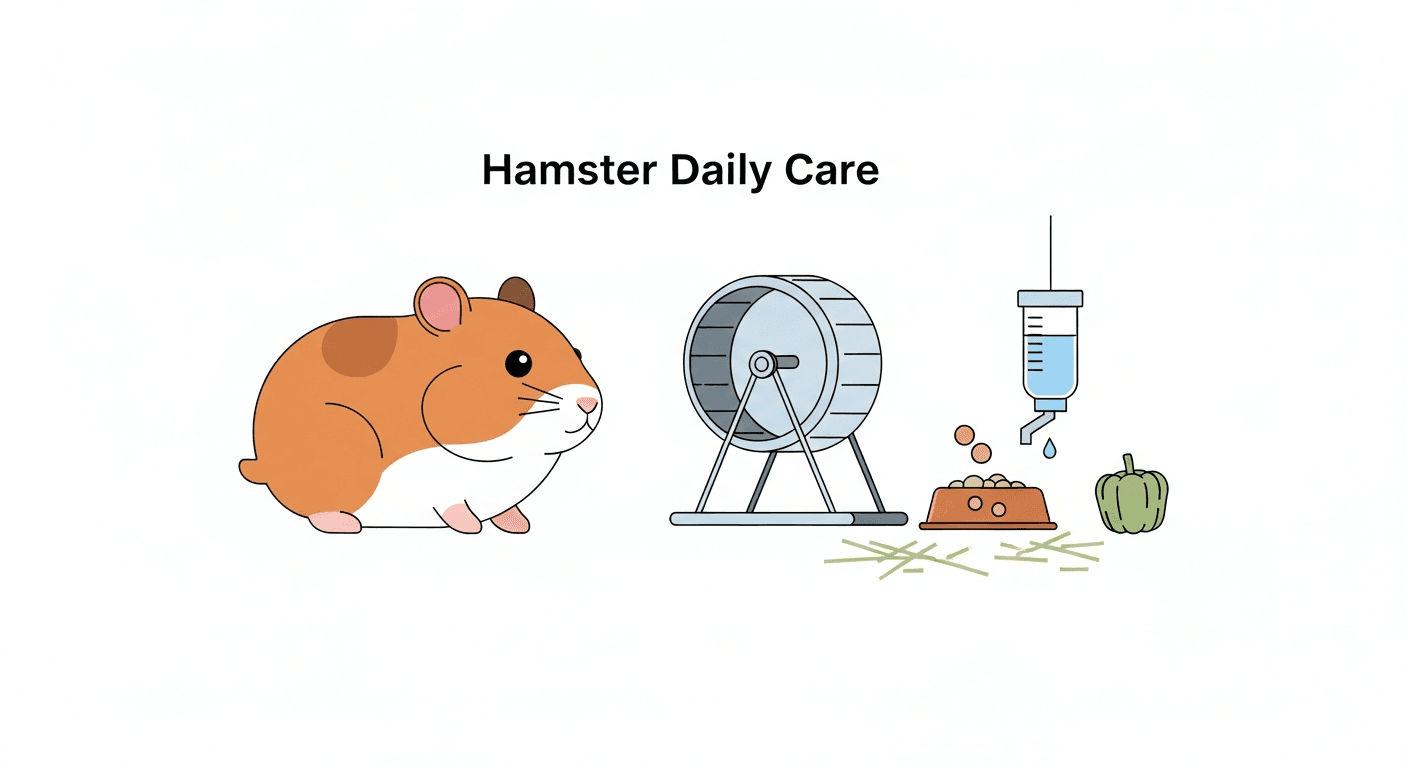
Daily Hamster Care Routine: Health Monitoring Checklist
A consistent daily routine is the best early warning system for hamster health problems. Learn what to check every day and how to build a baseline.