

Why Hamster Food Refusal Is Always Serious
Hamsters have extremely high metabolic rates and very limited fat reserves. A hamster that stops eating for 24–48 hours is already losing dangerous amounts of body mass. Because hamsters instinctively hide illness — a prey animal survival behavior — a hamster that is visibly unwell has often already been sick for some time. Sudden appetite loss should always be investigated the same day, not monitored over several days.
Common causes include dental problems (tooth overgrowth or abscesses), wet tail (especially in young hamsters), respiratory infections, internal abscesses, tumors, and hibernation attempts in cold conditions.
First 3 Steps to Take at Home
- Check the temperature: Hamsters can enter a torpor (false hibernation) state when temperatures drop below 15°C. A hamster in torpor may appear dead — cold, rigid, barely breathing. Warm it slowly in your hands and it should revive. If this occurs, move the hamster's housing to a warmer location (18–22°C).
- Offer a variety of foods: Offer soft foods alongside normal diet — a small amount of plain cooked egg, a piece of cucumber, or a small amount of baby food (plain vegetable). Note whether the hamster approaches and shows interest but then turns away (dental pain) versus shows no interest at all (systemic illness).
- Check for diarrhea: Wet tail (proliferative ileitis) in young hamsters causes severe diarrhea, rapid deterioration, and requires immediate veterinary care. Check the tail and bottom for any wetness or soiling.
When to Go to the Vet Immediately
- Not eating for more than 24 hours
- Wet or soiled tail area (wet tail)
- Visible weight loss or hunched appearance
- Any respiratory symptoms alongside not eating
- Lump or swelling anywhere on the body
Follow-Up Care Checklist
- Maintain temperature at 18–22°C — both too cold (torpor) and too warm (heat stroke) suppress eating
- Offer soft, high-energy foods during recovery if prescribed
- Syringe feeding may be needed for a hamster that won't eat voluntarily — your vet can show you how
- Follow all medication schedules precisely
Track Eating with TailRounds
Log daily food offered and estimated intake in the TailRounds Daily Log. This record helps your vet assess the duration and severity of appetite loss.
Book a Vet Appointment
A hamster that hasn't eaten in 24 hours needs to be seen today. Book at Happy Paws with our exotic animal team immediately.
Summary for Your Clinic Visit
Tell your vet when the hamster last ate, whether any foods are accepted, what other symptoms are present, the enclosure temperature, and the hamster's age.
Continue Reading
 🐭 Hamster Health
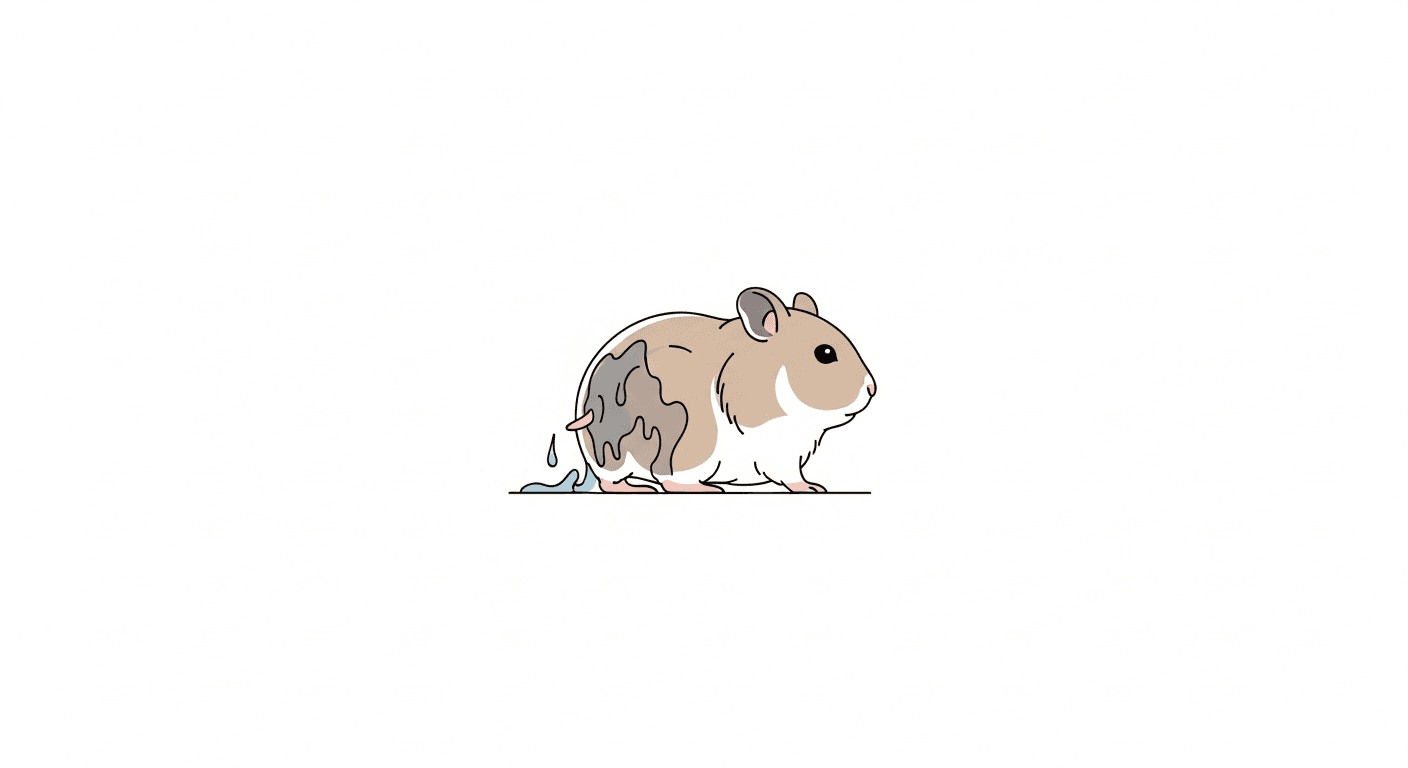
Wet Tail in Hamsters: Emergency Recognition and Treatment
Wet tail is the most common cause of death in young hamsters. Learn to recognize it within the first hours and why immediate treatment is essential.
 🐭 Hamster Health
Hamster Dental Problems: Overgrown Teeth and Cheek Pouch Issues
Hamsters have continually growing teeth and large cheek pouches that can develop serious problems. Learn the signs and how dental disease is treated.
 🐭 Hamster Health
Hamster Weight Loss: Causes and How to Monitor Effectively
Weight loss in hamsters is a serious sign — their small size means even small losses are significant. Learn to detect and respond to weight loss early.
 🐭 Hamster Health
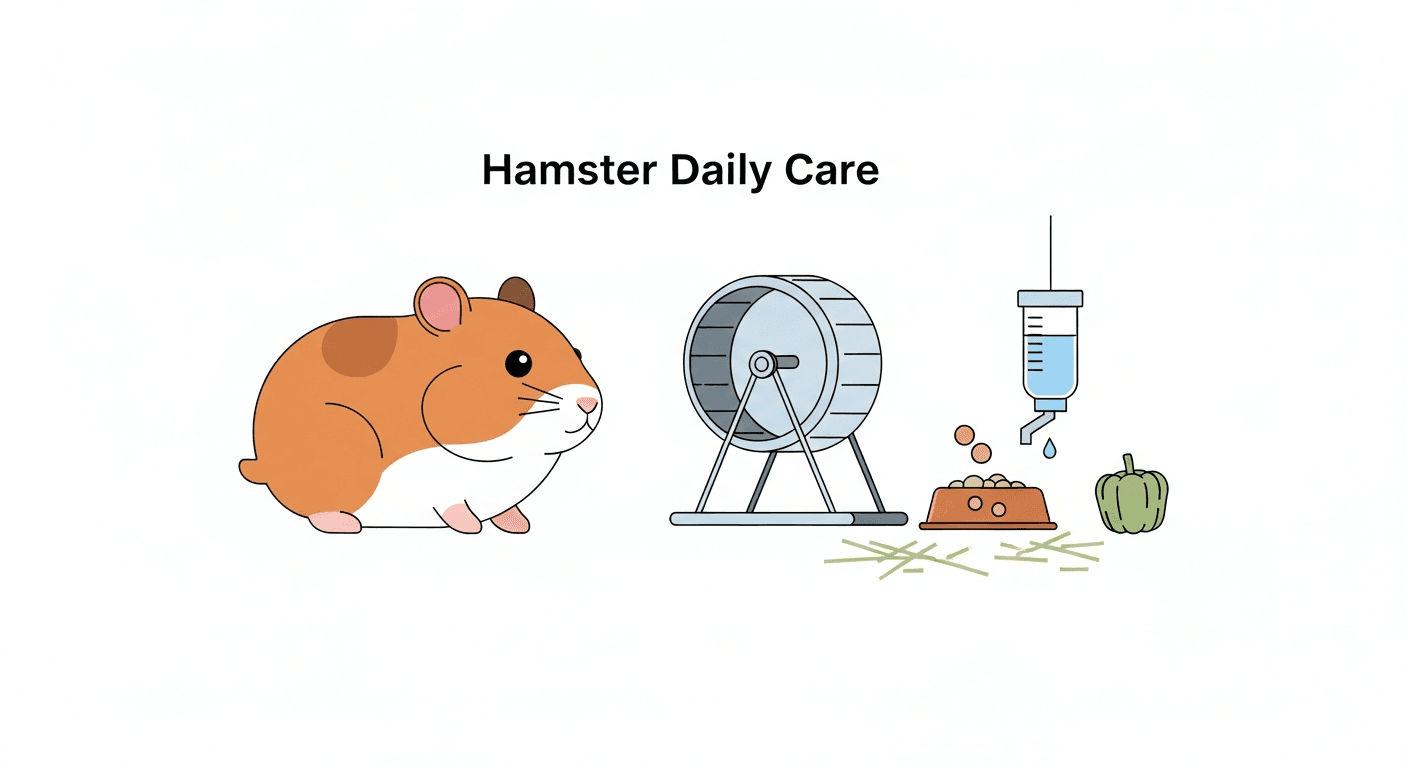
Daily Hamster Care Routine: Health Monitoring Checklist
A consistent daily routine is the best early warning system for hamster health problems. Learn what to check every day and how to build a baseline.