
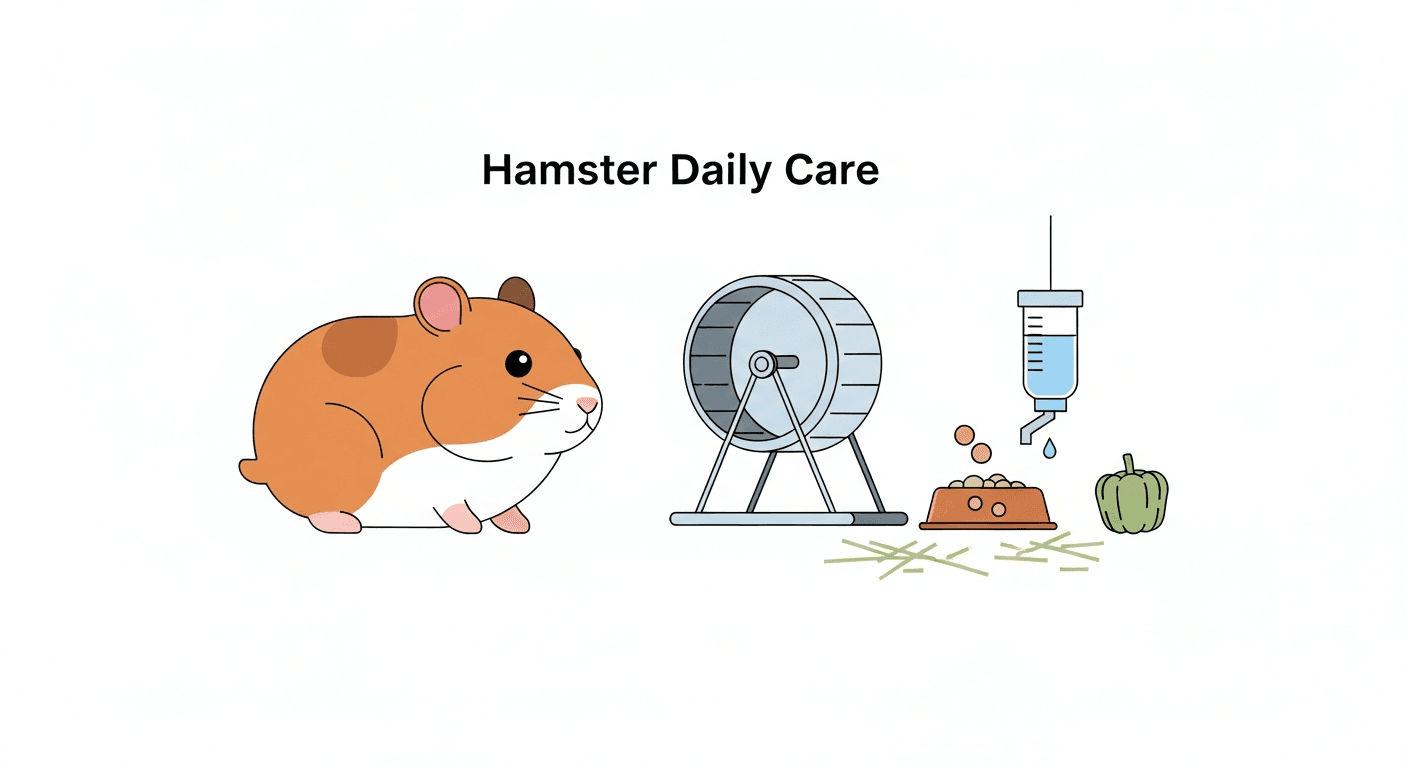
Why a Daily Routine Matters for Hamsters
Hamsters mask illness extremely well. A hamster that appears fine in the evening may be seriously unwell — but because hamsters instinctively hide weakness, the signs may be subtle. A consistent daily routine gives you a reliable baseline and makes changes obvious. It also means you interact with your hamster daily, which both provides enrichment and gives you regular observation opportunities.
The Daily Hamster Care Routine
- Evening food check (when hamsters are naturally active): Hamsters are crepuscular/nocturnal. Check in the evening. Is the hamster out and active? Is the food bowl being visited? Check the water bottle to confirm it's flowing. Refill food if caches are clearly depleted.
- Brief physical observation: Note overall appearance. Is the coat smooth and clean? Are both eyes open? Is the hamster moving normally? Any wetness around the tail? These 30-second observations build your baseline of "normal."
- Clean the toilet corner: Hamsters typically choose a corner to use as a toilet. Spot-clean this area daily — accumulated urine and feces increase ammonia levels that contribute to respiratory irritation.
- Provide fresh food and water: Replace any perishable foods that haven't been consumed. Refill the water bottle. Offer a small fresh vegetable piece 3–4 times per week.
Weekly Checks
- Weigh the hamster (same time, same day each week)
- Full bedding change in the toilet corner; partial change elsewhere
- Check the wheel for cleanliness and proper function
- Inspect the teeth briefly if possible
- Feel along the body for any new lumps or changes in older hamsters
When to Call the Vet
- Hamster not emerging for food during its active period
- Any wetness around the tail
- Respiratory sounds or discharge
- New lump found
- Weight loss detected on weekly weighing
Track Daily Care with TailRounds
The TailRounds Daily Log is designed for exactly this routine. Log food consumption, activity, and any observations every day to build a health baseline that makes changes obvious.
Book a Vet Appointment
Annual wellness exams for hamsters are recommended — and more frequent for seniors. Book at Happy Paws with our exotic animal team.
Summary for Your Clinic Visit
Bring your daily log, note the last time the hamster's weight was stable, and prepare specific behavioral or physical observations that have concerned you.
Continue Reading
 🐭 Hamster Health
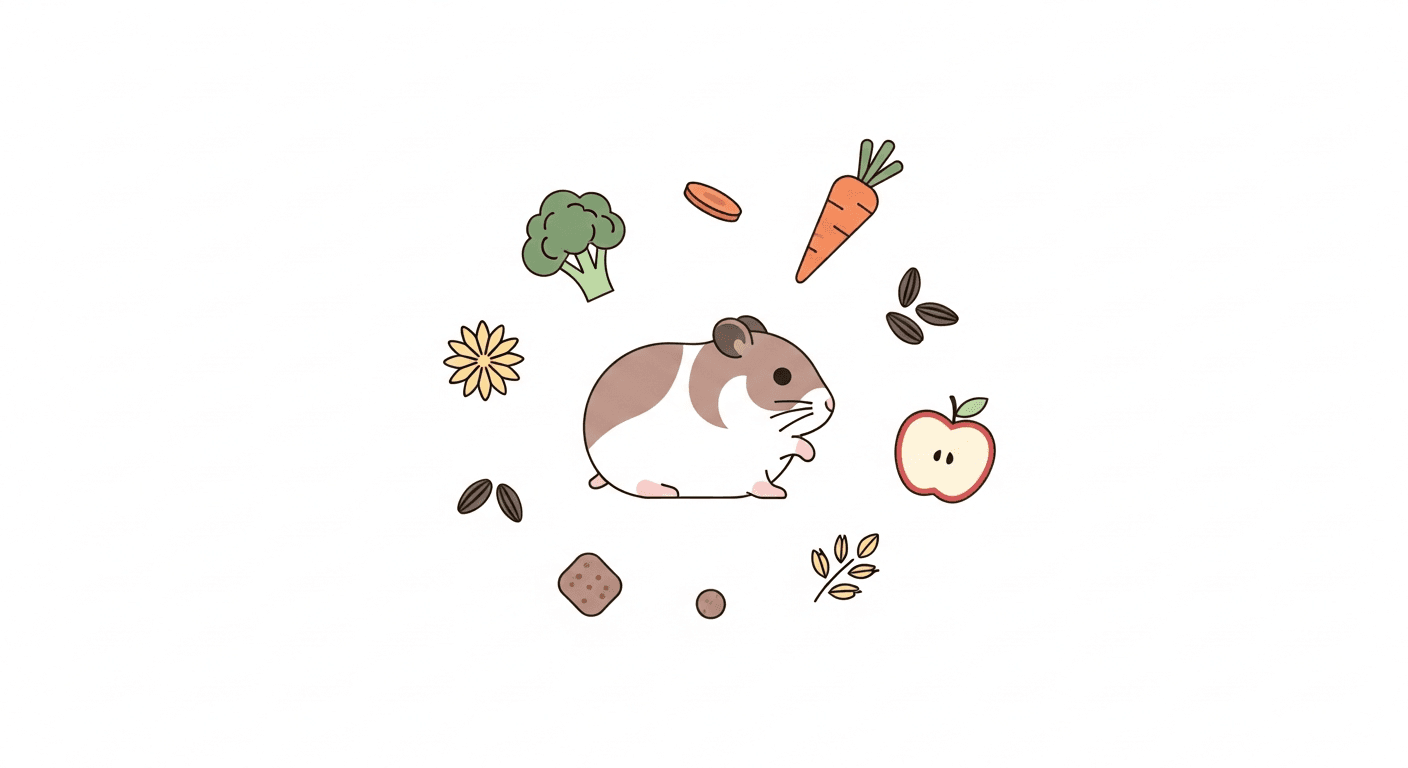
Hamster Diet Guide: What to Feed for Optimal Health
The right diet prevents common hamster diseases. Learn which foods are safe, which cause diabetes and obesity, and how to provide variety safely.
 🐭 Hamster Health
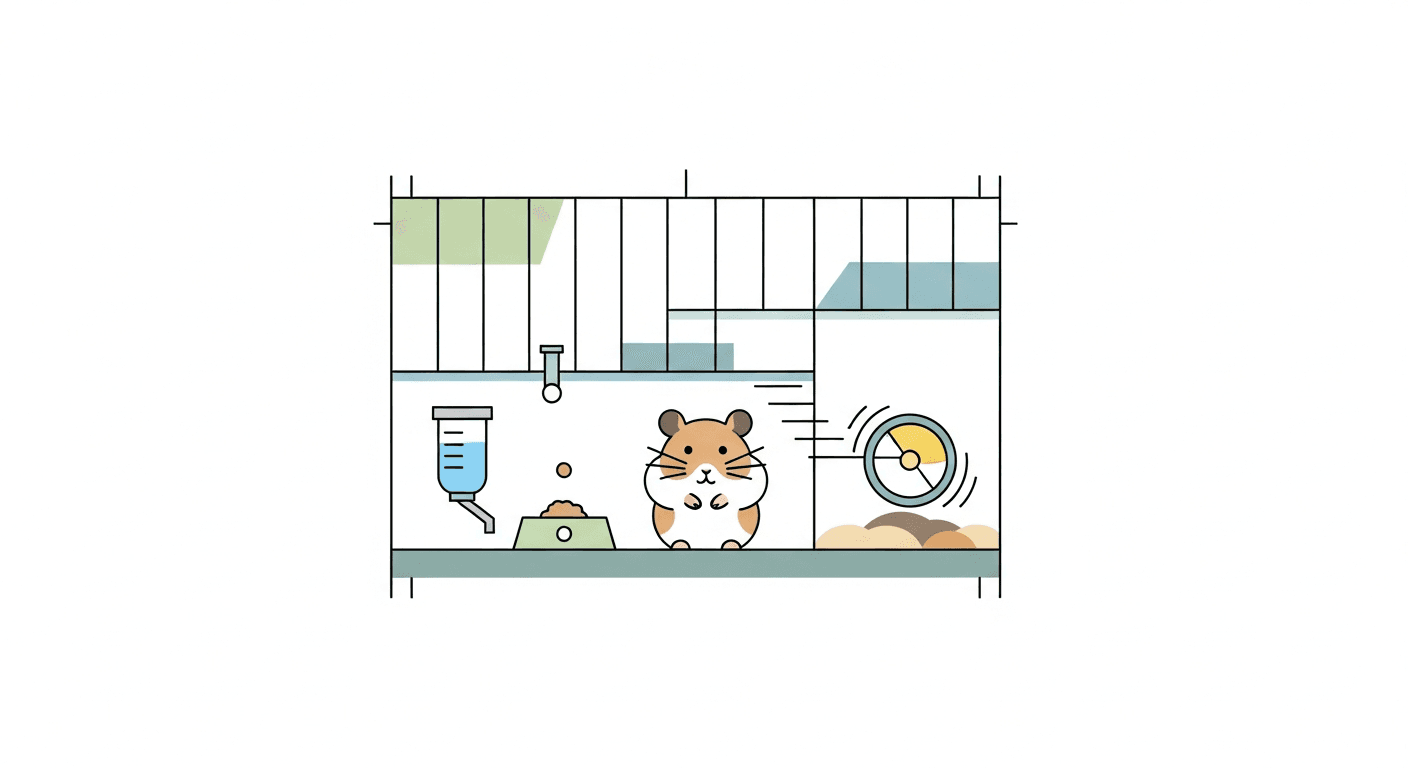
Hamster Housing Guide: Cage Size, Bedding, and Enrichment
Most commercial hamster cages are too small and cause chronic stress. Learn what hamsters actually need for space, bedding depth, and environmental enrichment.
 🐭 Hamster Health
Hamster Not Eating: Causes and What to Do
A hamster that stops eating quickly loses dangerous weight. Learn the common causes of appetite loss and when to seek urgent veterinary care.
 🐭 Hamster Health
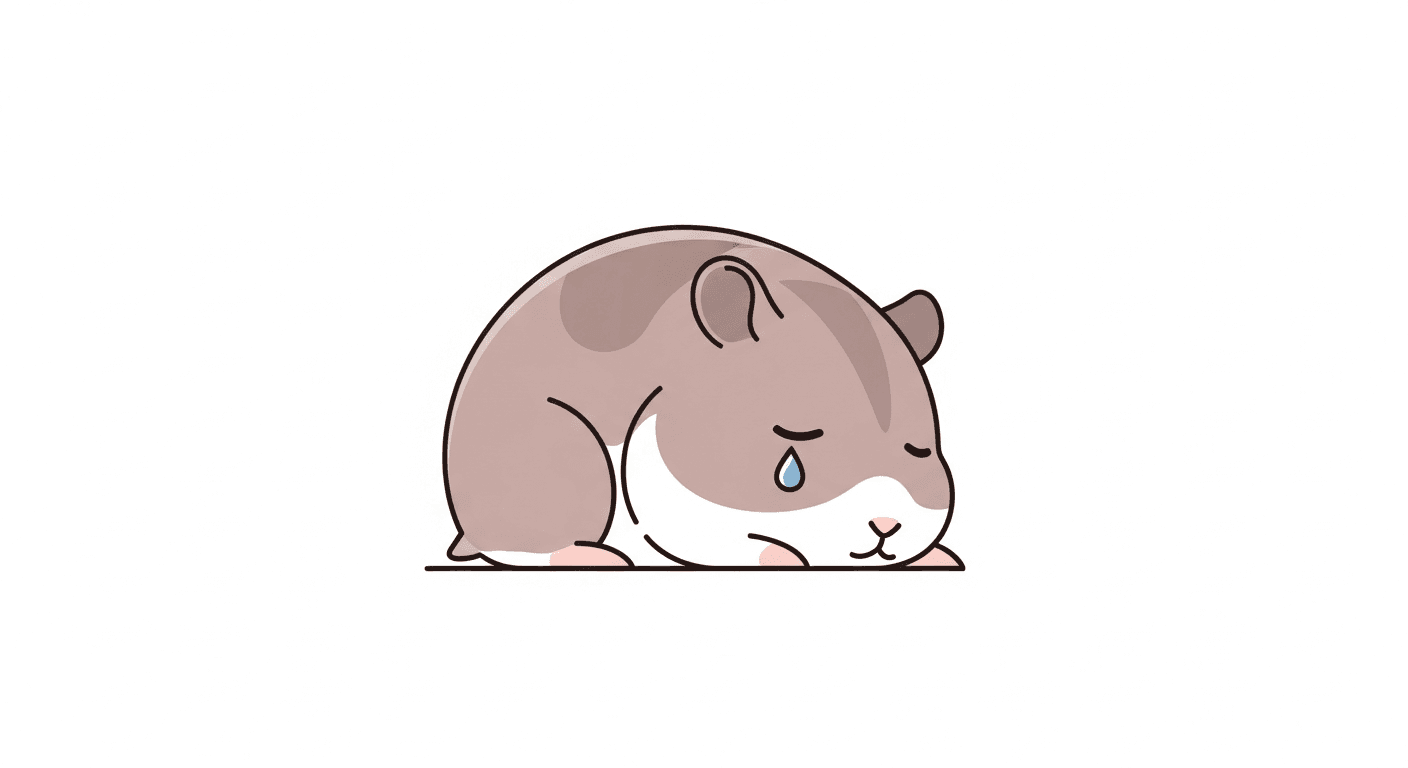
Lethargic Hamster: Hibernation, Illness, or Torpor?
A hamster that won't move may be sleeping normally, entering torpor from cold, or seriously ill. Learn how to tell the difference and when to act.