
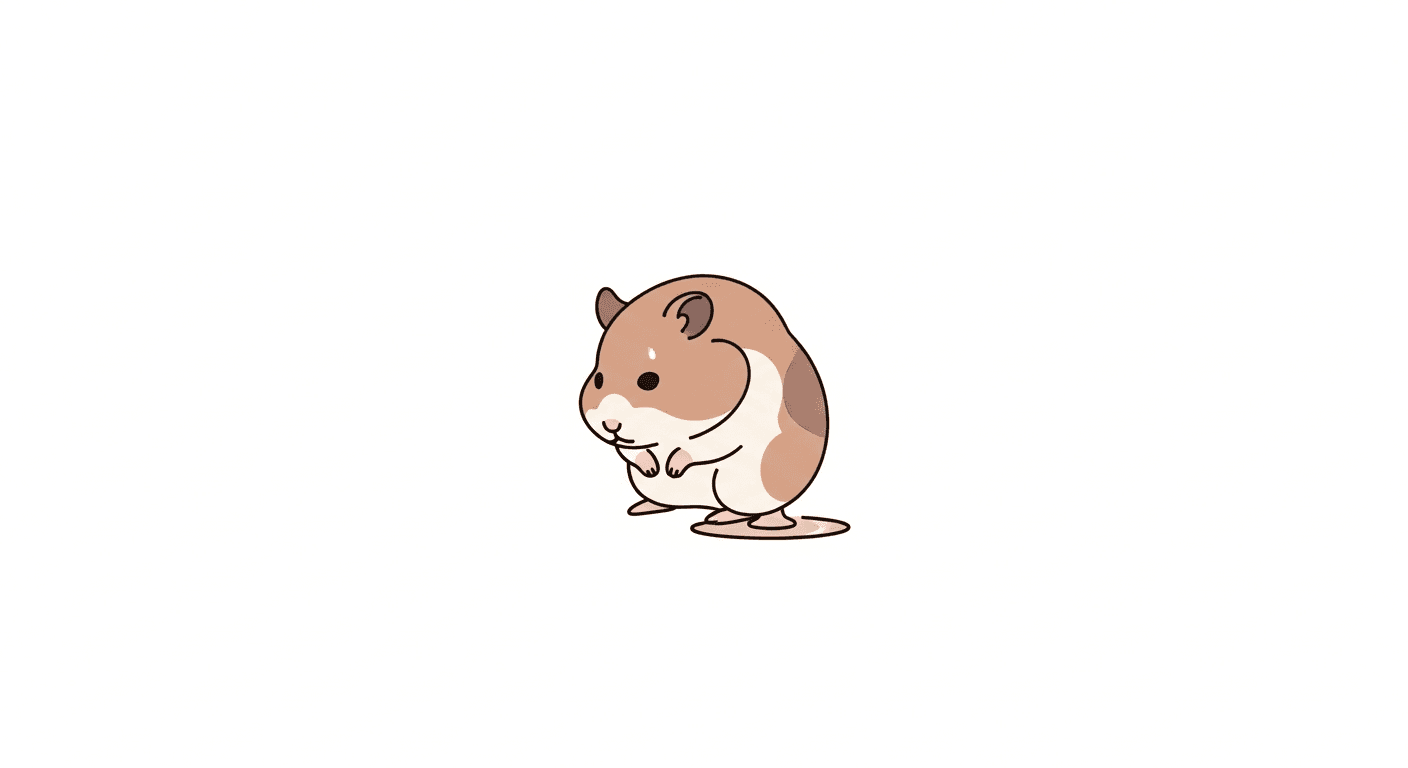
Causes of Diarrhea in Hamsters
Diarrhea in hamsters ranges from mild dietary-related soft stools to the life-threatening wet tail. Mild diarrhea causes include too many fresh vegetables (especially high-water-content ones), abrupt food changes, and stress from handling or environment changes. Moderate diarrhea may result from Salmonella, E. coli, or Campylobacter bacterial infections. The most severe form — watery diarrhea with tail soiling — is wet tail (proliferative ileitis), which is a veterinary emergency.
First 3 Steps to Take at Home
- Remove all fresh foods and treats: Temporarily return the hamster to dry food only (pellets/mix and hay). This removes dietary triggers. Fresh vegetables, fruit, and any moist foods should be withheld for 48 hours.
- Assess severity urgently: Is it mild soft stool or true liquid diarrhea? Does the tail fur appear wet or soiled? A wet, soiled tail is wet tail — call the vet now. Soft stool from diet can often be managed at home.
- Ensure hydration: Diarrhea depletes fluids rapidly in small animals. Provide fresh water in an accessible bottle. Offer a very small amount of diluted (1:1 with water) chamomile tea in addition to water — this has mild anti-inflammatory properties and many hamsters drink it.
When to Go to the Vet Immediately
- Any wet or soiled tail area — wet tail emergency
- Diarrhea for more than 24 hours despite dietary restriction
- Hamster is lethargic, hunched, or not eating alongside diarrhea
- Blood or mucus in the stool
- Young hamster (under 3 months) with any loose stool
Follow-Up Care Checklist
- Reintroduce fresh foods very gradually (one new item per week) after recovery
- Avoid high-water-content foods in large amounts — cucumber, melon, and watery fruits are common diarrhea triggers
- Keep the enclosure clean during diarrhea — fecal contamination prolongs illness
Track Stool with TailRounds
Log stool consistency, frequency, and tail condition daily during illness using the TailRounds Daily Log.
Book a Vet Appointment
Wet tail is always an emergency. Any diarrhea lasting more than 24 hours needs veterinary assessment. Book at Happy Paws immediately.
Summary for Your Clinic Visit
Tell your vet the hamster's age, when diarrhea started, whether the tail is wet or soiled, what foods have been given, and current hydration status.
Continue Reading
 🐭 Hamster Health
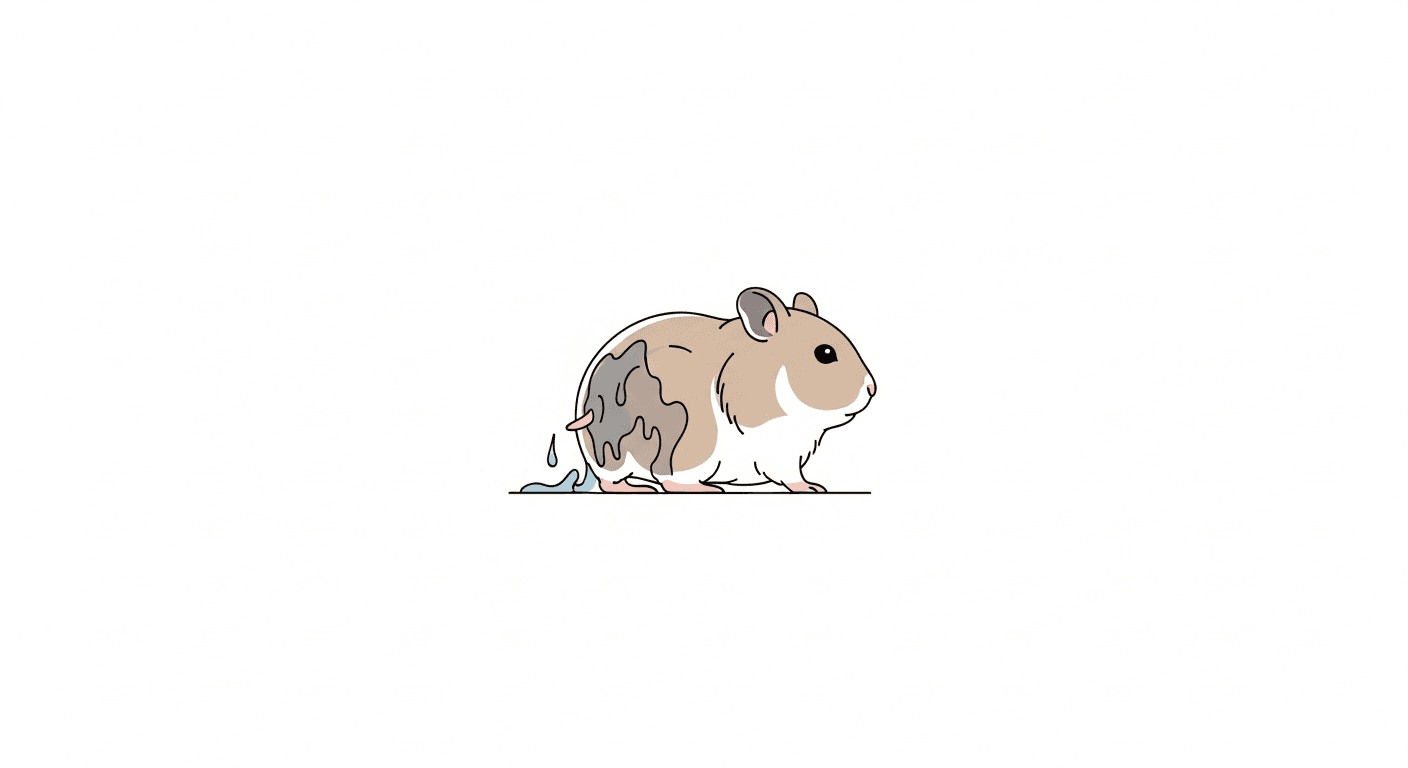
Wet Tail in Hamsters: Emergency Recognition and Treatment
Wet tail is the most common cause of death in young hamsters. Learn to recognize it within the first hours and why immediate treatment is essential.
 🐭 Hamster Health
Hamster Not Eating: Causes and What to Do
A hamster that stops eating quickly loses dangerous weight. Learn the common causes of appetite loss and when to seek urgent veterinary care.
 🐭 Hamster Health
Lethargic Hamster: Hibernation, Illness, or Torpor?
A hamster that won't move may be sleeping normally, entering torpor from cold, or seriously ill. Learn how to tell the difference and when to act.
 🐭 Hamster Health
Hamster Diet Guide: What to Feed for Optimal Health
The right diet prevents common hamster diseases. Learn which foods are safe, which cause diabetes and obesity, and how to provide variety safely.