

Understanding Hamster Activity Patterns
Hamsters are crepuscular and nocturnal — they're most active at dawn, dusk, and through the night. Finding a hamster sleeping deeply during the day is completely normal. However, there are three non-normal states that look similar and require different responses: torpor (cold-induced false hibernation), genuine illness-related lethargy, and death.
Torpor occurs when enclosure temperature drops below 15–18°C. The hamster's metabolic rate drops dramatically, it becomes cold and rigid, breathes very slowly (sometimes imperceptibly), and may appear dead. Unlike true hibernation, hamsters have not evolved to safely hibernate — prolonged torpor can be fatal. Warm the hamster slowly with your hands. If it revives within 5–10 minutes and moves normally, torpor was the cause — move the enclosure to a warmer location immediately.
First 3 Steps to Assess a Lethargic Hamster
- Check the temperature: Is the enclosure in a cold location (below 18°C)? Hold the hamster in your hands for 5 minutes. Is it warming up and starting to move? Torpor revives quickly with warmth. True illness does not.
- Check for breathing: Watch the chest carefully for movement. Touch the hamster gently — does it react at all? A hamster in torpor may react slowly to warmth. One that doesn't respond to any stimulation even after warming may be critically ill or may have died.
- Assess alongside other symptoms: Is there diarrhea, discharge, or visible wounds? Torpor is temperature-triggered and doesn't come with other symptoms. If other symptoms are present alongside lethargy, illness is the cause.
When to Go to the Vet Immediately
- Hamster doesn't revive after 10 minutes of gentle warming
- Lethargy combined with any other symptoms (wet tail, respiratory signs, wounds)
- Hamster is conscious but extremely weak or disoriented
Follow-Up Care Checklist
- After torpor episode: maintain enclosure at 18–22°C consistently, never below 15°C
- After illness-related lethargy resolves: continue monitoring eating, drinking, and activity for 1 week
Track Activity with TailRounds
Log observed activity time, temperature, and any lethargy episodes in the TailRounds Daily Log.
Book a Vet Appointment
Any lethargy that doesn't resolve with warming, or that's accompanied by other symptoms, needs same-day veterinary evaluation. Book at Happy Paws immediately.
Summary for Your Clinic Visit
Tell your vet the enclosure temperature, when you last saw the hamster active and eating, whether warming improved the situation, and any other symptoms observed.
Continue Reading
 🐭 Hamster Health
Hamster Not Eating: Causes and What to Do
A hamster that stops eating quickly loses dangerous weight. Learn the common causes of appetite loss and when to seek urgent veterinary care.
 🐭 Hamster Health
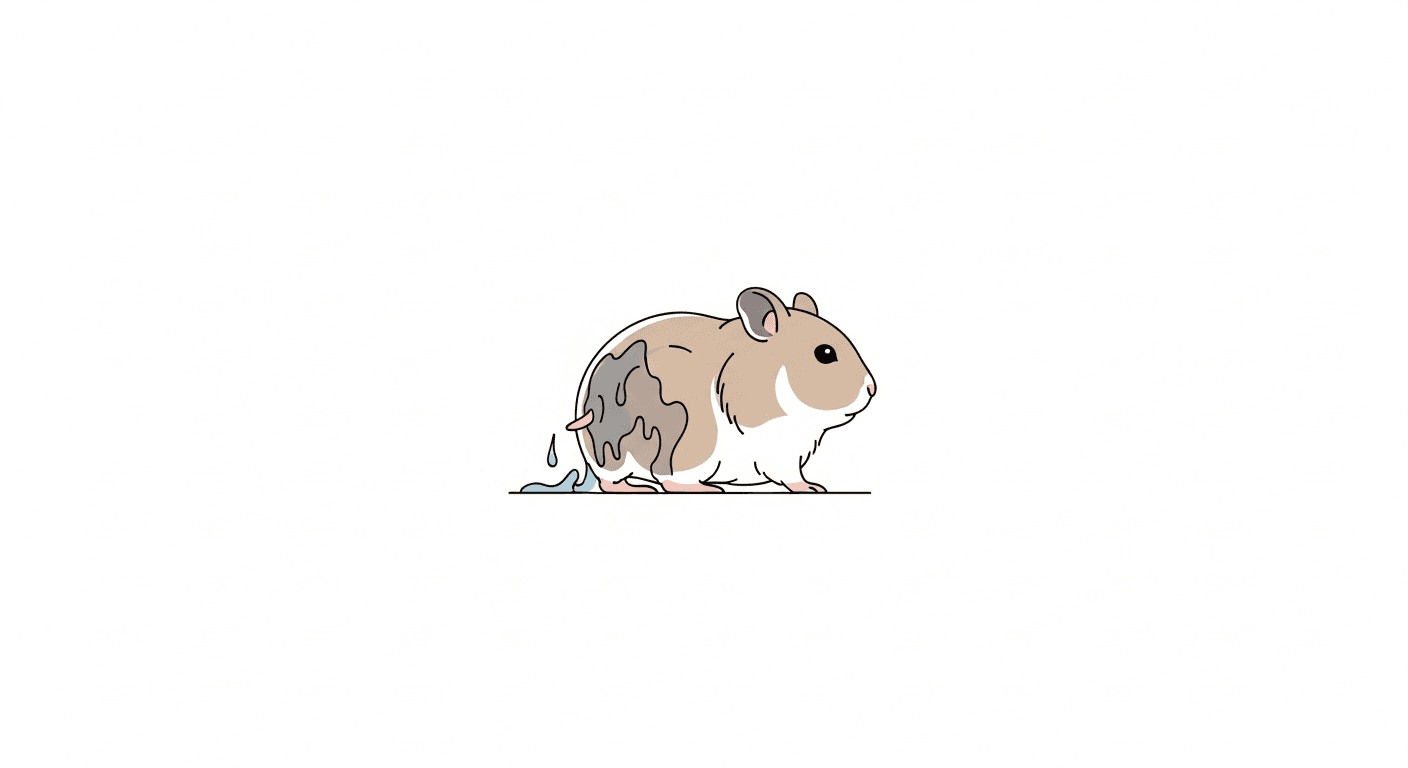
Wet Tail in Hamsters: Emergency Recognition and Treatment
Wet tail is the most common cause of death in young hamsters. Learn to recognize it within the first hours and why immediate treatment is essential.
 🐭 Hamster Health
Hamster Respiratory Infections: Signs and Urgent Treatment
Respiratory infections in hamsters deteriorate rapidly. Learn the early signs and why immediate veterinary care is critical.
 🐭 Hamster Health
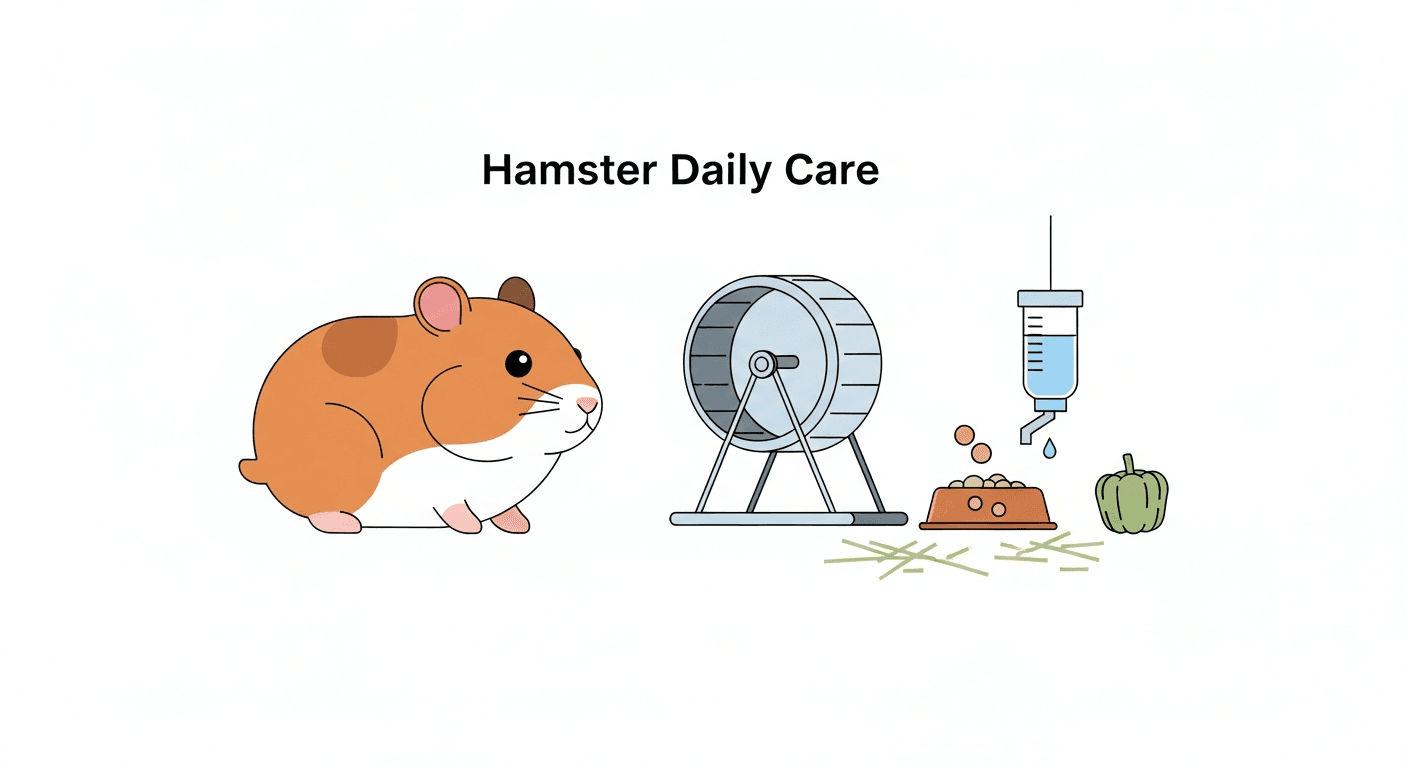
Daily Hamster Care Routine: Health Monitoring Checklist
A consistent daily routine is the best early warning system for hamster health problems. Learn what to check every day and how to build a baseline.