
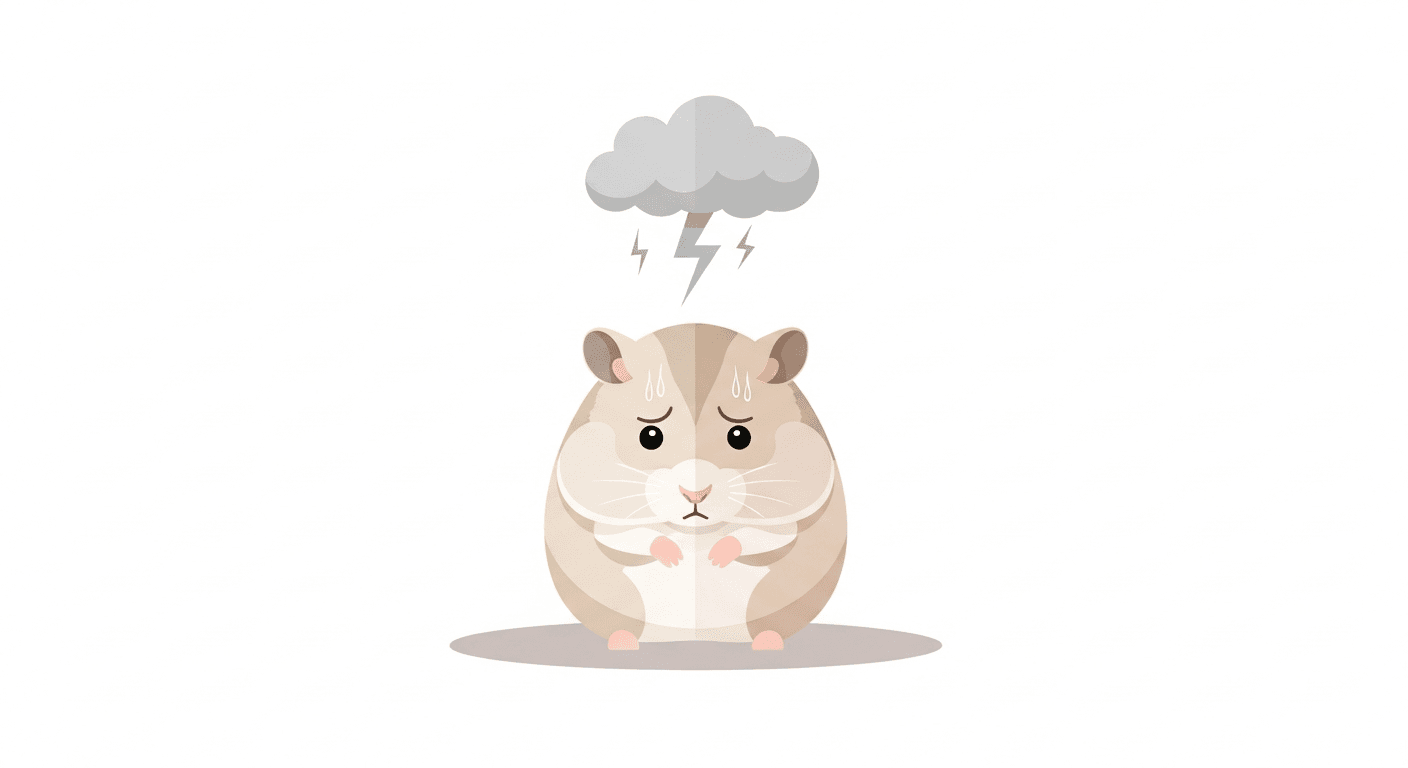
Why Stress Is So Harmful to Hamsters
Hamsters are prey animals with a highly sensitive stress response system. Chronic stress — from inadequate housing, excessive handling, improper lighting, temperature extremes, or cohabitation with another hamster (Syrian hamsters are solitary and fight when housed together) — elevates cortisol levels chronically. This suppresses the immune system, accelerates aging, and directly precipitates wet tail in young hamsters. Stressed hamsters also develop stereotypic behaviors that indicate severe welfare compromise.
Signs of Stress in Hamsters
- Stereotypic behaviors: Bar chewing, repetitive pacing back and forth in exactly the same path, digging in corners — these behaviors indicate severe environmental stress
- Aggression toward the owner that wasn't present before
- Freezing, hiding permanently, or refusing to come out during normal active hours
- Over-grooming to the point of hair loss
- Reduced food intake without any medical cause
First 3 Steps to Reduce Stress
- Review and improve housing immediately: Inadequate space is the primary stressor in captive hamsters. If the enclosure is smaller than 80cm × 50cm for a Syrian hamster, upgrade immediately. Increase bedding depth to at least 20cm for burrowing. Provide a larger wheel if the current one causes spinal curving.
- Review the light cycle: Hamsters need 12 hours of dark during their active period (night). Bright light during hamster night hours suppresses activity and causes stress. Keep the enclosure location quiet and dark during the overnight hours.
- Reduce handling frequency for fearful hamsters: Forced handling causes significant stress in hamsters not used to it. Build trust gradually — start by letting the hamster sniff your hand in the enclosure, then progress to brief handling over several weeks.
When to See the Vet
- Stress-related illness: wet tail, respiratory infections, weight loss
- Stereotypic behaviors that don't improve after housing upgrades (may need behavioral assessment)
Track Behavior with TailRounds
Log daily behavioral observations and note which stereotypic behaviors occur and when in the TailRounds Daily Log. This helps confirm whether housing improvements are working.
Book a Vet Appointment
For stress-related illness or persistent stereotypies despite housing improvements, book at Happy Paws for a welfare assessment.
Summary for Your Clinic Visit
Describe the stereotypic behaviors observed, the current housing size and setup, handling frequency, the hamster's age, and any health symptoms that have developed.
Continue Reading
 🐭 Hamster Health
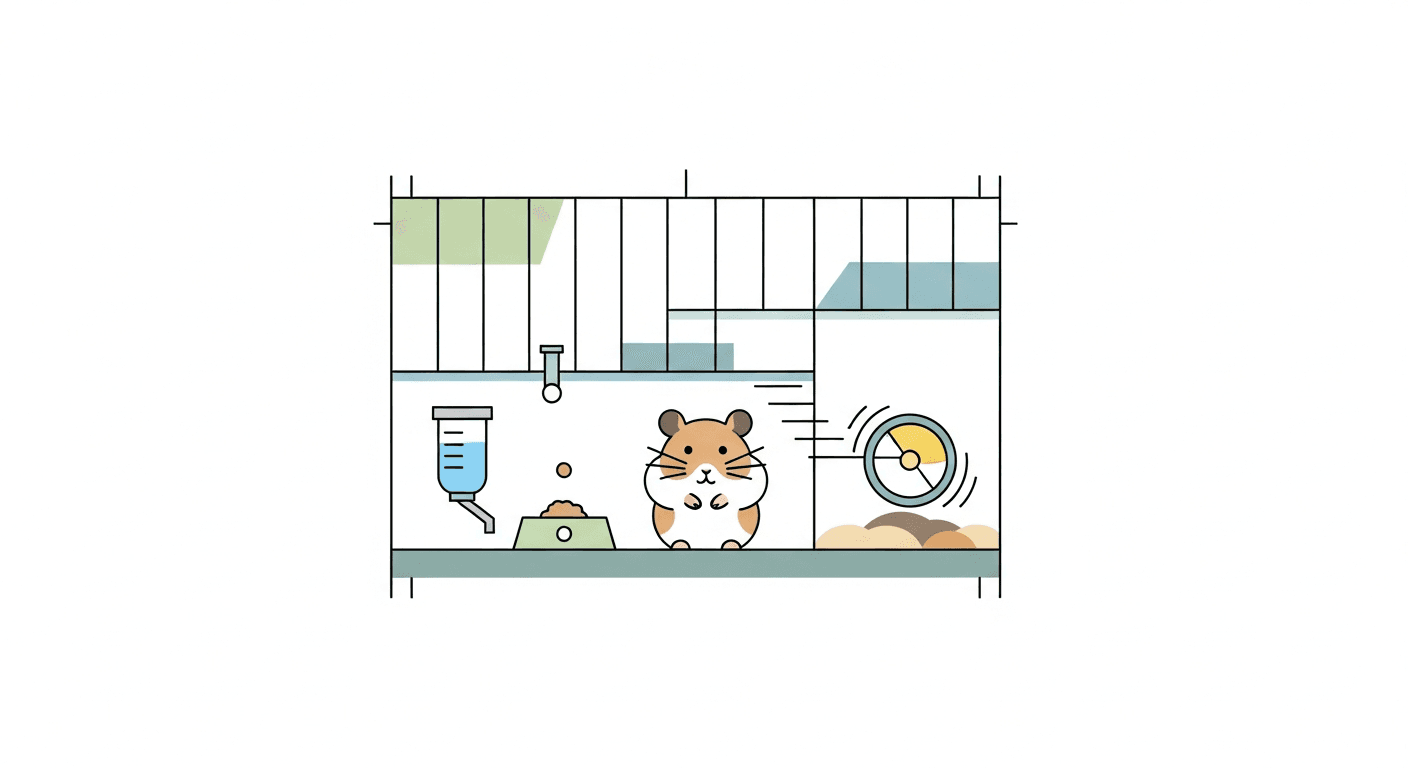
Hamster Housing Guide: Cage Size, Bedding, and Enrichment
Most commercial hamster cages are too small and cause chronic stress. Learn what hamsters actually need for space, bedding depth, and environmental enrichment.
 🐭 Hamster Health
Lethargic Hamster: Hibernation, Illness, or Torpor?
A hamster that won't move may be sleeping normally, entering torpor from cold, or seriously ill. Learn how to tell the difference and when to act.
 🐭 Hamster Health
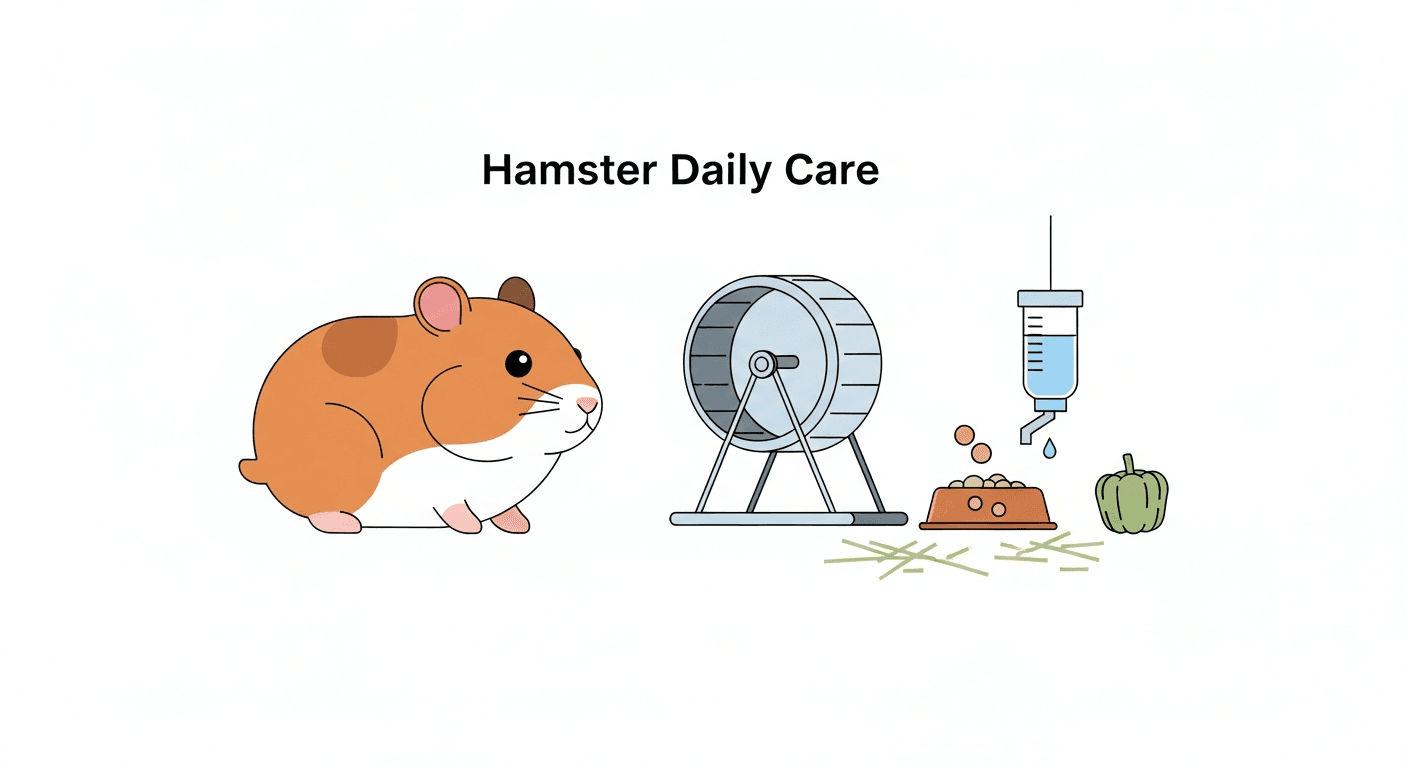
Daily Hamster Care Routine: Health Monitoring Checklist
A consistent daily routine is the best early warning system for hamster health problems. Learn what to check every day and how to build a baseline.
 🐭 Hamster Health
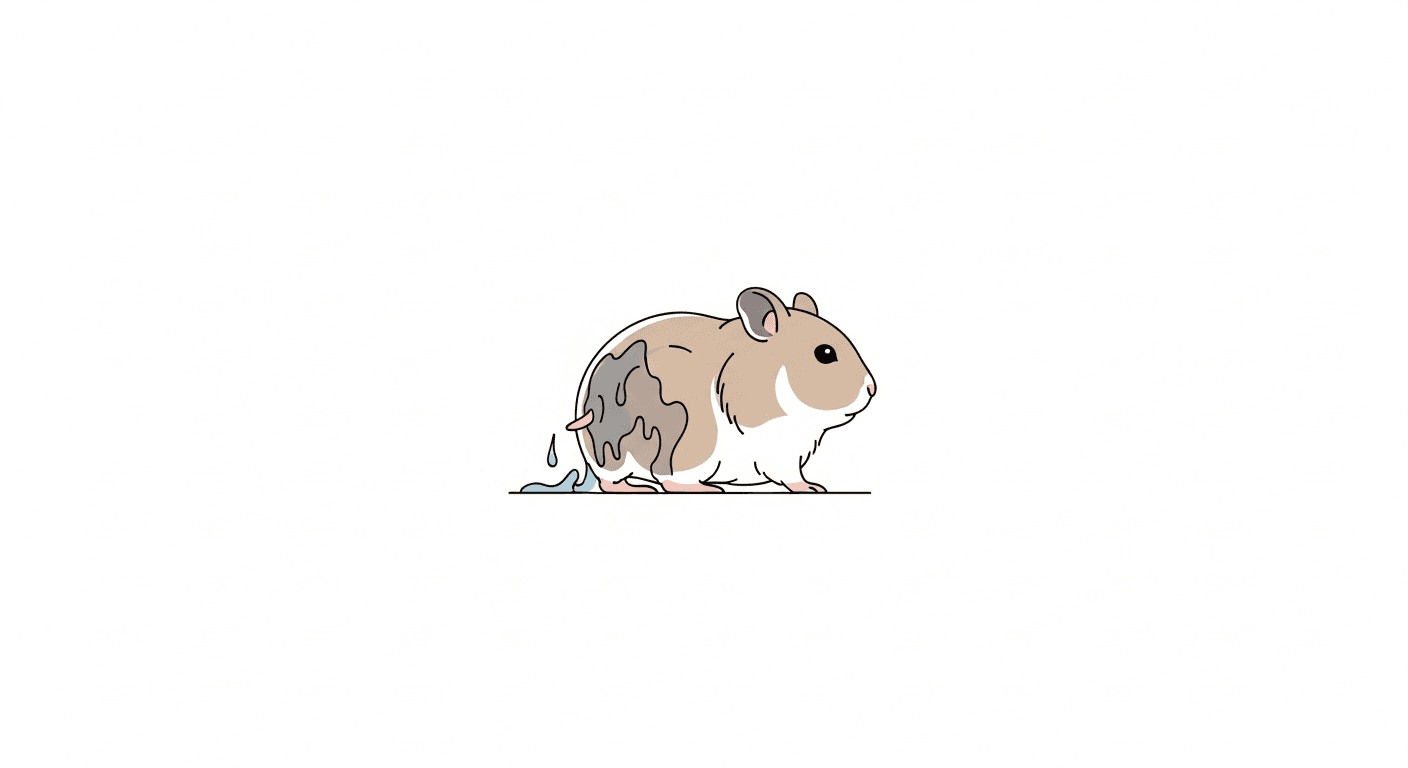
Wet Tail in Hamsters: Emergency Recognition and Treatment
Wet tail is the most common cause of death in young hamsters. Learn to recognize it within the first hours and why immediate treatment is essential.