

Common Parasites in Hamsters
Hamsters are susceptible to several parasites. Demodex mites (D. criceti and D. aurati) are the most clinically significant — these hair follicle mites cause scaling, hair loss, and skin thickening, typically in older or immunocompromised hamsters. Ringworm (Trichophyton) causes circular scaly patches and is transmissible to humans. Pinworms (Syphacia species) are intestinal nematodes that cause little clinical disease in most adult hamsters but may cause anal irritation in heavy infestations. Tropical rat mites (Ornithonyssus bacoti) are rare but can infest hamsters kept near wild rodents and will bite humans.
First 3 Steps for Parasite Prevention
- Source bedding carefully: Some bedding products (especially if stored improperly) can harbor mite eggs. Purchase from reputable suppliers and store in sealed containers. Baking bedding briefly at low oven temperature before use kills any mites present.
- Quarantine new hamsters: If adding a new hamster to a household (note: Syrian hamsters should always be housed separately), quarantine for 2 weeks before any shared equipment or proximity with the existing hamster.
- Practice good hygiene: Wash hands after handling the hamster and before touching your face. This prevents ringworm transmission in particular.
When to Go to the Vet Immediately
- Significant hair loss, especially if progressing rapidly
- Circular, scaly skin patches (ringworm — transmissible to humans)
- Intense, persistent scratching causing skin damage
Follow-Up Care Checklist
- Only use parasite treatments specifically prescribed for hamsters — many products safe for other species are toxic to hamsters
- Environmental decontamination is essential alongside treating the hamster — mites and ringworm spores persist in bedding and enclosure material
- Replace all bedding and clean the enclosure thoroughly when treating any parasite
Track Parasite Treatment with TailRounds
Log treatment dates and skin condition observations in the TailRounds Daily Log.
Book a Vet Appointment
For parasite identification and appropriate hamster-safe treatment, book at Happy Paws with our exotic animal team.
Summary for Your Clinic Visit
Describe the skin changes, whether circular patterns are present (ringworm), the hamster's age and health status, and whether any household members have skin lesions.
Continue Reading
 🐭 Hamster Health
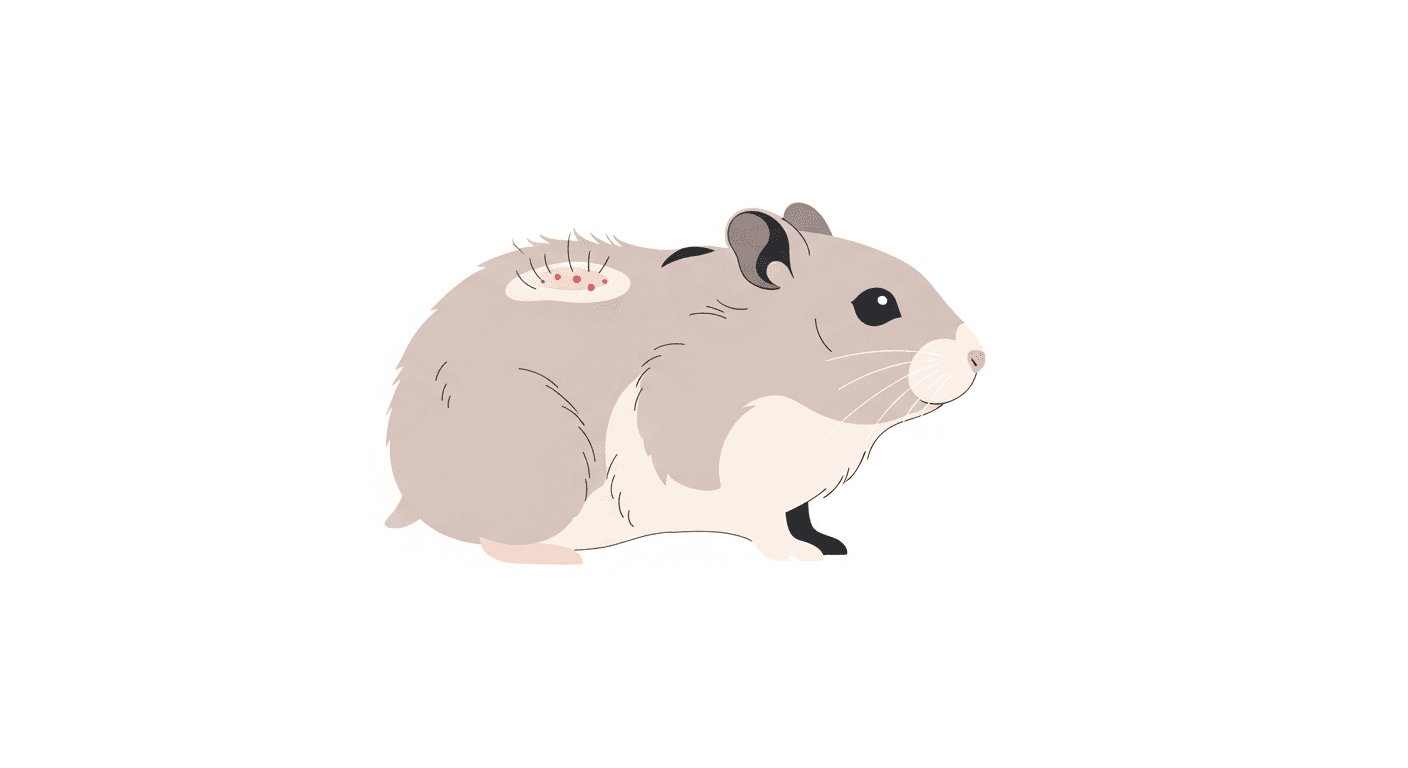
Hamster Skin Problems: Mange, Ringworm, and Abscesses
Itching, hair loss, and skin sores in hamsters have specific causes that each require different treatment. Learn to identify and respond appropriately.
 🐭 Hamster Health
Daily Hamster Care Routine: Health Monitoring Checklist
A consistent daily routine is the best early warning system for hamster health problems. Learn what to check every day and how to build a baseline.
 🐭 Hamster Health
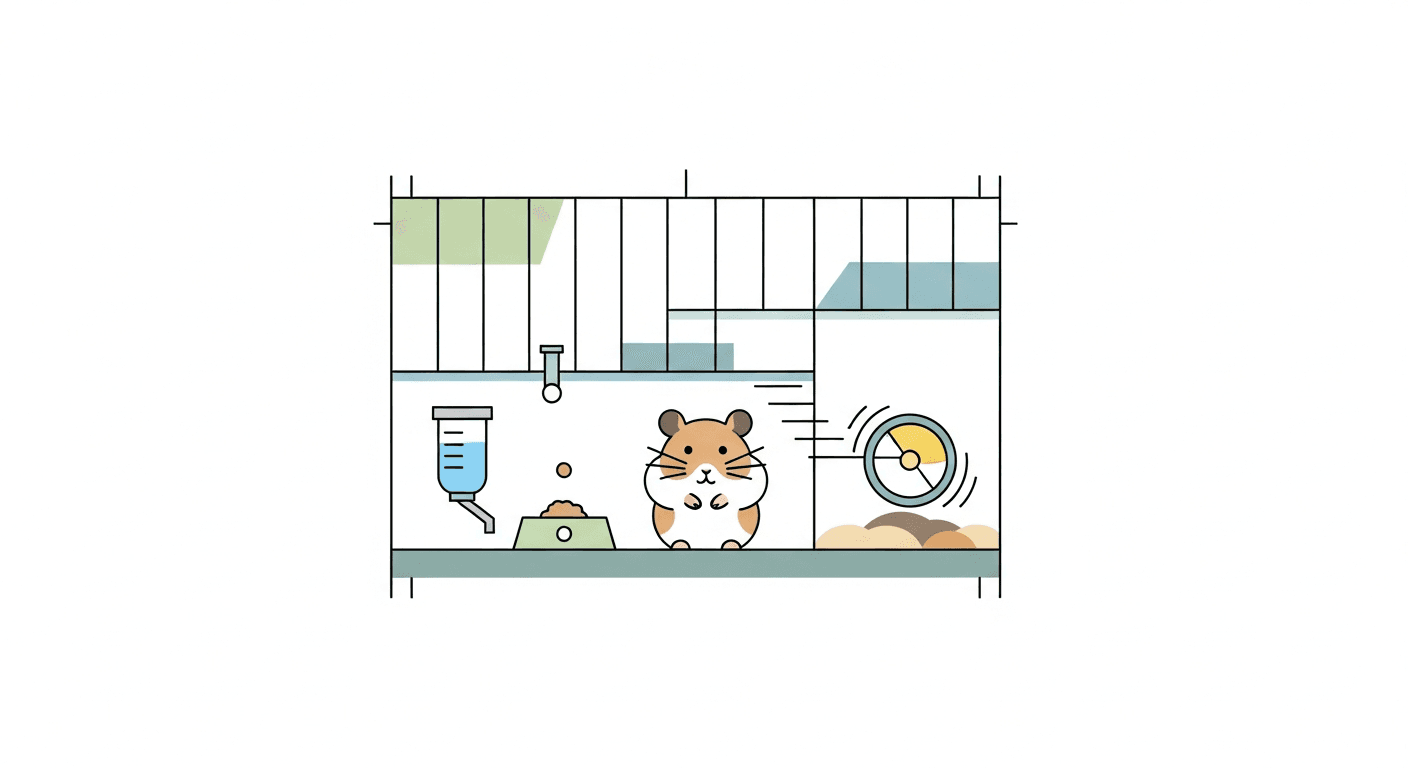
Hamster Housing Guide: Cage Size, Bedding, and Enrichment
Most commercial hamster cages are too small and cause chronic stress. Learn what hamsters actually need for space, bedding depth, and environmental enrichment.
 🐭 Hamster Health
Hamster Diet Guide: What to Feed for Optimal Health
The right diet prevents common hamster diseases. Learn which foods are safe, which cause diabetes and obesity, and how to provide variety safely.