
Why Proper Handling Matters for Hamster Health
A stressed hamster is a sick hamster. Chronic handling stress suppresses immune function, disrupts gut health, and increases cortisol levels that directly harm the animal. Conversely, a hamster that is well-habituated to handling experiences lower stress at vet visits, is easier to assess for health problems, and has a measurably better quality of life.
The goal is not to make the hamster enjoy handling for your benefit — it is to create a low-stress relationship that makes routine health care possible and keeps the animal calmer overall.
First 3 Steps at Home
- Wait 48–72 hours before handling a new hamster: Allow the hamster to settle into its new environment first. The first days should be about letting the hamster learn the new smells and space. Do not handle, do not move the cage, minimize noise nearby.
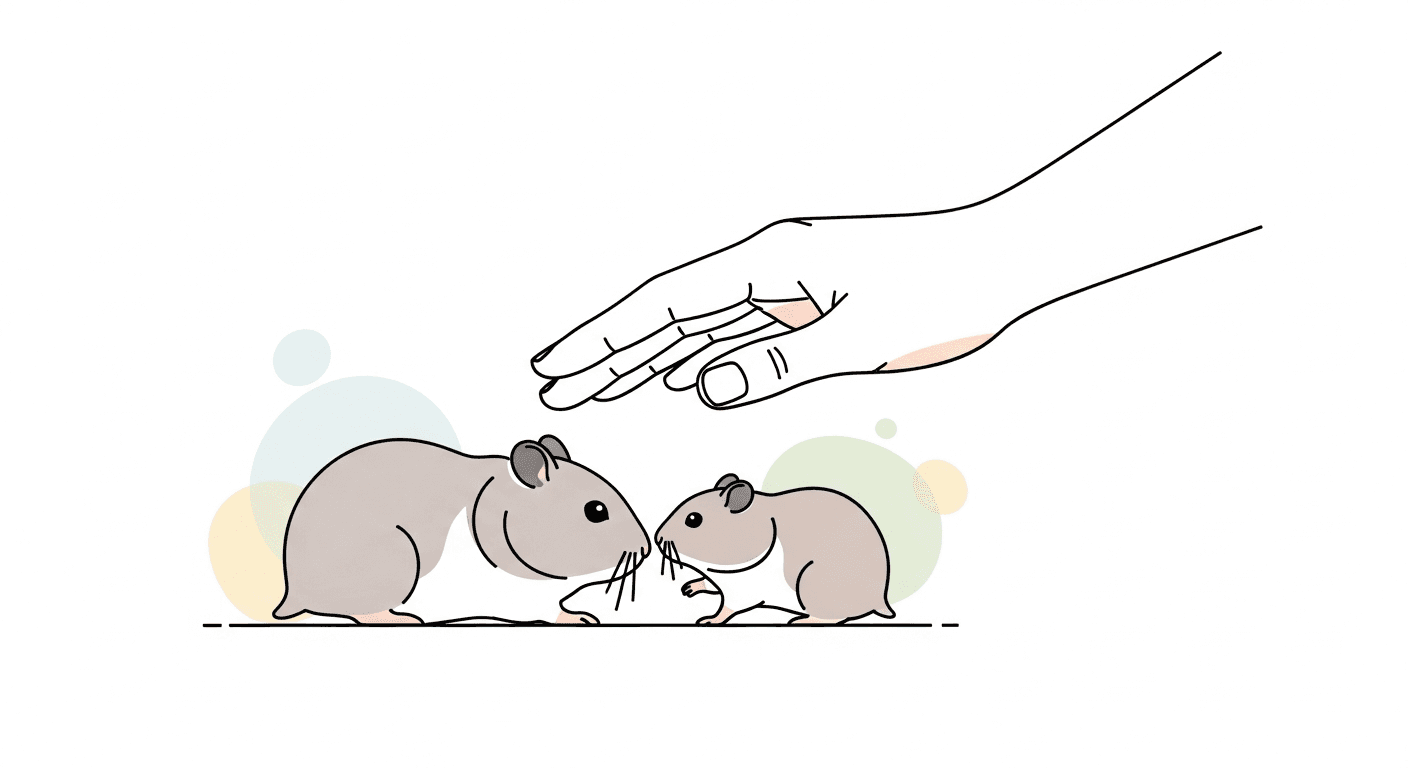
- Start with scent introduction: Place your hand, still and flat, inside the enclosure daily for a few minutes. Let the hamster approach and sniff in its own time. Offer a treat from your palm — sunflower seeds or a small piece of carrot work well. Do not chase or pursue the hamster.
- Progress to cupping, not grabbing: Once the hamster willingly climbs onto your hand for treats, begin lifting gently by cupping both hands underneath. Hamsters dropped from height sustain serious injury — always handle close to a surface or over a towel.
When to Go to the Vet Immediately
- Persistent biting despite weeks of gentle handling — possible pain or hearing/vision impairment making the hamster defensive
- Any bite wound to the owner that breaks skin — hamsters can carry zoonotic bacteria; clean thoroughly and monitor
- Hamster that freezes, twitches, or loses coordination when handled — possible neurological issue
Follow-Up Care Checklist
- Handle at the hamster's active time — late evening or night for most species
- Keep sessions short (5–10 minutes) and positive early on
- Never wake a sleeping hamster to handle it — this causes extreme stress
- Wash hands before handling — food smells can trigger biting
- Build trust slowly and consistently — most hamsters habituate within 2–4 weeks with daily gentle interaction
Track Bonding Progress with TailRounds
Note handling sessions, the hamster's response, and any biting or fear behaviors in the TailRounds Daily Log. This record helps identify patterns and also establishes baseline behavior that makes health-related behavioral changes easier to spot.
Book a Vet Appointment
A wellness exam early in the hamster's life establishes a baseline and gets your vet familiar with your animal. Book at Happy Paws — our exotic team can advise on species-specific handling and enrichment for your hamster.
Summary for Your Clinic Visit
Describe any handling difficulties — whether the hamster bites, freezes, or shows other fear responses — so your vet can assess for underlying causes and advise on appropriate handling techniques.
Continue Reading
 🐭 Hamster Health
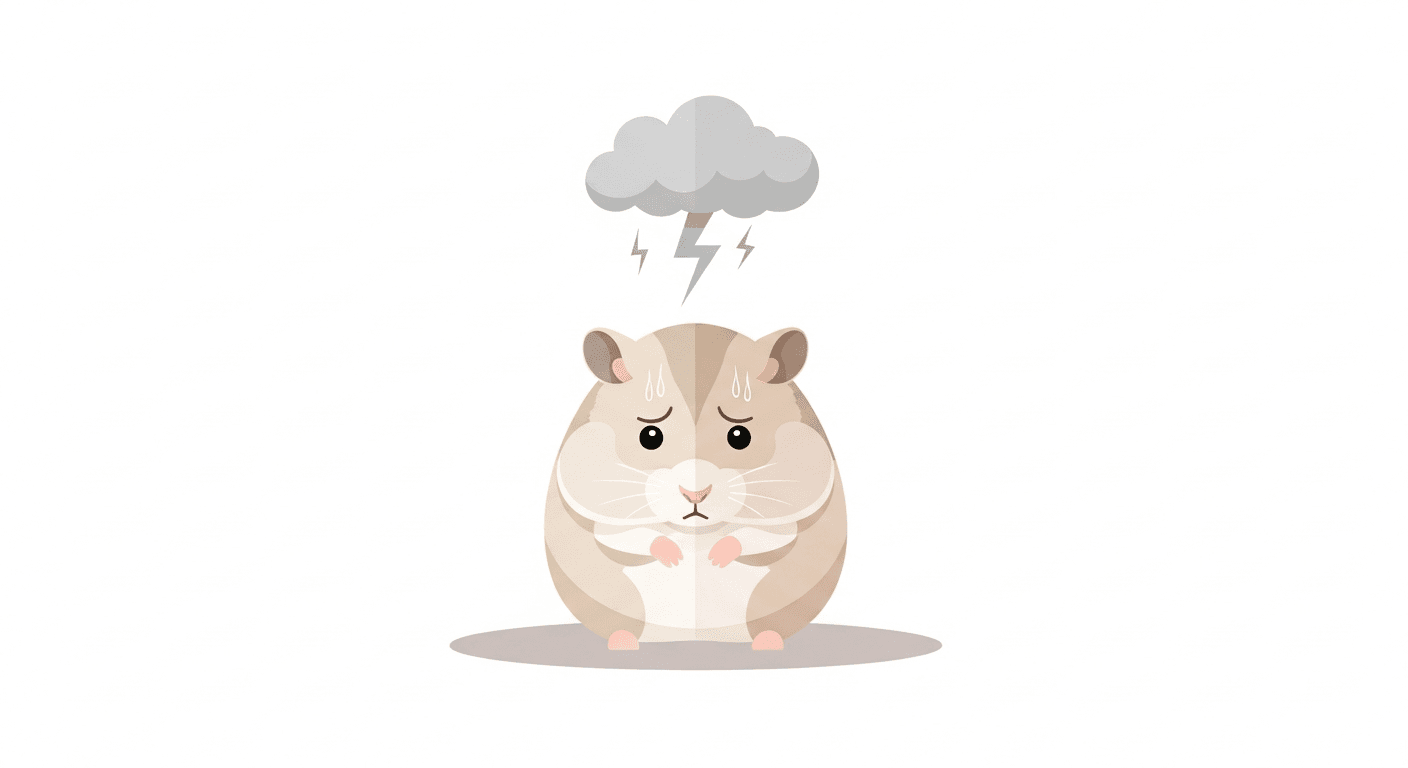
Stress in Hamsters: Signs, Causes, and How to Reduce It
Chronic stress shortens hamsters' lives and suppresses their immune systems. Learn to recognize stress signs and create a calmer, healthier environment.
 🐭 Hamster Health
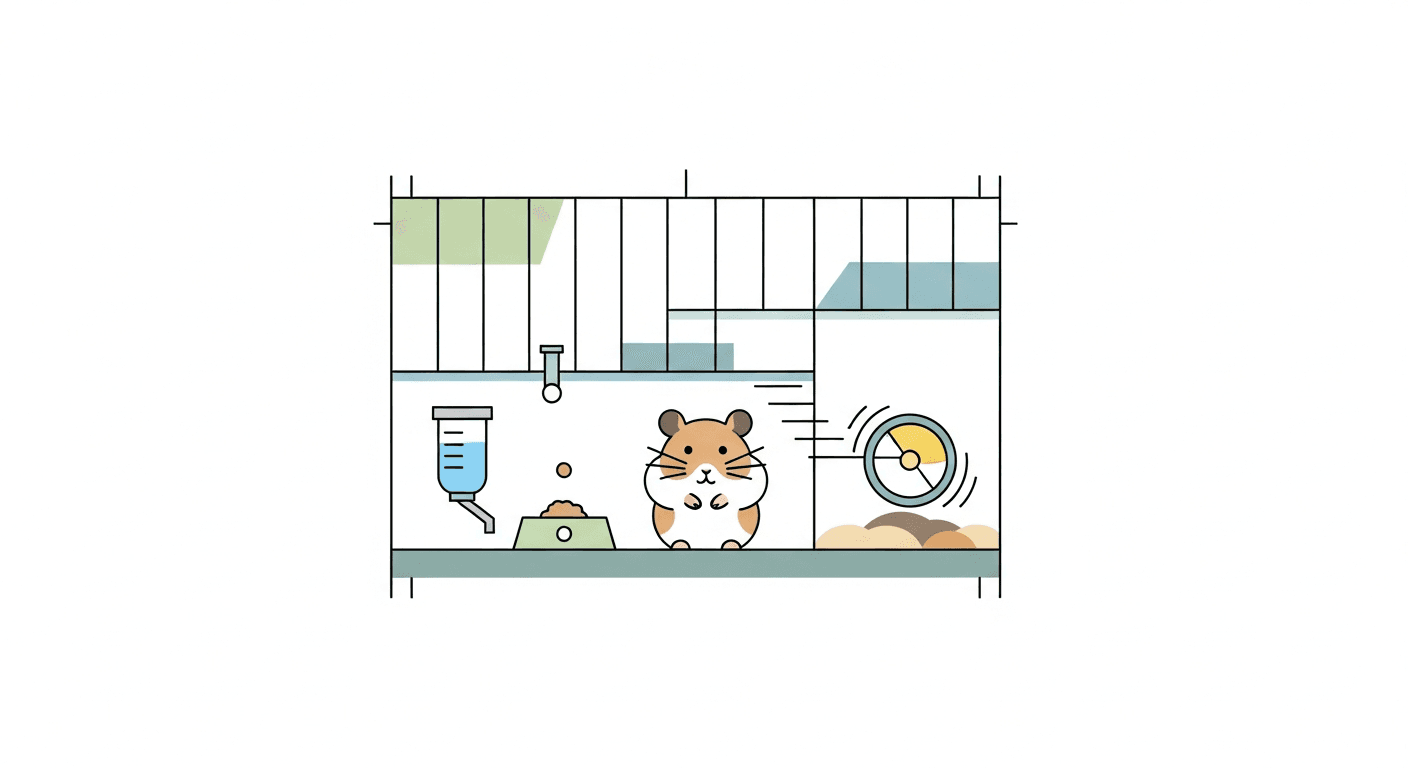
Hamster Housing Guide: Cage Size, Bedding, and Enrichment
Most commercial hamster cages are too small and cause chronic stress. Learn what hamsters actually need for space, bedding depth, and environmental enrichment.
 🐭 Hamster Health
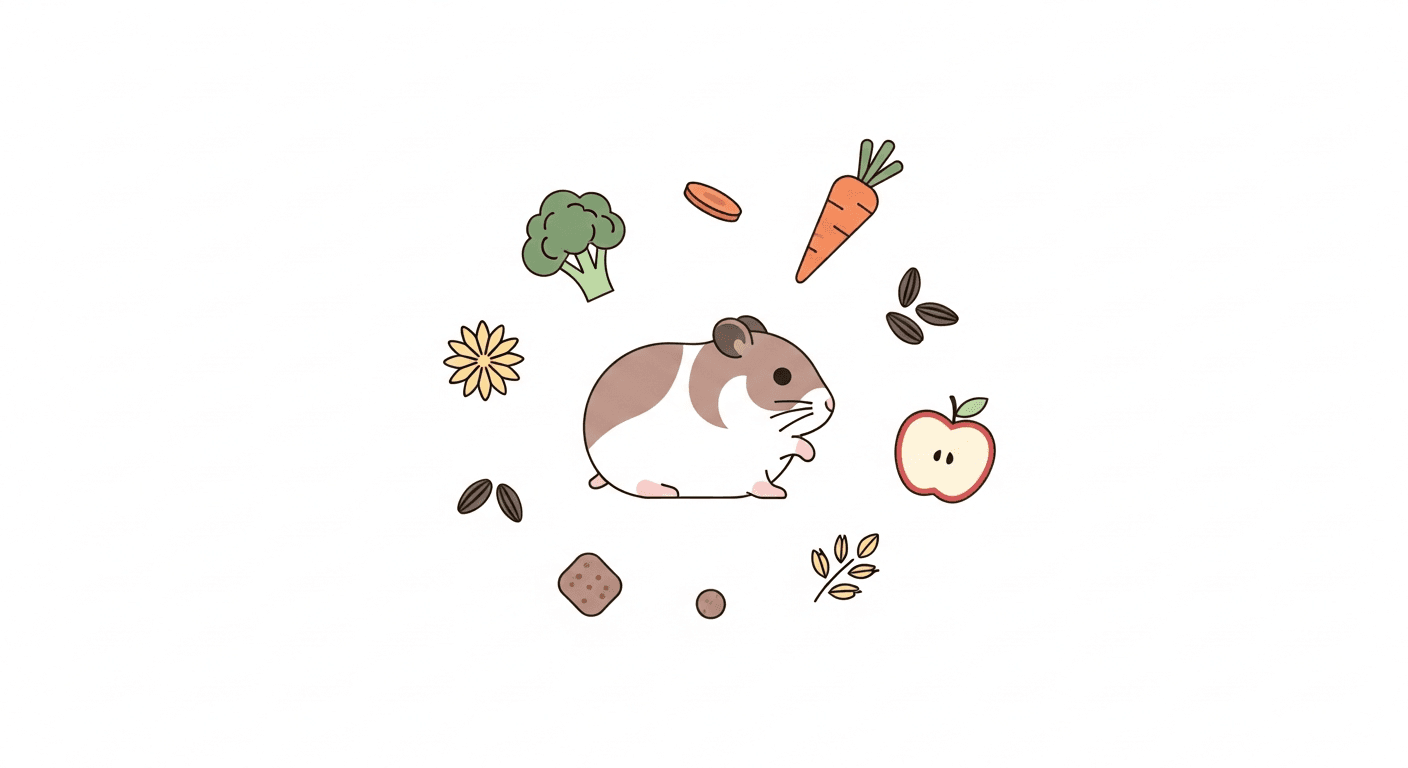
Hamster Diet Guide: What to Feed for Optimal Health
The right diet prevents common hamster diseases. Learn which foods are safe, which cause diabetes and obesity, and how to provide variety safely.
 🐭 Hamster Health
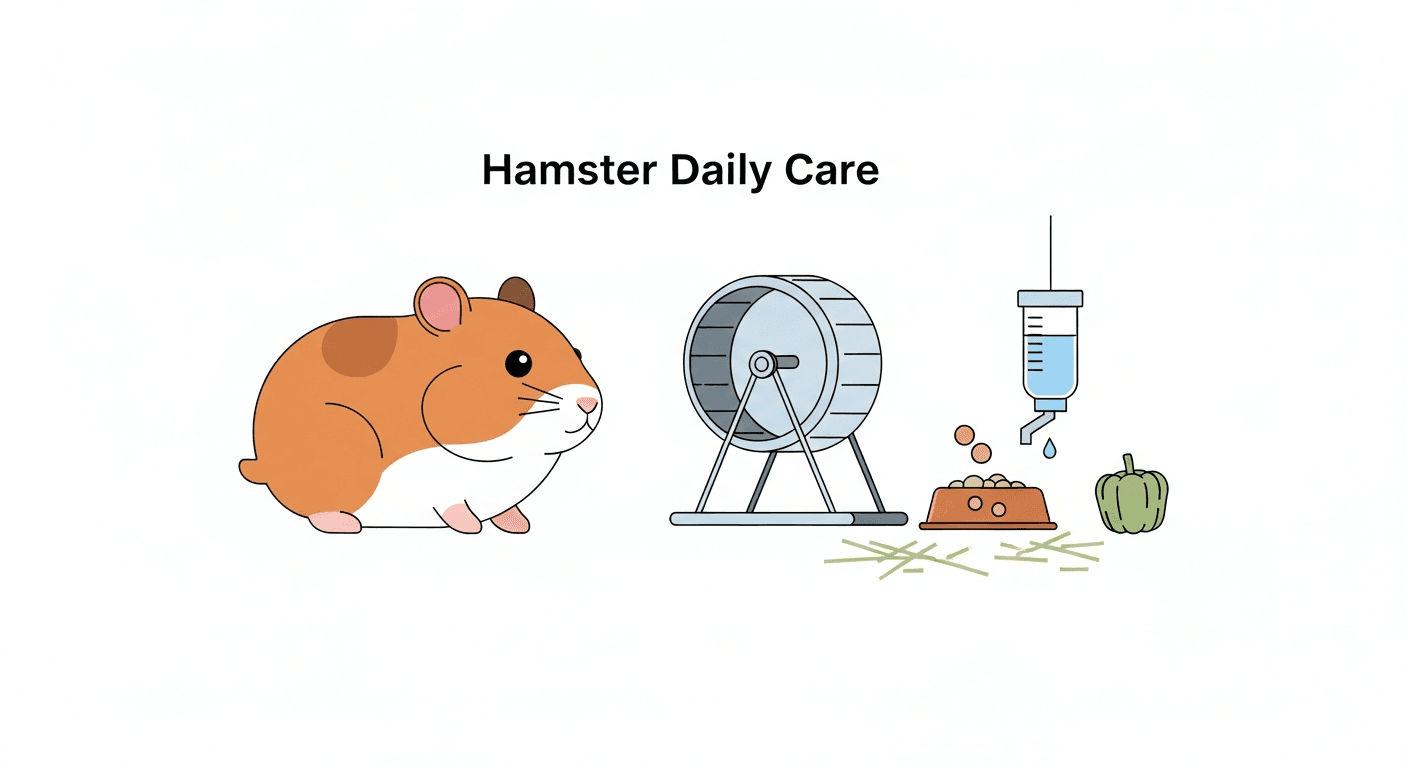
Daily Hamster Care Routine: Health Monitoring Checklist
A consistent daily routine is the best early warning system for hamster health problems. Learn what to check every day and how to build a baseline.