
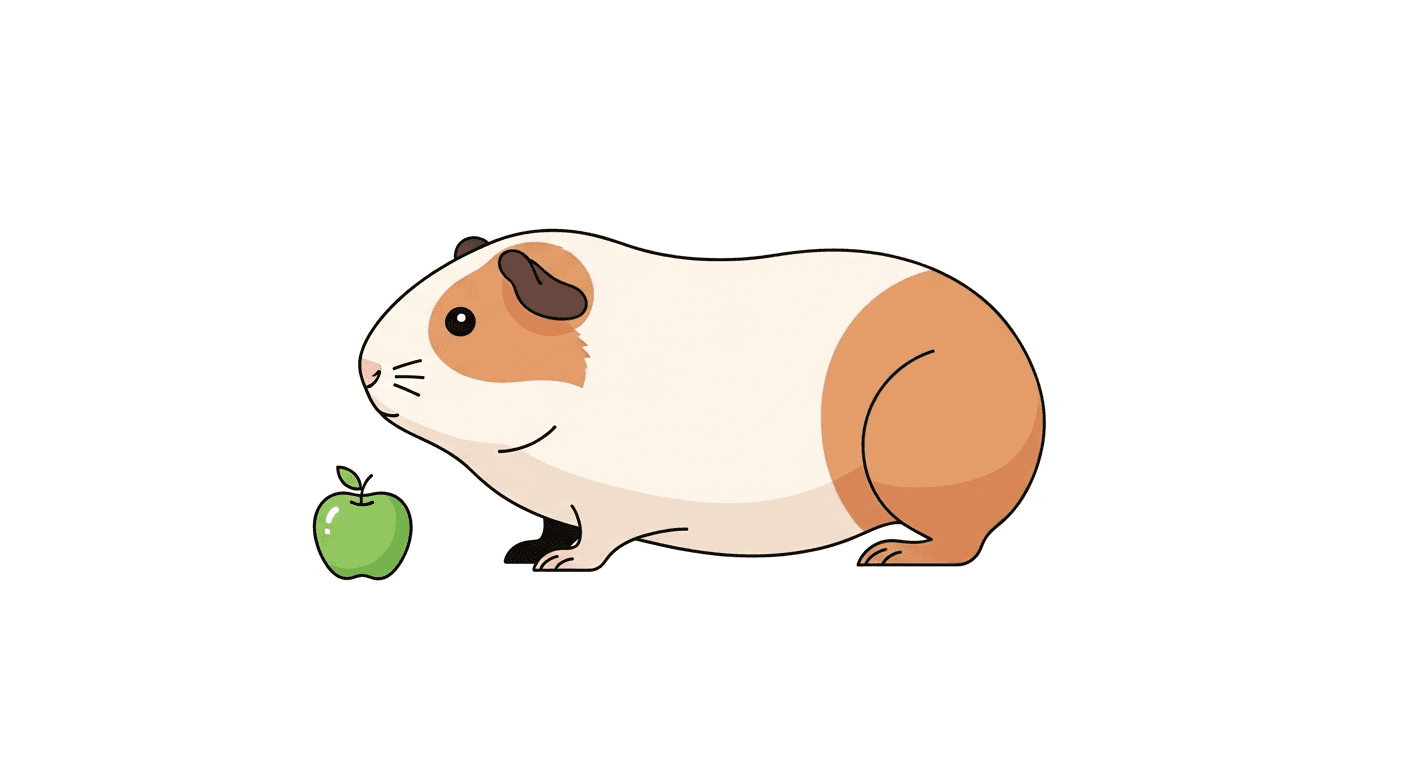
Why Weight Loss in Guinea Pigs Is Always Significant
Guinea pigs have limited fat reserves. Weight loss visible to the eye — spine and hip bones becoming prominent, loss of the rounded belly profile — represents significant deterioration. Because they hide illness, visible weight loss often means the problem has been progressing for weeks. The most common causes are dental disease (pain suppresses eating), vitamin C deficiency (scurvy), respiratory infection, ovarian cysts in females, and cancer. Regular weekly weighing catches losses before they become visually apparent.
First 3 Steps When Weight Loss Is Noticed
- Establish a weekly weighing routine immediately: Use a kitchen scale (weigh yourself holding the guinea pig, subtract your weight). A normal adult guinea pig weighs 700–1200 grams depending on sex (males are larger). Loss of more than 5% over 2 weeks requires veterinary investigation.
- Review the diet critically: Is vitamin C being provided daily? Is there enough hay available (the basis of calorie intake)? Are pellets fresh (they lose nutritional value over time)? Dietary gaps can cause weight loss even when the guinea pig appears to be eating.
- Watch for eating behavior clues: A guinea pig that approaches food, starts to eat, then backs away is likely experiencing dental pain. A guinea pig that accepts soft food but refuses hay may also have dental problems. These observations help your vet prioritize what to investigate.
When to Go to the Vet Immediately
- More than 10% bodyweight lost in 4 weeks
- Weight loss combined with not eating
- Visible muscle wasting along the spine or hips
- Any weight loss in a guinea pig over age 4 — cancer prevalence increases with age
Follow-Up Care Checklist
- Syringe-feed critical care during illness to prevent further weight loss
- Address the underlying cause — weight improves only when the cause is treated
- Monitor weight weekly until a stable baseline is re-established
Track Weight Weekly with TailRounds
Log weekly weights in the TailRounds Daily Log to build a trend line. A downward trend over 2–3 weeks is always worth investigating.
Book a Vet Appointment
Weight loss in a guinea pig always warrants investigation. Book at Happy Paws for a full physical exam and dental assessment under sedation if needed.
Summary for Your Clinic Visit
Bring your weight log, describe eating behavior in detail, tell your vet the current diet (including vitamin C provision), and note any other symptoms observed.
Continue Reading
 🐹 Guinea Pig Health
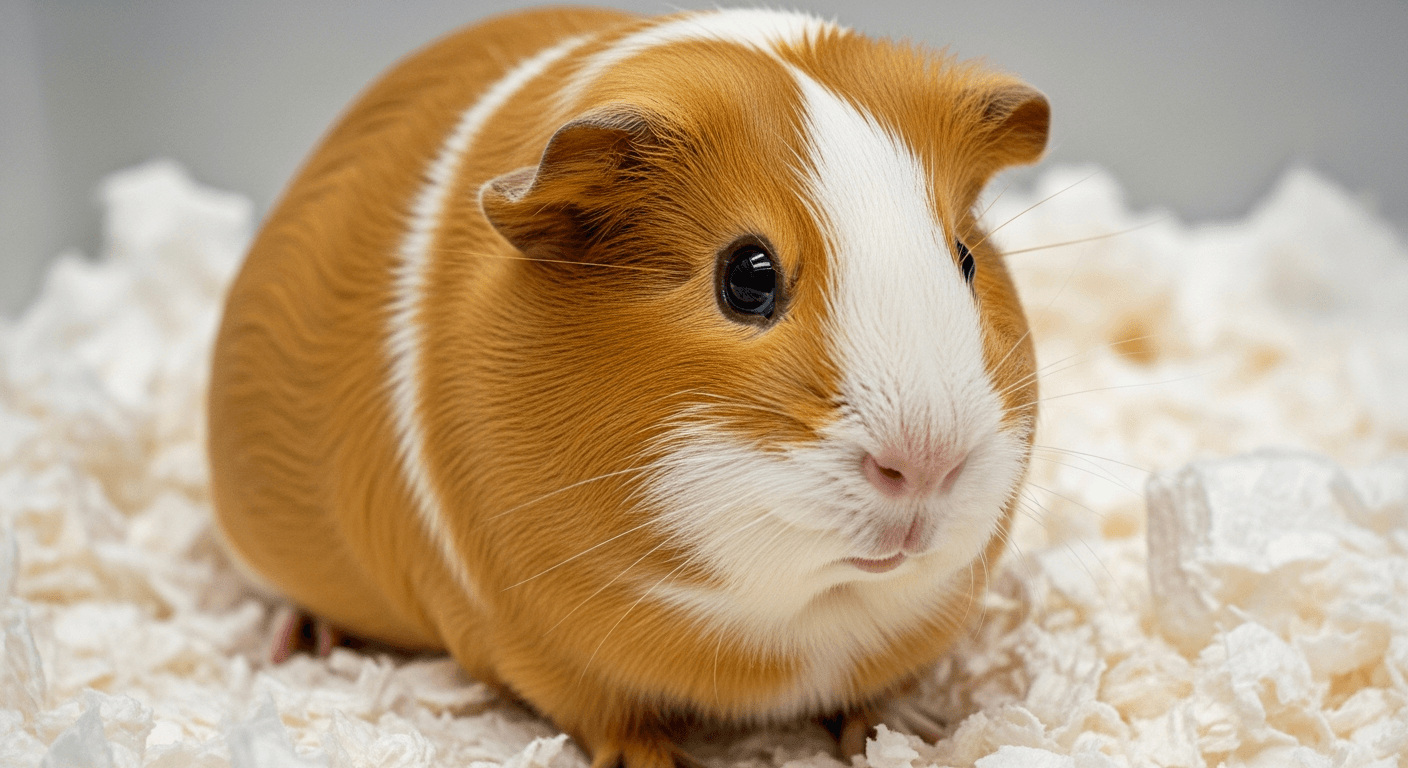
Guinea Pig Not Eating: Causes and When to Act
Like rabbits, guinea pigs cannot safely skip meals. Learn the common causes of appetite loss and how quickly you need to respond.
 🐹 Guinea Pig Health
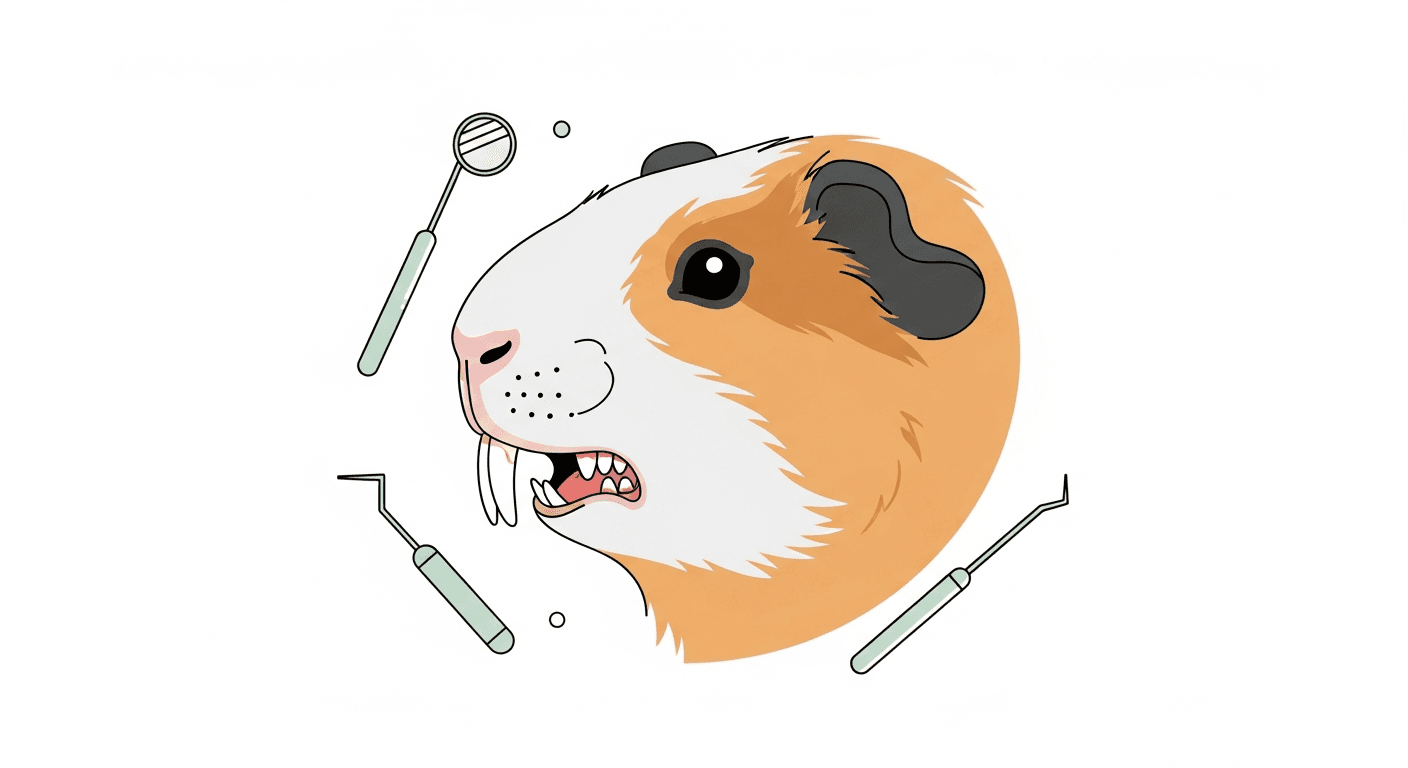
Guinea Pig Dental Disease: Malocclusion and Tooth Spurs
Dental disease is the leading health problem in guinea pigs. Learn how it develops, what symptoms look like, and why regular dental checks are essential.
 🐹 Guinea Pig Health
Guinea Pig Scurvy: Vitamin C Deficiency Signs and Treatment
Guinea pigs cannot make their own vitamin C. Deficiency causes scurvy — painful, debilitating, and entirely preventable. Learn the signs and correct daily dose.
 🐹 Guinea Pig Health
Daily Guinea Pig Care Routine: Essential Health Monitoring
A consistent daily care routine is the best protection against common guinea pig diseases. This checklist keeps you and your guinea pig on track every day.