
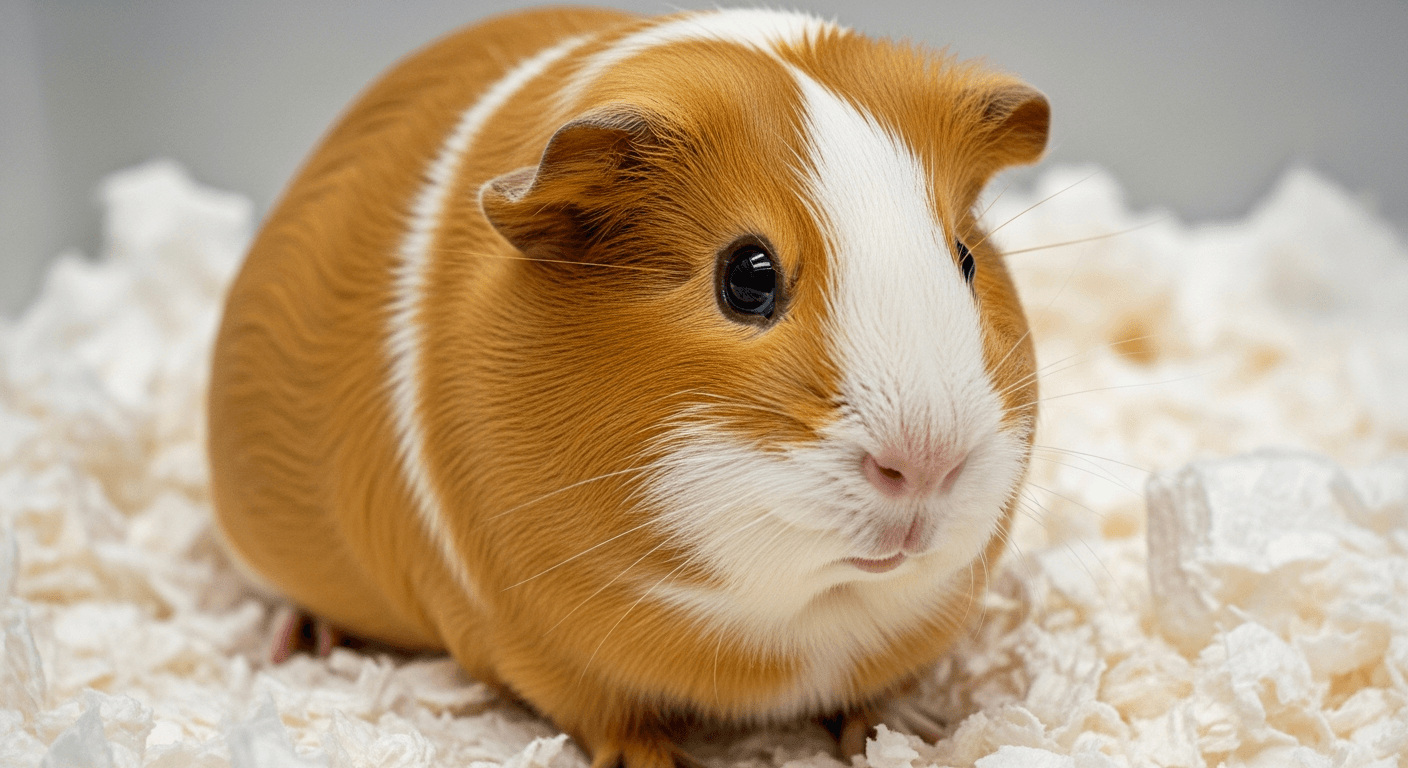
Why Guinea Pigs Cannot Miss Meals
Guinea pigs have a digestive system that requires continuous fiber intake to function correctly. A guinea pig that stops eating hay and pellets for more than 12–16 hours is at significant risk of GI hypomotility — the gut slows, gas accumulates, and the situation deteriorates rapidly. Unlike rabbits, guinea pigs have a slightly more robust tolerance to short food gaps, but this margin is still dangerously narrow. A guinea pig that hasn't eaten since the previous evening needs attention that day — not tomorrow.
Common causes include dental disease (the number one cause in guinea pigs), respiratory infection, bladder stones, vitamin C deficiency (scurvy), and pain from any source.
First 3 Steps to Take at Home
- Offer highly palatable foods: Fresh bell pepper (also provides vitamin C), leafy herbs, or favorite vegetables may stimulate interest in a mild case. Note whether the guinea pig shows interest but then drops the food — this often means oral pain from dental problems.
- Check for vitamin C intake: Guinea pigs, like humans, cannot synthesize vitamin C. Deficiency (scurvy) causes pain, lethargy, and food refusal within weeks of inadequate intake. Ensure daily provision of bell pepper (highest vitamin C content), fresh greens, or a vitamin C supplement.
- Monitor droppings: Normal guinea pig droppings are numerous (50–100+ per day), uniform oval pellets. Reduced number or abnormal shape/size indicates digestive slowdown requiring veterinary evaluation.
When to Go to the Vet Immediately
- No eating for more than 12 hours
- Hunched posture, teeth grinding, or reluctance to move
- Significant reduction in droppings
- Drooling or wet chin (dental pain)
- Any respiratory symptoms alongside not eating
Follow-Up Care Checklist
- Provide daily vitamin C (50mg per day for healthy adults, 100mg for sick guinea pigs)
- Syringe feed critical care (Oxbow Critical Care or similar) if the guinea pig won't eat voluntarily
- Keep the guinea pig warm (22–24°C) — hypothermia suppresses appetite
- Schedule a dental exam if eating refusal recurs
Track Eating with TailRounds
Log daily food intake and dropping frequency using the TailRounds Daily Log. Consistent records detect early changes before they become emergencies.
Book a Vet Appointment
A guinea pig that hasn't eaten in 12 hours needs evaluation today. Book at Happy Paws with our exotic animal team immediately.
Summary for Your Clinic Visit
Tell your vet when the guinea pig last ate, what symptoms are present, the vitamin C provision in the diet, and any environmental changes in the past week.
Continue Reading
 🐹 Guinea Pig Health
Guinea Pig Dental Disease: Malocclusion and Tooth Spurs
Dental disease is the leading health problem in guinea pigs. Learn how it develops, what symptoms look like, and why regular dental checks are essential.
 🐹 Guinea Pig Health
Guinea Pig Dehydration: Signs and How to Improve Hydration
Dehydrated guinea pigs deteriorate quickly. Learn to assess hydration at home and how to encourage water intake effectively.
 🐹 Guinea Pig Health
Guinea Pig Weight Loss: Causes and When to Act
Weight loss in guinea pigs signals underlying disease. Learn to detect it early and which conditions are most likely causing it.
 🐹 Guinea Pig Health
Daily Guinea Pig Care Routine: Essential Health Monitoring
A consistent daily care routine is the best protection against common guinea pig diseases. This checklist keeps you and your guinea pig on track every day.