
Why Is Vitamin C Critical for Guinea Pigs?
Like humans, guinea pigs lack the enzyme (L-gulonolactone oxidase) needed to synthesize vitamin C internally. Every single day, they must obtain it from their diet. Without adequate daily vitamin C, collagen synthesis fails — connective tissues weaken, gums bleed and swell, joints become painful, the immune system is compromised, and healing is impaired. Clinical scurvy in guinea pigs can develop within 2–4 weeks of inadequate vitamin C intake. It's one of the most common preventable diseases seen in guinea pig veterinary practice.
Signs of Vitamin C Deficiency
- Reluctance to move, stilted gait, apparent joint pain
- Teeth grinding suggesting pain
- Swollen, bleeding, or tender gums
- Rough, poor-quality coat
- Slowly healing wounds or sores
- Weight loss and reduced appetite
- Lethargy and reduced activity
First 3 Steps to Ensure Adequate Vitamin C
- Provide fresh vitamin C-rich foods daily: Bell pepper (any color — red and yellow have the highest content) is the best natural source. One small strip of bell pepper per day provides significant vitamin C. Fresh leafy greens (parsley, kale, cilantro) also contribute, though less reliably.
- Do not rely on water-soluble vitamin C additives: Vitamin C degrades rapidly in water — a bottle of supplemented water left for 12 hours has lost most of its vitamin C. If supplementing, use a fresh vitamin C tablet (crushed and mixed into soft food) or purchase a stabilized vitamin C powder designed for guinea pigs.
- If scurvy is suspected, contact a vet for treatment doses: A guinea pig showing scurvy symptoms needs therapeutic vitamin C doses (50–100mg/day or more) — not just dietary improvement. Recovery with appropriate supplementation usually takes 2–4 weeks.
When to Go to the Vet Immediately
- Guinea pig cannot walk normally or shows obvious joint pain
- Not eating alongside any scurvy symptoms
- Bleeding gums or mouth ulcers
Follow-Up Care Checklist
- Daily vitamin C from fresh food is a permanent dietary requirement, not a temporary supplement
- Check pellet labels — vitamin C degrades in stored pellets; fresh bell pepper is more reliable than pellet-based vitamin C
- Schedule a follow-up exam in 4 weeks to confirm recovery
Track Vitamin C Provision with TailRounds
Log daily vitamin C foods offered (type and amount) in the TailRounds Daily Log. This ensures no days are accidentally missed.
Book a Vet Appointment
If your guinea pig shows signs of scurvy, book at Happy Paws for therapeutic supplementation and an overall health assessment.
Summary for Your Clinic Visit
Describe the symptoms, tell your vet the current diet and vitamin C sources provided, and bring the label from any supplement you're currently using.
Continue Reading
 🐹 Guinea Pig Health
Guinea Pig Not Eating: Causes and When to Act
Like rabbits, guinea pigs cannot safely skip meals. Learn the common causes of appetite loss and how quickly you need to respond.
 🐹 Guinea Pig Health
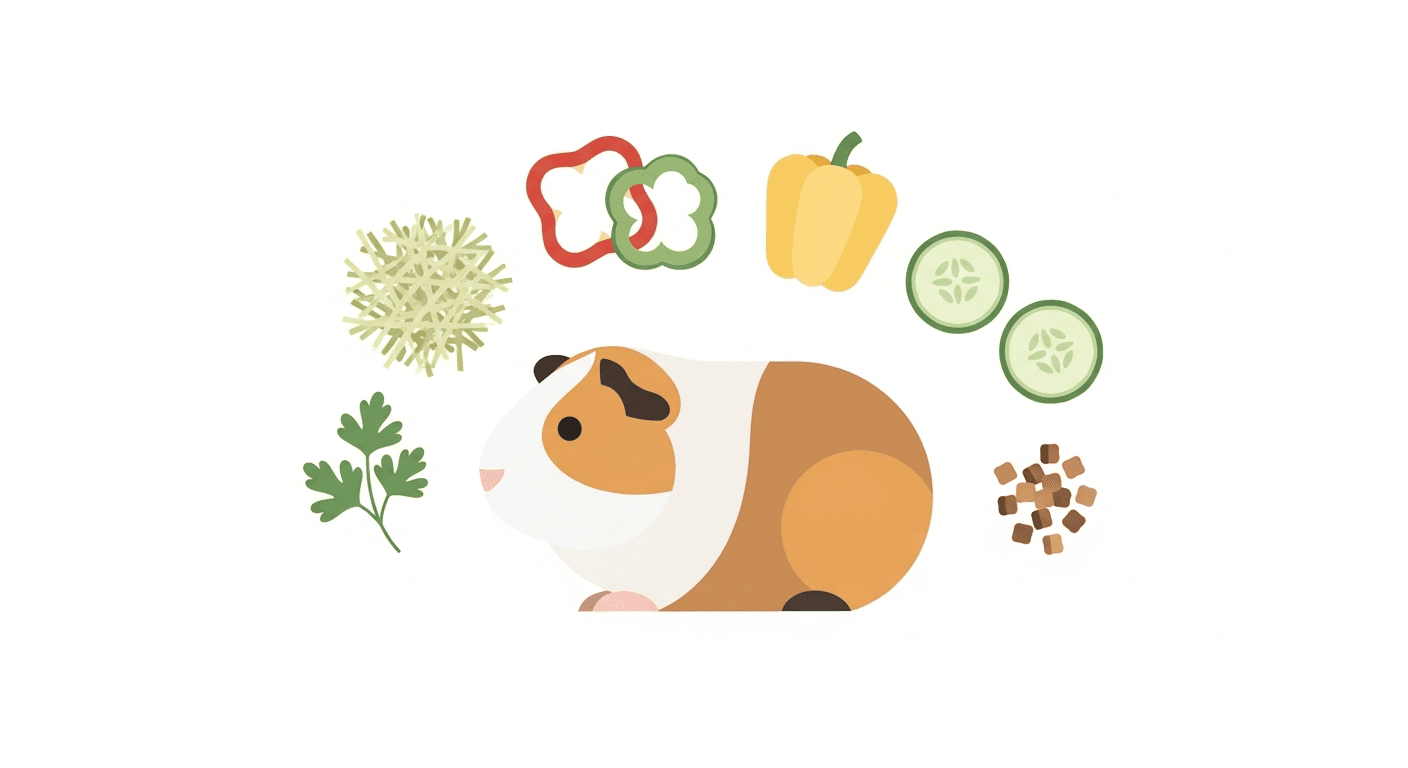
Complete Guinea Pig Diet Guide: What to Feed for Optimal Health
The right diet prevents most common guinea pig diseases. Learn the correct proportions of hay, vegetables, vitamin C sources, and pellets for healthy guinea pigs.
 🐹 Guinea Pig Health
Guinea Pig Weight Loss: Causes and When to Act
Weight loss in guinea pigs signals underlying disease. Learn to detect it early and which conditions are most likely causing it.
 🐹 Guinea Pig Health
Daily Guinea Pig Care Routine: Essential Health Monitoring
A consistent daily care routine is the best protection against common guinea pig diseases. This checklist keeps you and your guinea pig on track every day.