
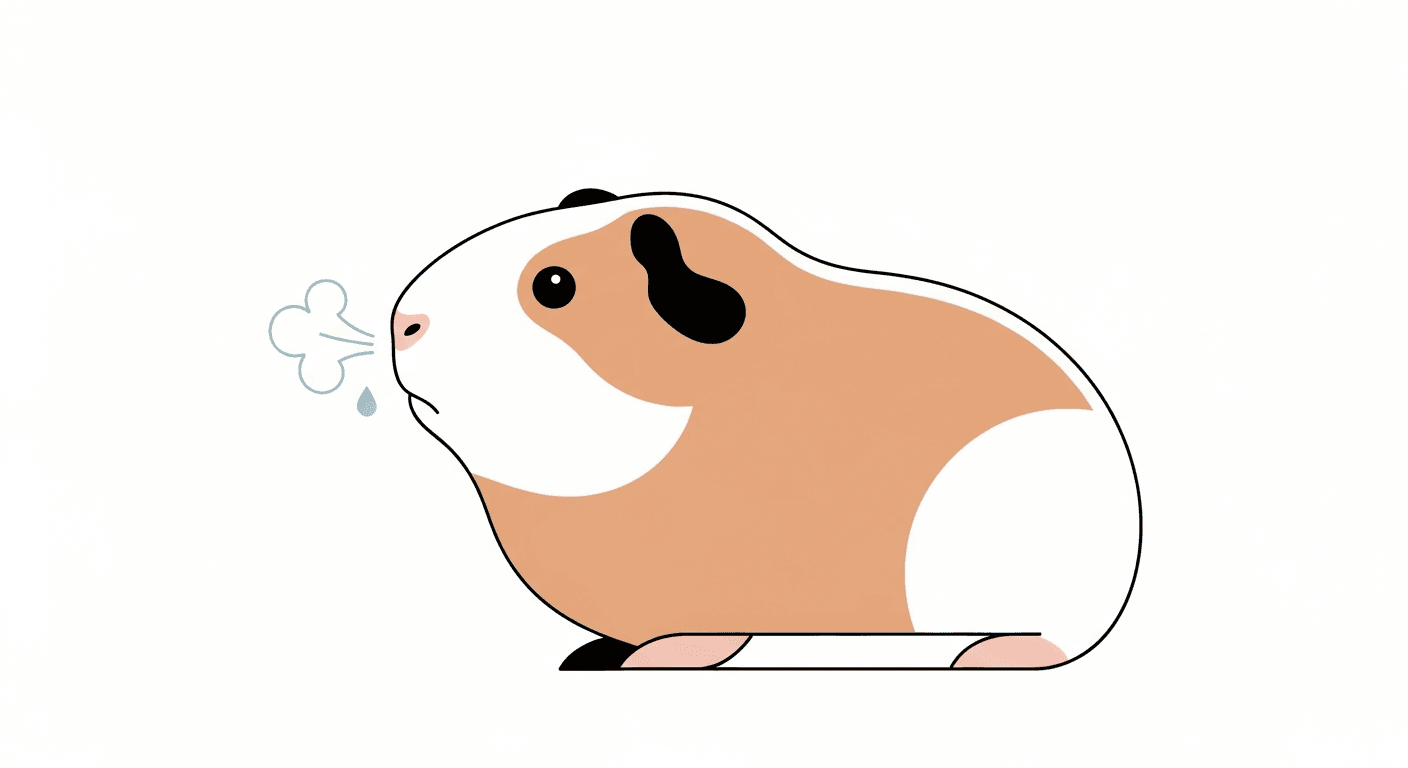
How Upper Respiratory Infections Develop in Guinea Pigs
Upper respiratory infections (URIs) in guinea pigs typically begin in the nasal passages and sinuses before spreading to the lower respiratory tract. The window between early URI and pneumonia can be as short as 24–48 hours in a stressed or immunocompromised guinea pig. Early signs — a single sneeze episode, mild nasal discharge — must be taken seriously. Bacterial pathogens (primarily Bordetella and Streptococcus) require antibiotic treatment; supportive care alone is not sufficient.
First 3 Steps When URI Is Suspected
- Isolate from other guinea pigs immediately: Respiratory pathogens are highly contagious between guinea pigs. Separate the affected animal at the first sign of any respiratory symptom.
- Provide warmth and support: Sick guinea pigs cannot regulate body temperature effectively. Maintain 22–24°C in the recovery area. Offer high-value foods to maintain caloric intake.
- Book a same-day vet appointment: URI in a guinea pig is always a same-day concern. Antibiotics must be selected carefully — as noted, many common antibiotics are toxic to guinea pigs. Your vet will prescribe appropriate treatment (typically trimethoprim-sulfa or enrofloxacin).
When to Go to the Vet Immediately
- Any labored or rapid breathing
- Open-mouth breathing
- Blue-tinged gums
- Any respiratory symptoms in a guinea pig that shares space with a rabbit or dog
Follow-Up Care Checklist
- Never give antibiotics prescribed for another species — the risk of fatal antibiotic toxicity is real
- Complete the full antibiotic course (typically 2–3 weeks)
- Nebulization therapy may be recommended for severe cases
- Recheck in 7–10 days to confirm improvement
Track Respiratory Recovery with TailRounds
Log respiratory rate, discharge character, and appetite daily during treatment using the TailRounds Daily Log.
Book a Vet Appointment
Any respiratory symptom in a guinea pig is a same-day concern. Book at Happy Paws immediately with our exotic animal team.
Summary for Your Clinic Visit
Tell your vet all respiratory symptoms observed, their timeline, the guinea pig's housing companions, and whether any antibiotics have been given (including any purchased over the counter).
Continue Reading
 🐹 Guinea Pig Health
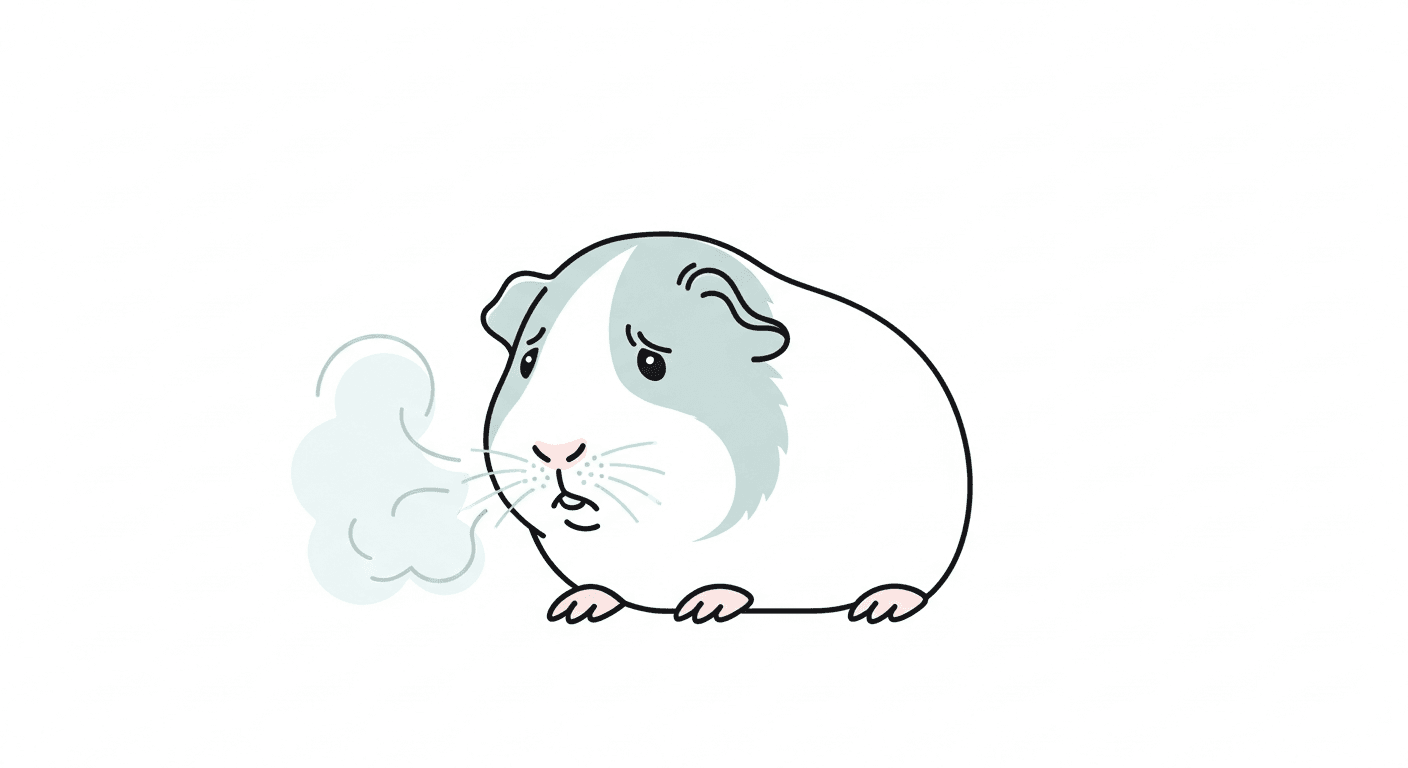
Guinea Pig Respiratory Infections: Signs and Treatment
Respiratory infections are a leading cause of death in guinea pigs. Learn to recognize the early signs and get treatment before the condition becomes critical.
 🐹 Guinea Pig Health
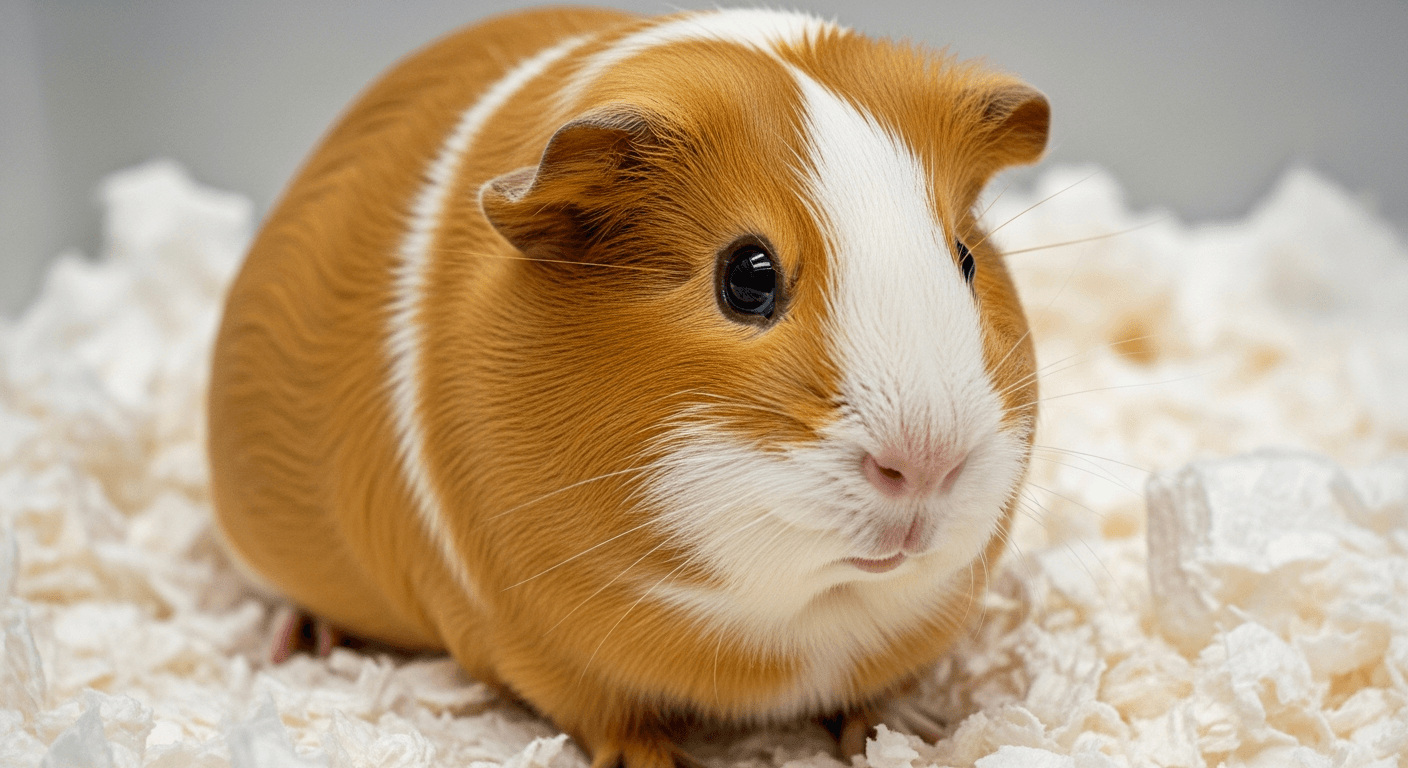
Guinea Pig Not Eating: Causes and When to Act
Like rabbits, guinea pigs cannot safely skip meals. Learn the common causes of appetite loss and how quickly you need to respond.
 🐹 Guinea Pig Health
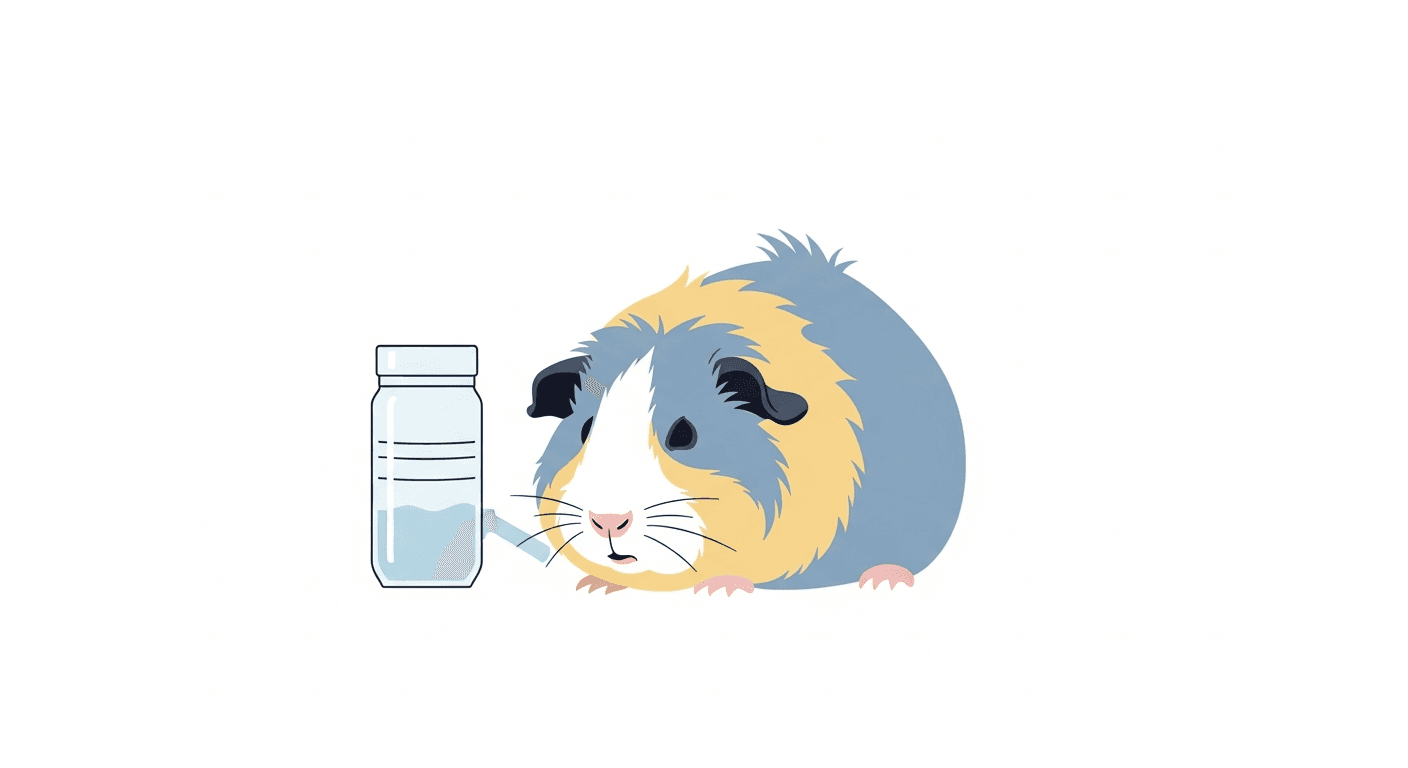
Guinea Pig Dehydration: Signs and How to Improve Hydration
Dehydrated guinea pigs deteriorate quickly. Learn to assess hydration at home and how to encourage water intake effectively.
 🐹 Guinea Pig Health
Daily Guinea Pig Care Routine: Essential Health Monitoring
A consistent daily care routine is the best protection against common guinea pig diseases. This checklist keeps you and your guinea pig on track every day.