
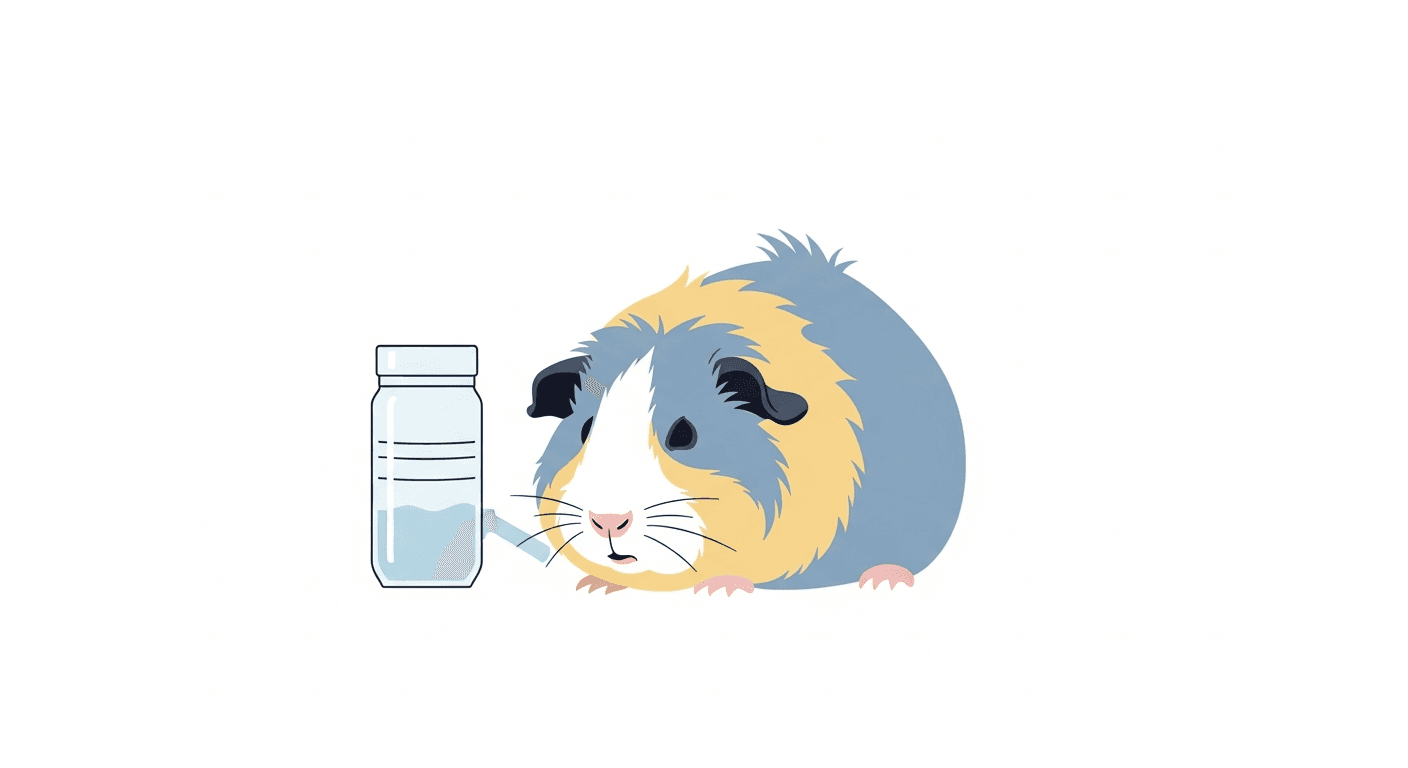
How Do Guinea Pigs Become Dehydrated?
Guinea pigs can become dehydrated through illness (diarrhea, vomiting-adjacent GI upset, fever), insufficient water access, water source malfunction (blocked bottle nozzle), refusal to drink in hot weather, or as a secondary effect of dental disease (mouth pain makes drinking uncomfortable). Dehydration accelerates GI hypomotility and worsens any underlying illness. Small animals deteriorate from dehydration significantly faster than dogs or cats.
First 3 Steps to Assess and Address Dehydration
- Skin tent test: Gently pinch and release the skin over the shoulder. Immediate return to flat is normal. Slow return (1–2+ seconds) indicates dehydration. This test is less reliable in very thin or overweight animals.
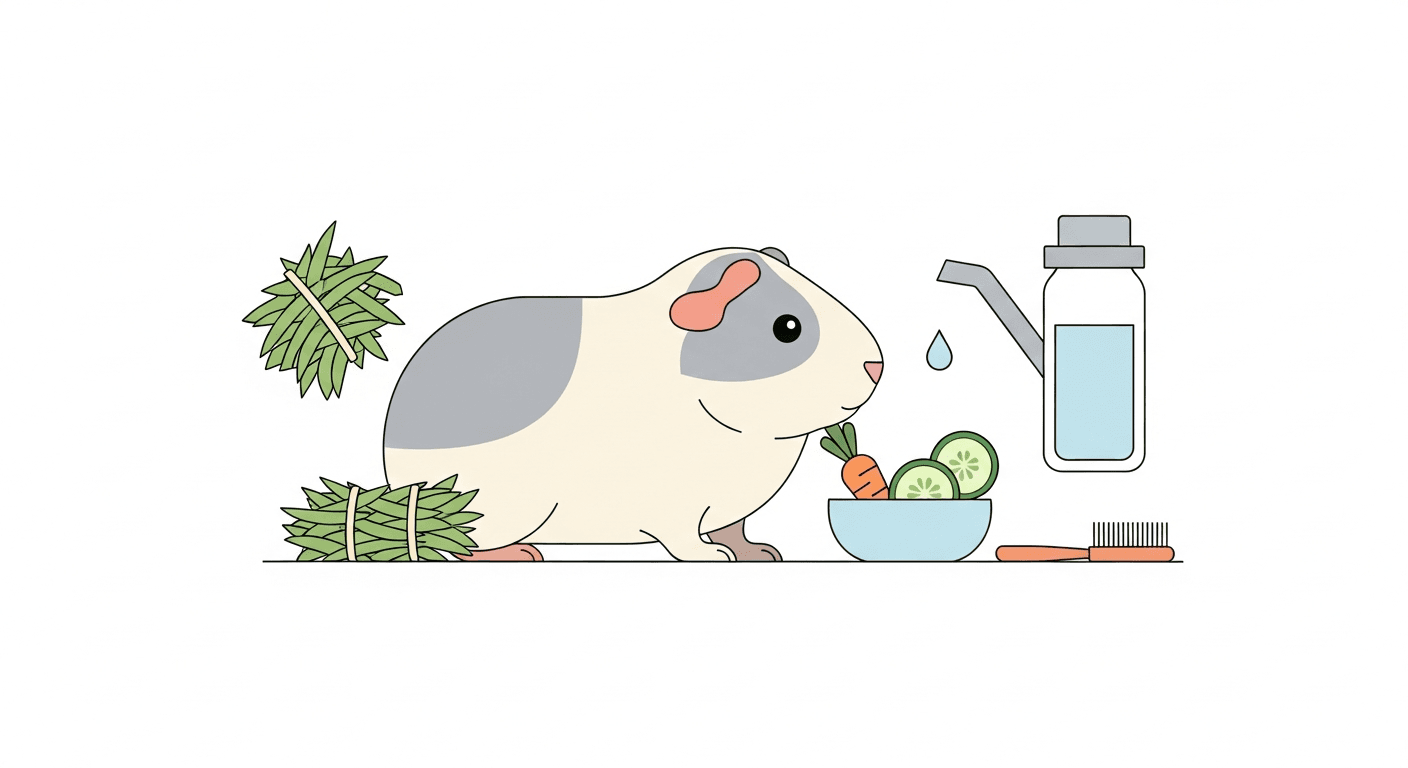
- Check both the water bottle and bowl: Bottle nozzles frequently become blocked. Check that water flows freely when the ball bearing is pressed. Many guinea pigs drink more readily from an open bowl than a bottle — offer both.
- Increase fresh vegetable water content: Offering water-rich vegetables (cucumber, leafy greens, bell pepper) supplements fluid intake. Soaking hay in water briefly or offering it slightly damp also increases fluid intake.
When to Go to the Vet Immediately
- Skin tent test showing 2+ second return
- Tacky or dry gums
- Dehydration combined with not eating
- Sunken, dull eyes
Follow-Up Care Checklist
- Change water daily — guinea pigs frequently refuse stale or warm water
- In hot weather, place the water source in the coolest part of the enclosure
- For severely dehydrated guinea pigs, subcutaneous fluids at the vet may be necessary before home improvement strategies work
Track Hydration with TailRounds
Log daily water observation and fresh vegetable provision in the TailRounds Daily Log.
Book a Vet Appointment
A dehydrated guinea pig that won't drink needs veterinary support fluids. Book at Happy Paws urgently for assessment and subcutaneous hydration.
Summary for Your Clinic Visit
Tell your vet how long the dehydration has been developing, current water provision, any illnesses or diarrhea present, and the hydration assessment you performed at home.
Continue Reading
 🐹 Guinea Pig Health
Guinea Pig Not Eating: Causes and When to Act
Like rabbits, guinea pigs cannot safely skip meals. Learn the common causes of appetite loss and how quickly you need to respond.
 🐹 Guinea Pig Health
Guinea Pig Diarrhea: Causes, Treatment, and Prevention
Diarrhea in guinea pigs is always concerning — especially in young or recently adopted animals. Learn causes, home care steps, and emergency signs.
 🐹 Guinea Pig Health
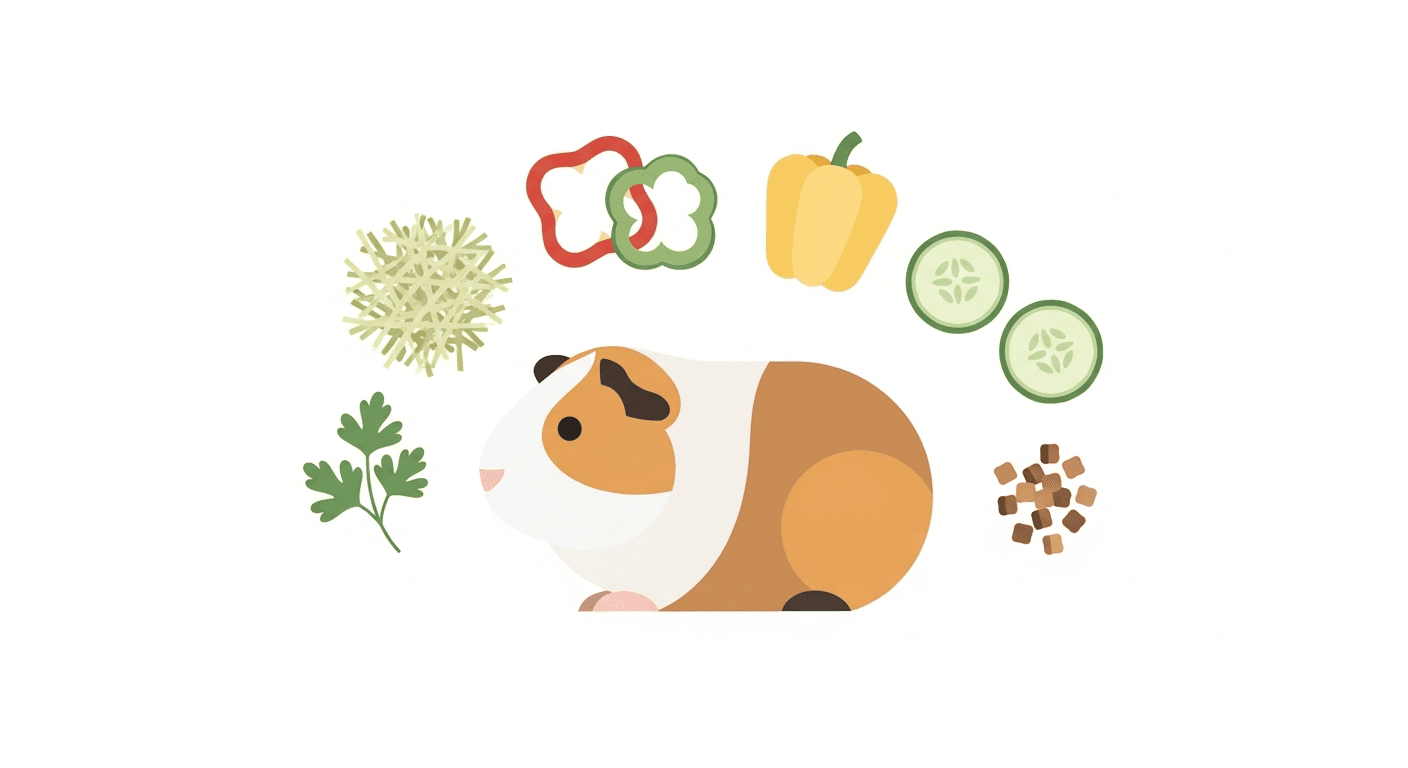
Complete Guinea Pig Diet Guide: What to Feed for Optimal Health
The right diet prevents most common guinea pig diseases. Learn the correct proportions of hay, vegetables, vitamin C sources, and pellets for healthy guinea pigs.
 🐹 Guinea Pig Health
Daily Guinea Pig Care Routine: Essential Health Monitoring
A consistent daily care routine is the best protection against common guinea pig diseases. This checklist keeps you and your guinea pig on track every day.