
Why Guinea Pigs Cannot Live Alone
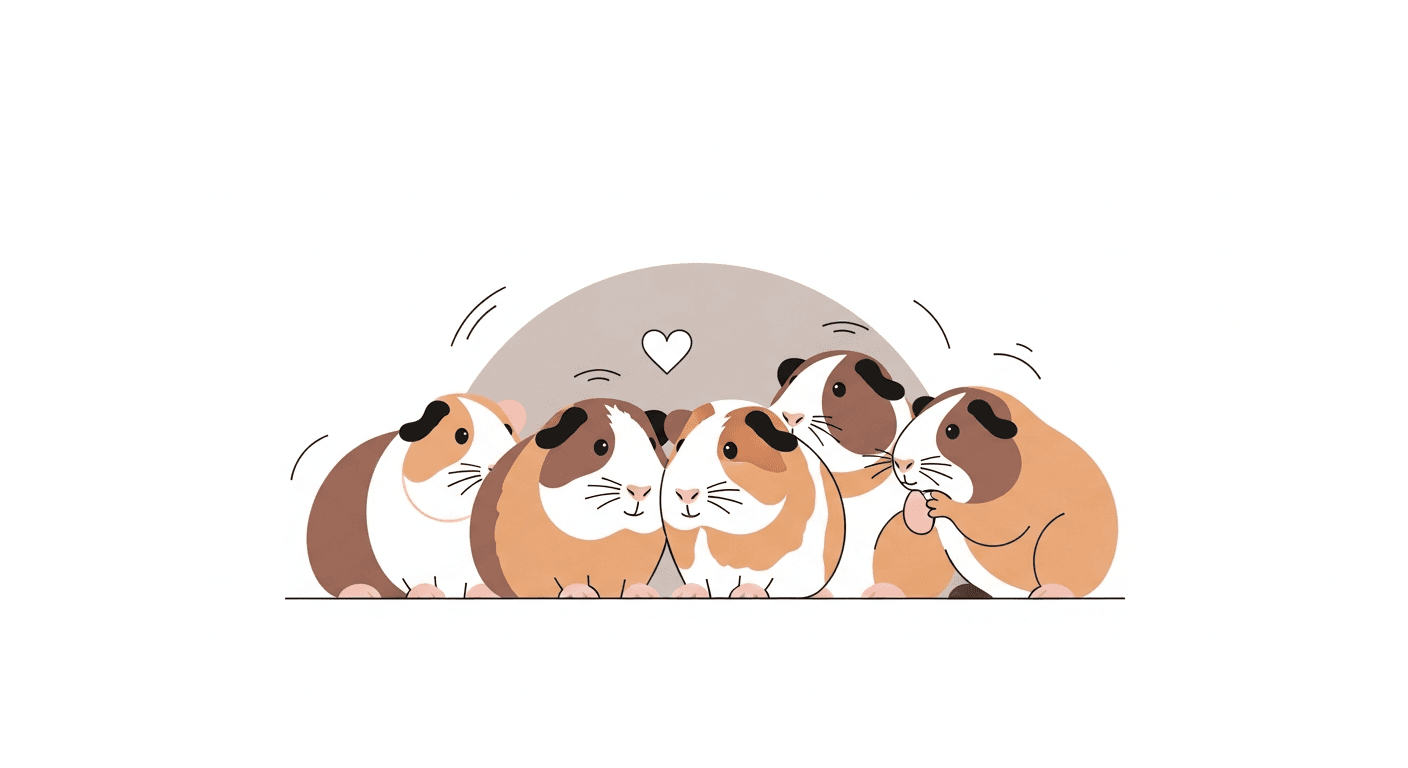
Guinea pigs are highly social herd animals. In the wild, they live in groups with constant social interaction, alarm calling, grooming, and comfort-seeking behaviors. Solitary guinea pigs suffer documented psychological stress — higher cortisol levels, reduced activity, reduced appetite, and increased vulnerability to illness. Switzerland has legally recognized this by making it illegal to keep just one guinea pig. Scientific evidence consistently shows that guinea pigs with companions live longer, healthier lives.
First 3 Steps for Introducing a New Companion
- Choose the right pairing: Same-sex pairs are safest to avoid unwanted pregnancy. Two females (sows) or two neutered males usually bond well. An unneutered male with a female will result in pregnancy. Brother pairs or pairs bonded from birth are generally the easiest to maintain long-term.
- Quarantine before introduction: A new guinea pig should spend 2 weeks in a separate enclosure away from the established guinea pig. This quarantine period allows health screening and prevents disease transmission.
- Introduce on neutral territory: Use a large, clean space neither guinea pig has lived in. Provide multiple hiding spots so the submissive pig can escape. Expect some chasing, mounting, and chattering — this is normal dominance establishment. Actual biting causing injury requires temporary separation and slower reintroduction.
When to See the Vet
- Bite wounds resulting from introductions
- One guinea pig being consistently bullied and not eating
- A newly single guinea pig showing depression (lethargy, reduced eating) after losing a companion
Follow-Up Care Checklist
- Provide multiple feeding stations to prevent resource guarding
- Ensure the enclosure is large enough for both guinea pigs to have separate space
- Once bonded, don't separate guinea pigs — even brief separations require re-bonding
Track Social Behavior with TailRounds
Log behavioral observations about the guinea pig pair's interaction in the TailRounds Daily Log. Changes in social behavior can indicate health problems.
Book a Vet Appointment
For advice on guinea pig pairing, introduction protocols, or a depressed solitary guinea pig, book a behavioral consultation at Happy Paws.
Summary for Your Clinic Visit
Tell your vet the current social situation, whether you're considering a companion, any behavior concerns about your current guinea pig's activity and social engagement.
Continue Reading
 🐹 Guinea Pig Health
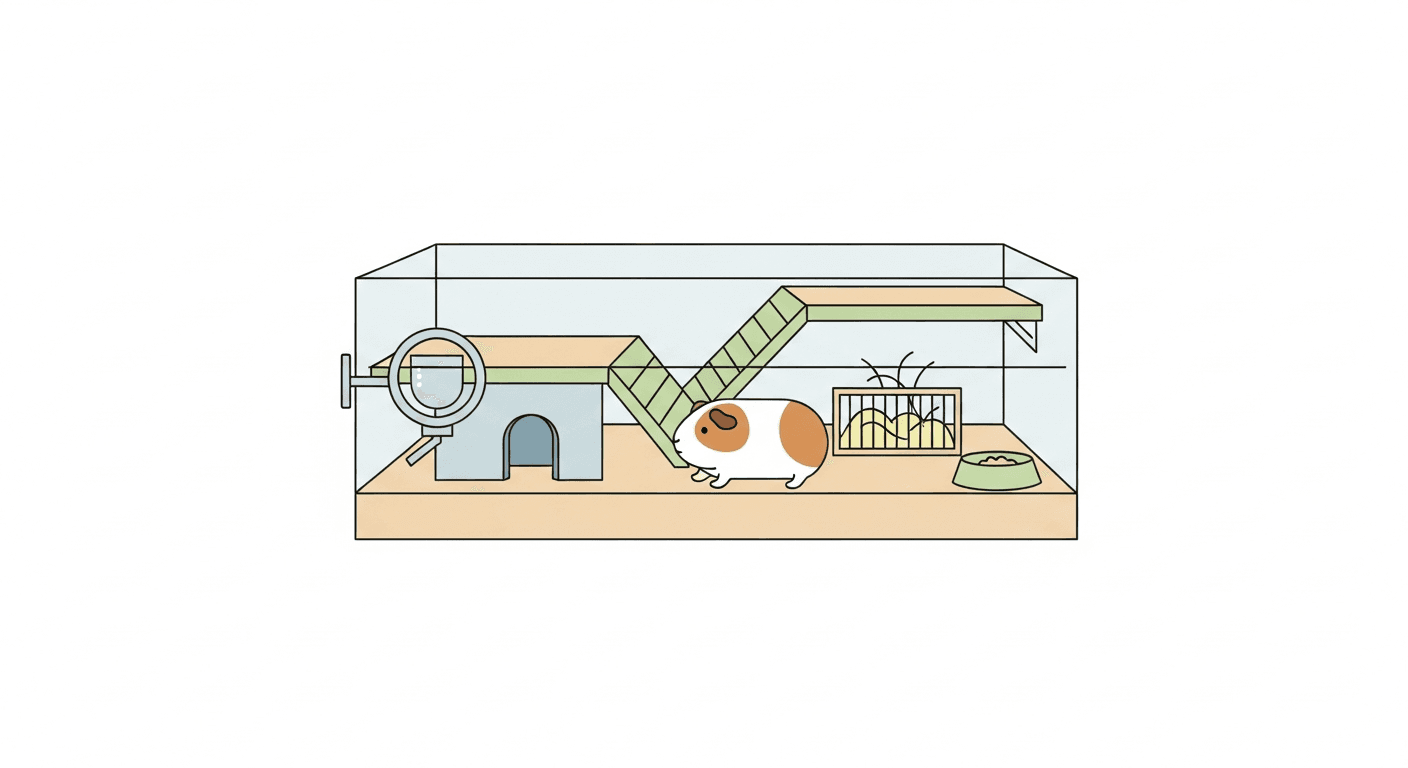
Guinea Pig Housing Guide: Space, Bedding, and Temperature
Proper housing is the foundation of guinea pig health. Learn the minimum space requirements, best bedding types, and environmental conditions guinea pigs need.
 🐹 Guinea Pig Health
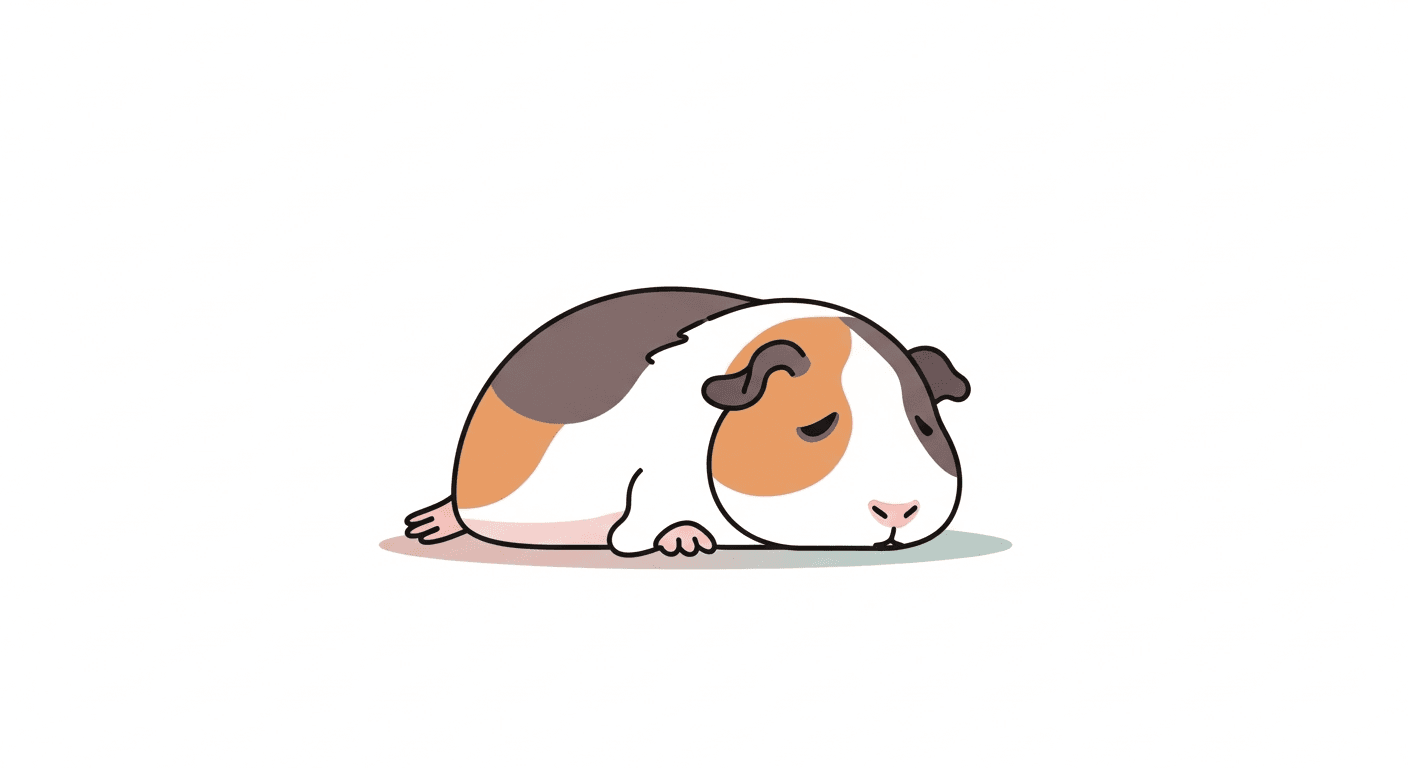
Lethargic Guinea Pig: When Tiredness Becomes a Medical Problem
Guinea pigs are naturally active and social. Sudden or progressive lethargy is always worth investigating. Learn the common causes and when to act.
 🐹 Guinea Pig Health
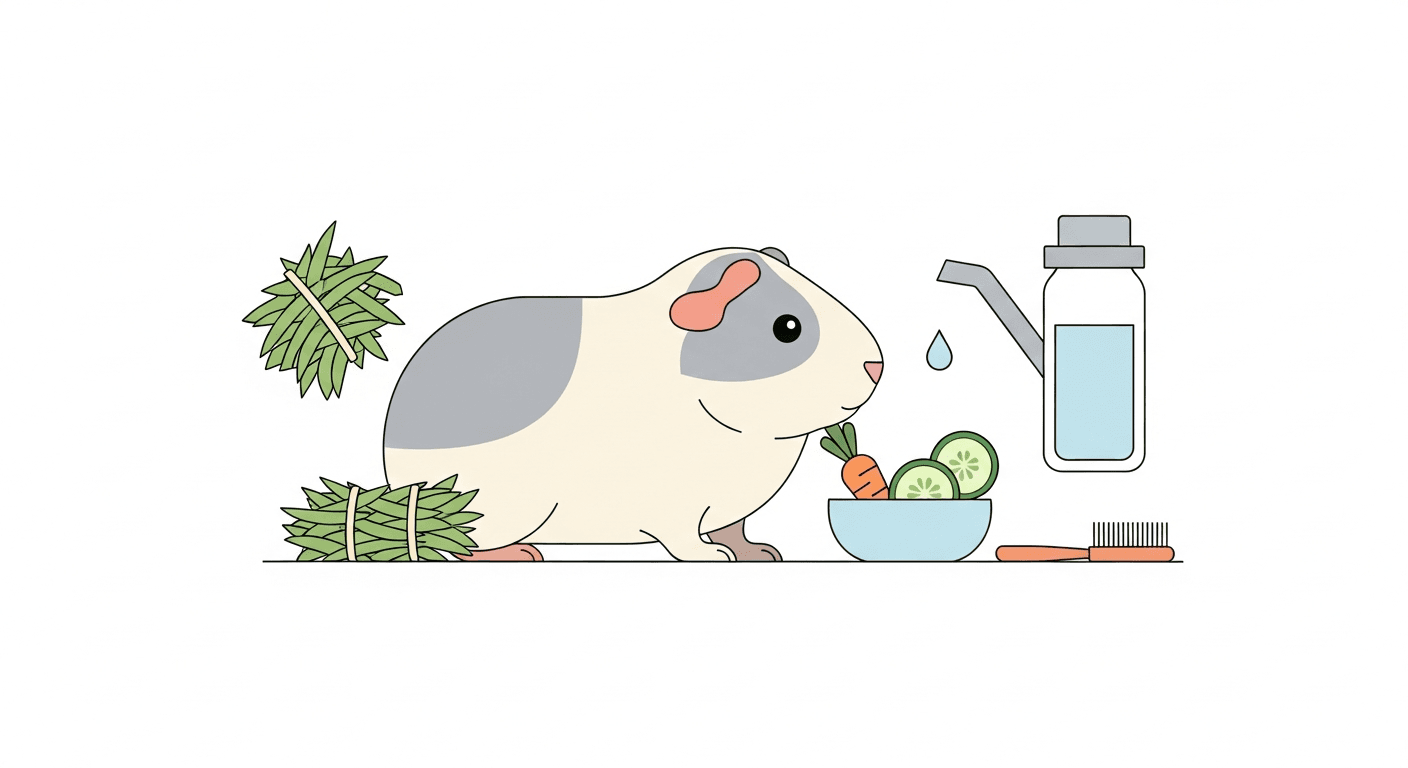
Daily Guinea Pig Care Routine: Essential Health Monitoring
A consistent daily care routine is the best protection against common guinea pig diseases. This checklist keeps you and your guinea pig on track every day.
 🐹 Guinea Pig Health
Complete Guinea Pig Diet Guide: What to Feed for Optimal Health
The right diet prevents most common guinea pig diseases. Learn the correct proportions of hay, vegetables, vitamin C sources, and pellets for healthy guinea pigs.