
What Housing Do Guinea Pigs Actually Need?
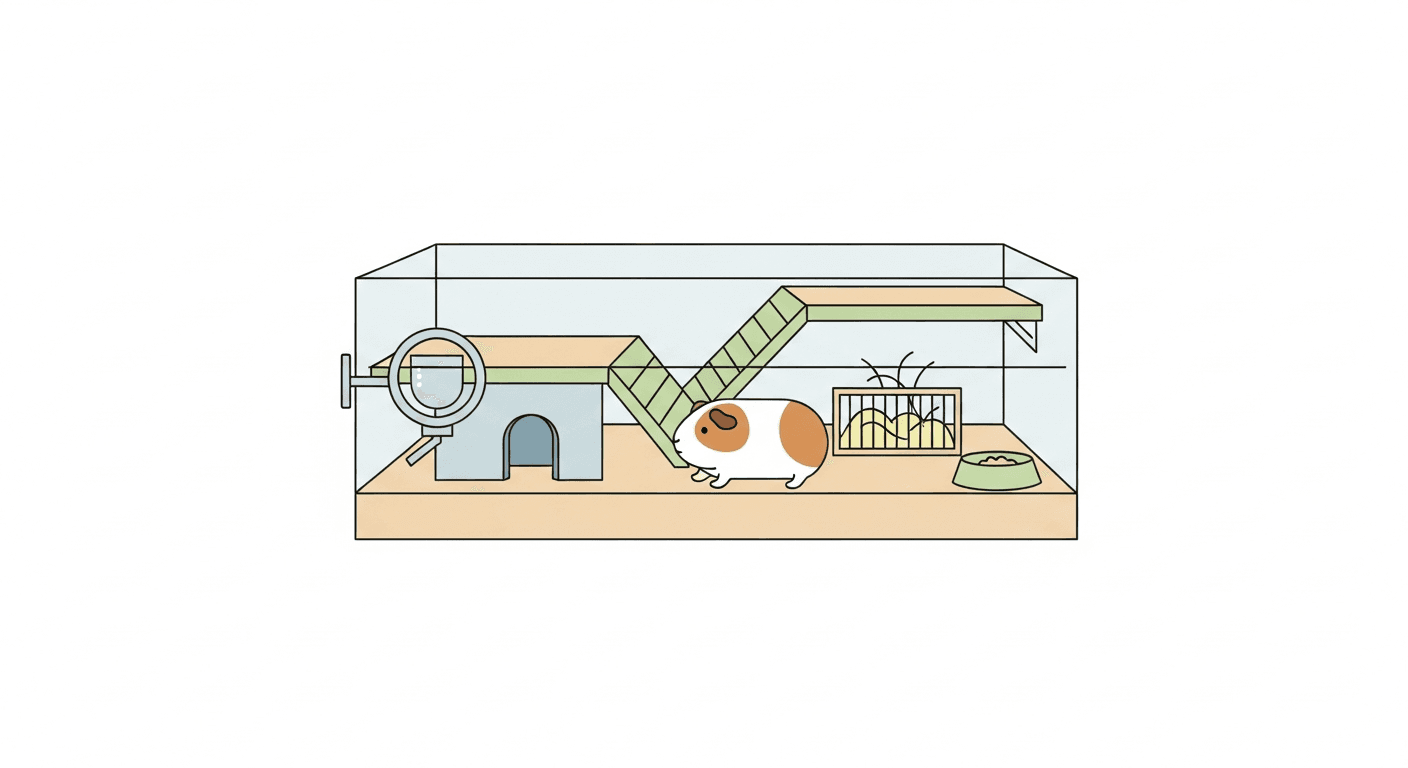
Most guinea pig cages sold in pet stores are far too small. Guinea pigs are active animals that need space to run, explore, and live comfortably with at least one companion. The minimum recommended space for two guinea pigs is 0.7–1 square meter of floor space (approximately 120cm × 60cm), though larger is always better. C&C (cubes and coroplast) enclosures are popular among experienced guinea pig owners because they're large, customizable, and inexpensive to build compared to commercial cages.
First 3 Steps to Optimize Housing
- Ensure adequate floor space: If your current enclosure is smaller than 120cm × 60cm for two guinea pigs, consider upgrading immediately. Overcrowding causes stress, resource competition, skin conditions from urine exposure, and behavioral problems.
- Choose appropriate bedding: Best options include paper-based bedding (CareFresh, paper pellets), fleece liners over absorbent material, or aspen shavings. Avoid cedar and pine shavings — aromatic oils from softwood are toxic to guinea pig respiratory systems. Avoid clay or clumping cat litter (ingestion risk).
- Maintain temperature between 18–24°C: Guinea pigs are highly temperature-sensitive. Above 27°C risks heat stroke; below 15°C risks hypothermia and respiratory illness. Keep away from direct sun, drafts, and air conditioning vents.
When to See the Vet
- Any health problem that has developed without obvious cause — housing may be a contributing factor
- Skin or respiratory problems developing in guinea pigs housed on cedar/pine shavings
- Bumblefoot (pododermatitis) — almost always housing-related
Follow-Up Care Checklist
- Clean the enclosure at least weekly for paper bedding; spot-clean daily; full change every 3–7 days
- Provide hiding houses for each guinea pig — secure hiding spots are essential for psychological health
- Enrichment: tunnels, hay racks, foraging areas, wooden chew toys
- House with at least one other guinea pig — guinea pigs kept alone develop significant psychological stress
Track Housing-Related Health with TailRounds
Log bedding changes, temperature monitoring, and any health symptoms correlated with housing changes in the TailRounds Daily Log.
Book a Vet Appointment
If housing-related conditions have developed, book at Happy Paws for treatment and housing assessment advice.
Summary for Your Clinic Visit
Tell your vet the enclosure size, bedding type used, temperature of the environment, and how many guinea pigs share the space.
Continue Reading
 🐹 Guinea Pig Health
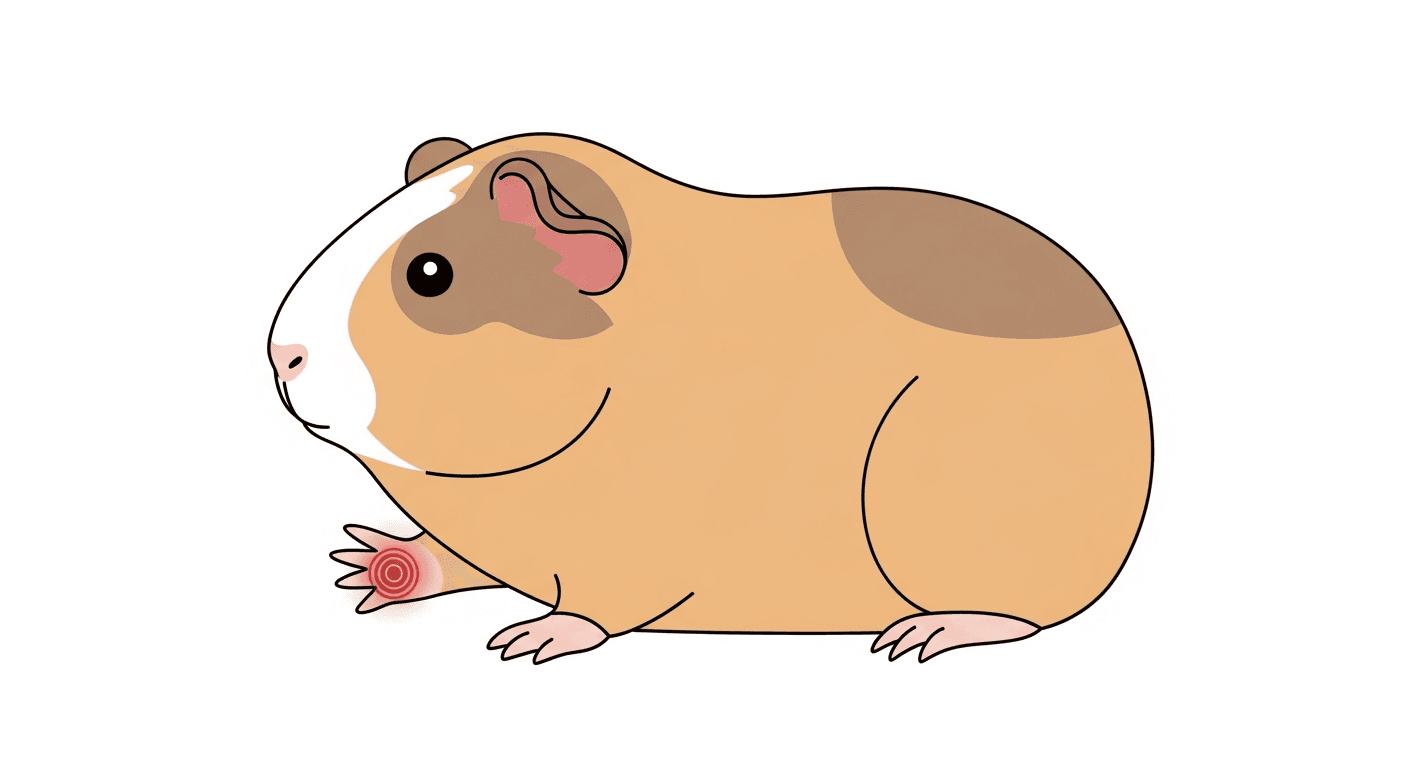
Bumblefoot in Guinea Pigs: Prevention and Treatment
Bumblefoot (pododermatitis) is a painful, potentially life-threatening foot condition in guinea pigs caused by inappropriate flooring. Learn prevention and treatment.
 🐹 Guinea Pig Health
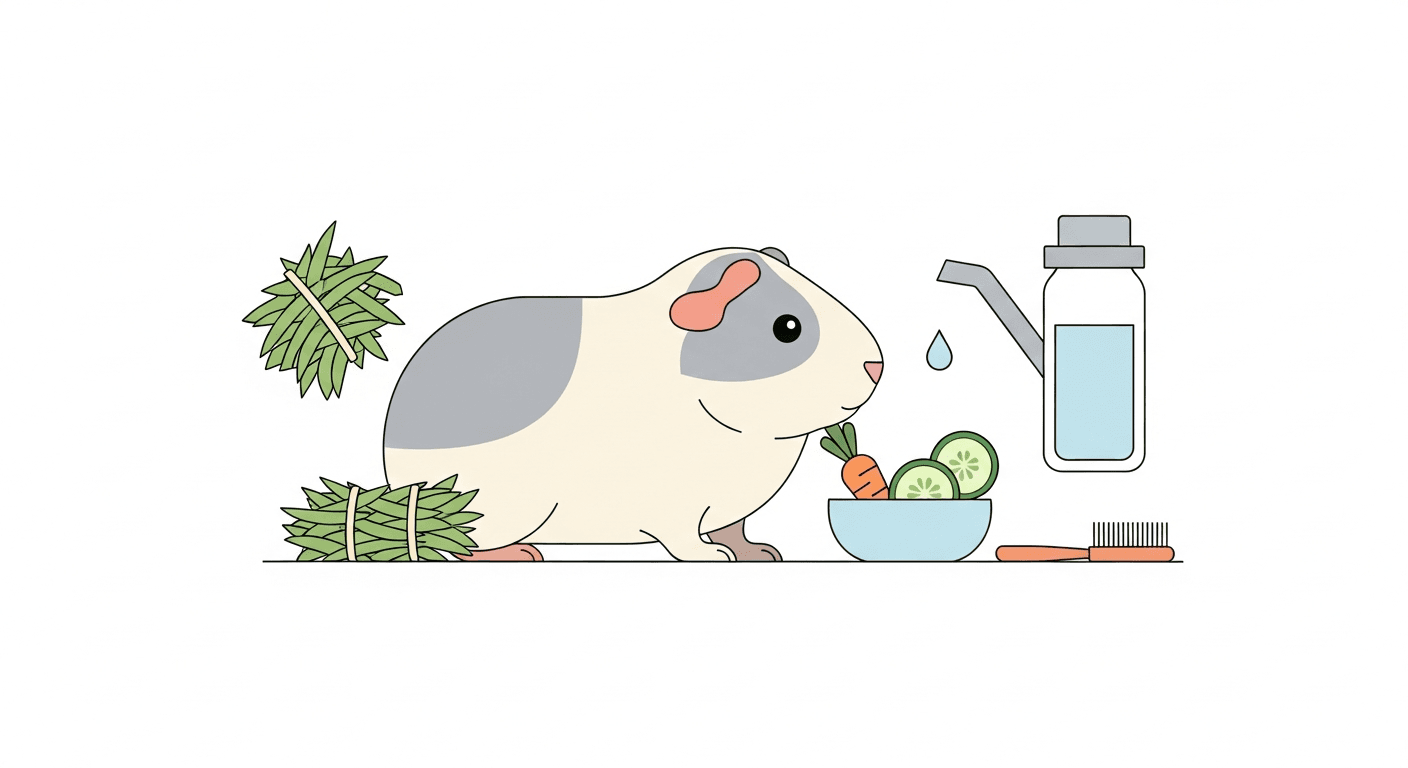
Daily Guinea Pig Care Routine: Essential Health Monitoring
A consistent daily care routine is the best protection against common guinea pig diseases. This checklist keeps you and your guinea pig on track every day.
 🐹 Guinea Pig Health
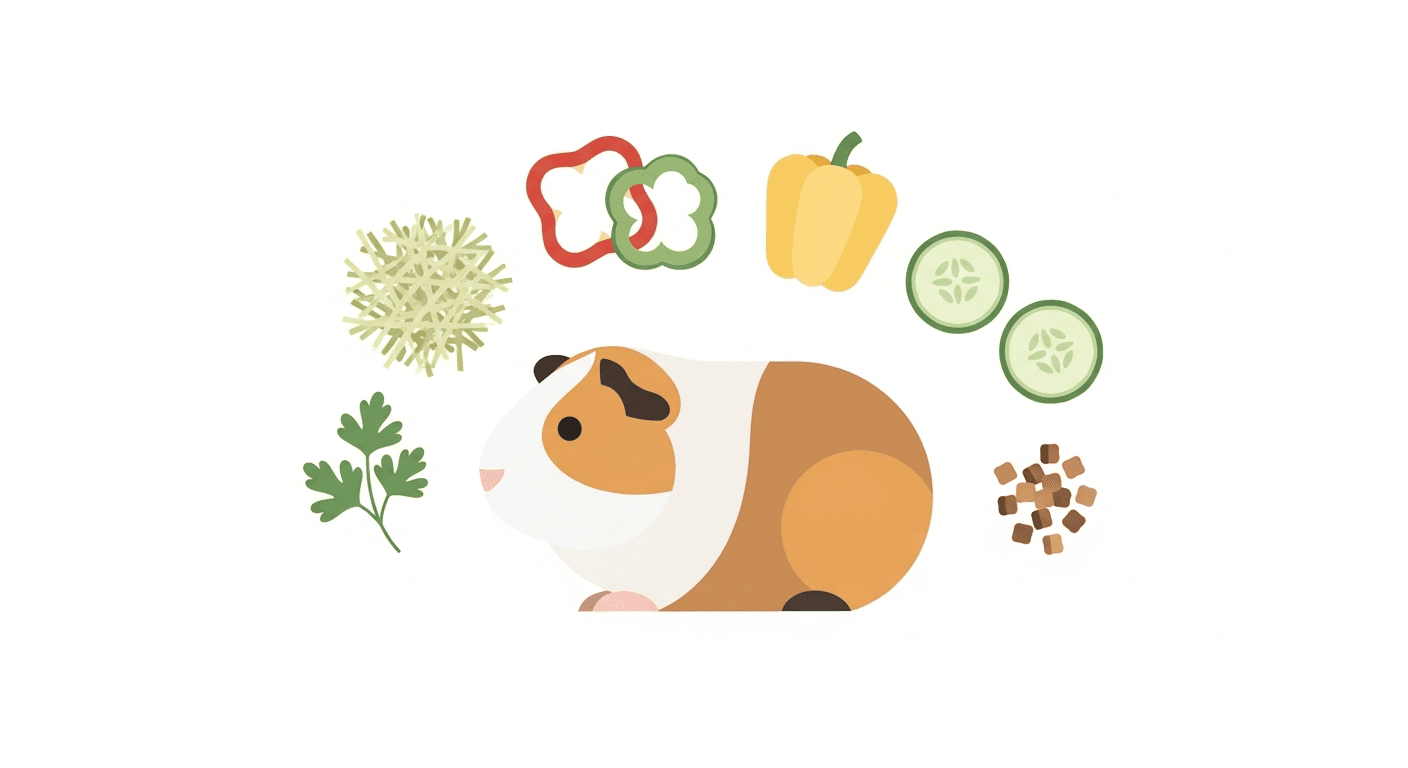
Complete Guinea Pig Diet Guide: What to Feed for Optimal Health
The right diet prevents most common guinea pig diseases. Learn the correct proportions of hay, vegetables, vitamin C sources, and pellets for healthy guinea pigs.
 🐹 Guinea Pig Health
Guinea Pig Social Needs: Why Keeping a Lone Guinea Pig Is Harmful
Guinea pigs are social animals that suffer psychologically and physically when kept alone. Learn why companionship is essential and how to introduce a new guinea pig.