
When Is a Guinea Pig "Senior"?
Guinea pigs typically live 4–7 years, with exceptional individuals reaching 8–10 years. Guinea pigs are considered senior from age 4 and geriatric from age 5–6. At these ages, the risk of dental disease, ovarian cysts (in unspayed females), tumors, heart disease, and kidney disease all increase significantly. Senior guinea pigs benefit from twice-yearly veterinary exams (versus annual for young adults), weight monitoring at every visit, and proactive management of emerging conditions.
First 3 Steps for Senior Guinea Pig Care
- Increase vet check frequency to twice yearly: Many conditions that are easily managed when caught early become difficult to treat when found late. A 6-monthly exam with basic bloodwork allows early detection of kidney disease, heart disease, and other age-related conditions.
- Weigh monthly: Weight loss is the most sensitive early indicator of disease in senior guinea pigs. Monthly weighing at home, with results shared at each vet visit, provides the trend data that makes early diagnosis possible.
- Modify the environment for comfort: Arthritis affects many senior guinea pigs. Lower ramps, soft bedding, easy access to food and water without climbing, and warm resting spots reduce pain and improve quality of life.
Common Senior Guinea Pig Conditions
- Dental disease — nearly universal in guinea pigs over 4 years
- Ovarian cysts — affecting most unspayed females by age 3–4
- Tumors (skin and internal) — incidence increases with age
- Arthritis — reduced mobility, reluctance to climb or exercise
- Heart disease — weight loss, exercise intolerance, labored breathing
- Kidney disease — weight loss, increased thirst, reduced food intake
When to Go to the Vet Immediately
- Rapid weight loss over 1–2 weeks
- Any breathing difficulty
- Sudden changes in behavior, mobility, or appetite
Follow-Up Care Checklist
- Pain management for arthritis — discuss appropriate options with your vet
- Critical care feeding if eating becomes difficult due to dental disease
- Vitamin C requirement may need supplementation as appetite decreases with age
- Quality of life assessment — discuss palliative care and humane euthanasia options with your vet as needed
Track Senior Health with TailRounds
Monthly weight, daily appetite, activity level, and any new symptoms should all be logged consistently in the TailRounds Daily Log for senior guinea pigs.
Book a Vet Appointment
Is your guinea pig over 4? Schedule a senior wellness exam today. Book at Happy Paws for a comprehensive senior assessment with bloodwork and body condition scoring.
Summary for Your Clinic Visit
Bring your weight log, describe activity and appetite changes, note any new lumps or skin changes, and bring a list of current supplements and medications.
Continue Reading
 🐹 Guinea Pig Health
Guinea Pig Not Eating: Causes and When to Act
Like rabbits, guinea pigs cannot safely skip meals. Learn the common causes of appetite loss and how quickly you need to respond.
 🐹 Guinea Pig Health
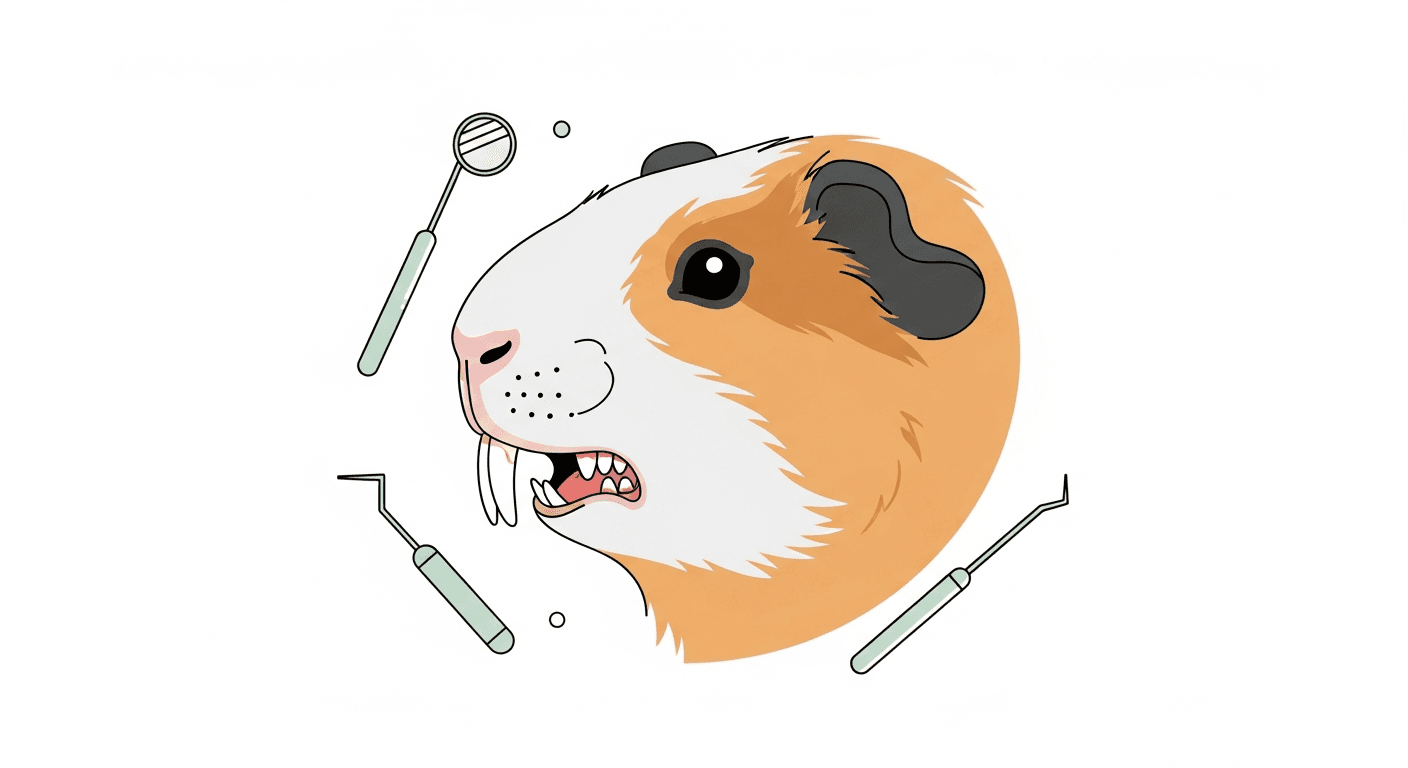
Guinea Pig Dental Disease: Malocclusion and Tooth Spurs
Dental disease is the leading health problem in guinea pigs. Learn how it develops, what symptoms look like, and why regular dental checks are essential.
 🐹 Guinea Pig Health
Guinea Pig Weight Loss: Causes and When to Act
Weight loss in guinea pigs signals underlying disease. Learn to detect it early and which conditions are most likely causing it.
 🐹 Guinea Pig Health
Daily Guinea Pig Care Routine: Essential Health Monitoring
A consistent daily care routine is the best protection against common guinea pig diseases. This checklist keeps you and your guinea pig on track every day.