
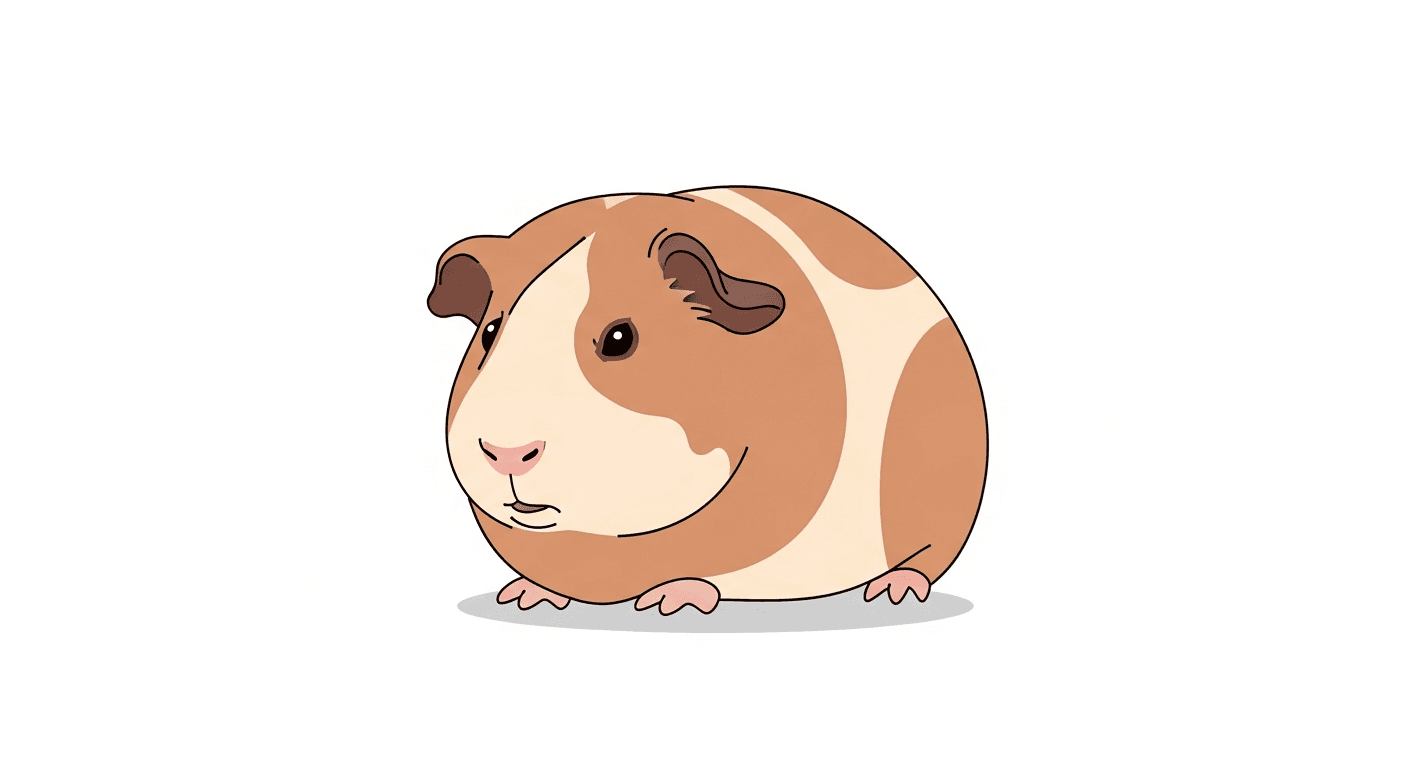
Why Guinea Pigs Hide Pain
As prey animals, guinea pigs evolved to conceal weakness. In the wild, appearing sick or injured attracts predators. This means that by the time a guinea pig shows obvious signs of pain — like vocalizing, refusing to move, or completely stopping eating — the condition is often advanced.
Owners who learn to read subtle pain signals can intervene days or weeks earlier, dramatically improving outcomes.
First 3 Steps at Home
- Watch posture and movement: A guinea pig in pain often adopts a hunched, "ball-like" posture, moves less freely, or avoids using a specific limb. Compare current movement to the guinea pig's normal activity level.
- Observe facial expression: Research into guinea pig grimace scales shows that pain alters the eyes (partially closed or sunken-looking), nose (tense nostrils), and cheek muscles (tight, drawn back). A dull, flat expression replaces the bright-eyed alertness of a healthy pig.
- Check for tooth grinding: Bruxism — grinding teeth together — is a reliable pain indicator in guinea pigs. It differs from teeth chattering (a social signal) in that it occurs in relaxed, isolated animals and is accompanied by a vacant expression.
When to Go to the Vet Immediately
- Obvious vocalization — squealing when touched or when trying to move
- Complete refusal to eat for more than 4–6 hours
- Abnormal gait, limping, or refusal to bear weight on a limb
- Visible swelling, wound, or injury site
- Guarding of the abdomen — flinching when the belly is gently palpated
Follow-Up Care Checklist
- Never give human pain medications — ibuprofen, paracetamol, and aspirin are all toxic to guinea pigs
- Keep the guinea pig warm and quiet while preparing for vet transport
- Offer favorite foods gently — a painful guinea pig may eat familiar treats when it won't eat regular food
- Isolate from cage mates to prevent bullying of a weakened individual
- Follow prescribed pain management exactly — most exotic vets use meloxicam for guinea pig pain
Track Pain Indicators with TailRounds
Daily behavioral notes in the TailRounds Daily Log create a baseline that makes subtle changes detectable. A week of "normal" logs followed by a shift in activity, appetite, or posture immediately signals something has changed.
Book a Vet Appointment
If you suspect your guinea pig is in pain, don't wait. Guinea pigs deteriorate rapidly once they stop eating. Book at Happy Paws with our exotic team for same-day assessment when possible.
Summary for Your Clinic Visit
Note when you first observed changes in behavior or appearance, describe the specific signs you noticed (posture, expression, appetite, movement), and mention any events that preceded the change (diet change, new cage mate, recent handling).
Continue Reading
 🐹 Guinea Pig Health
Lethargic Guinea Pig: When Tiredness Becomes a Medical Problem
Guinea pigs are naturally active and social. Sudden or progressive lethargy is always worth investigating. Learn the common causes and when to act.
 🐹 Guinea Pig Health
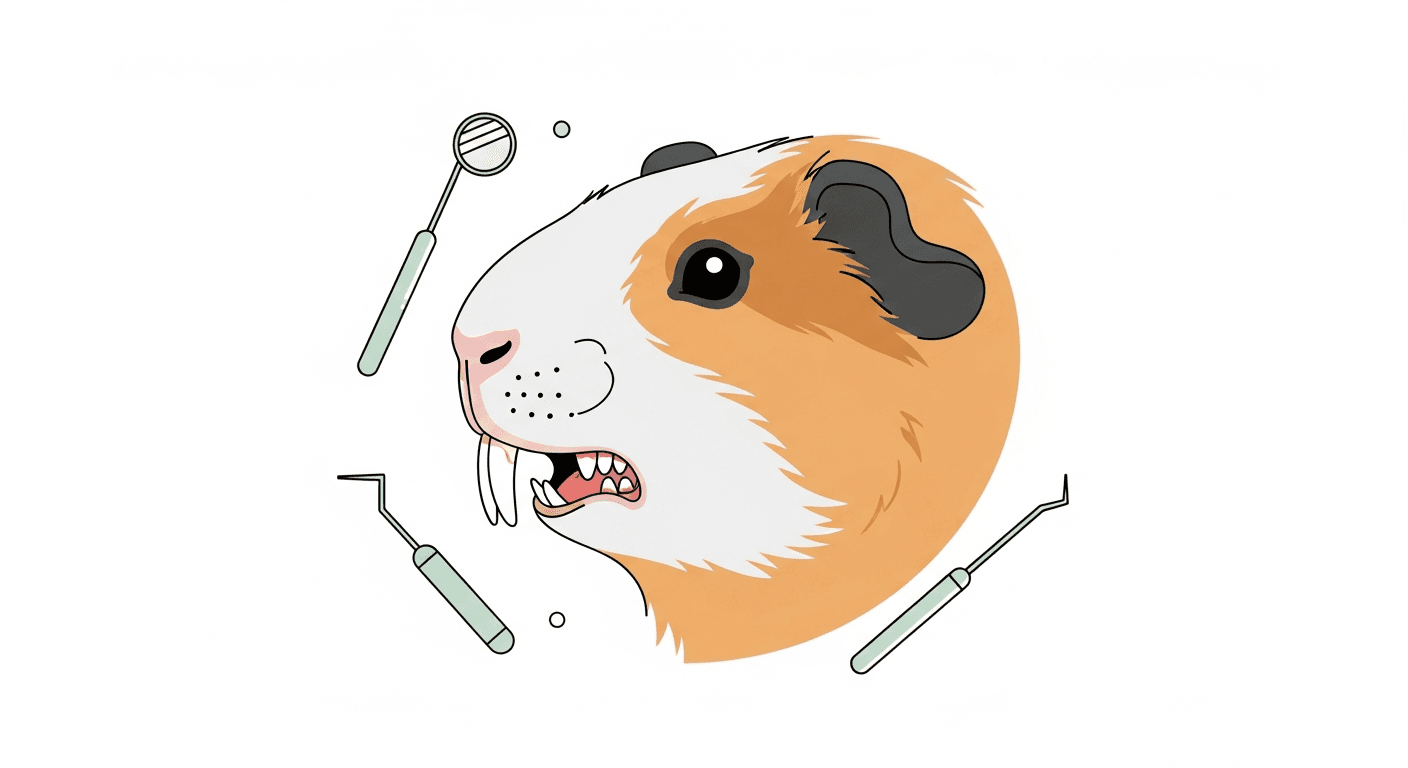
Guinea Pig Dental Disease: Malocclusion and Tooth Spurs
Dental disease is the leading health problem in guinea pigs. Learn how it develops, what symptoms look like, and why regular dental checks are essential.
 🐹 Guinea Pig Health
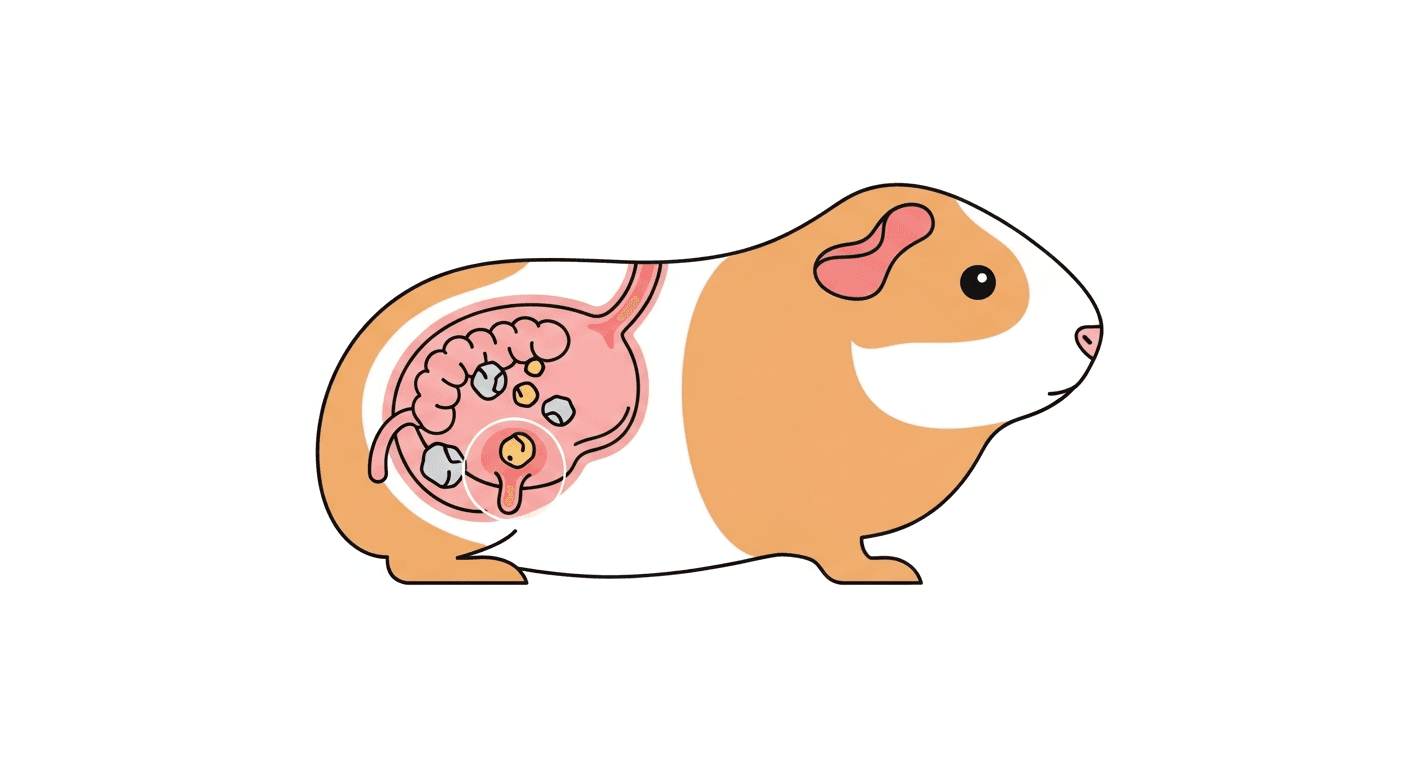
Bladder Stones in Guinea Pigs: Signs and Surgical Treatment
Calcium oxalate and calcium carbonate stones in guinea pig bladders cause severe pain and can be life-threatening. Learn the signs and what treatment involves.
 🐹 Guinea Pig Health
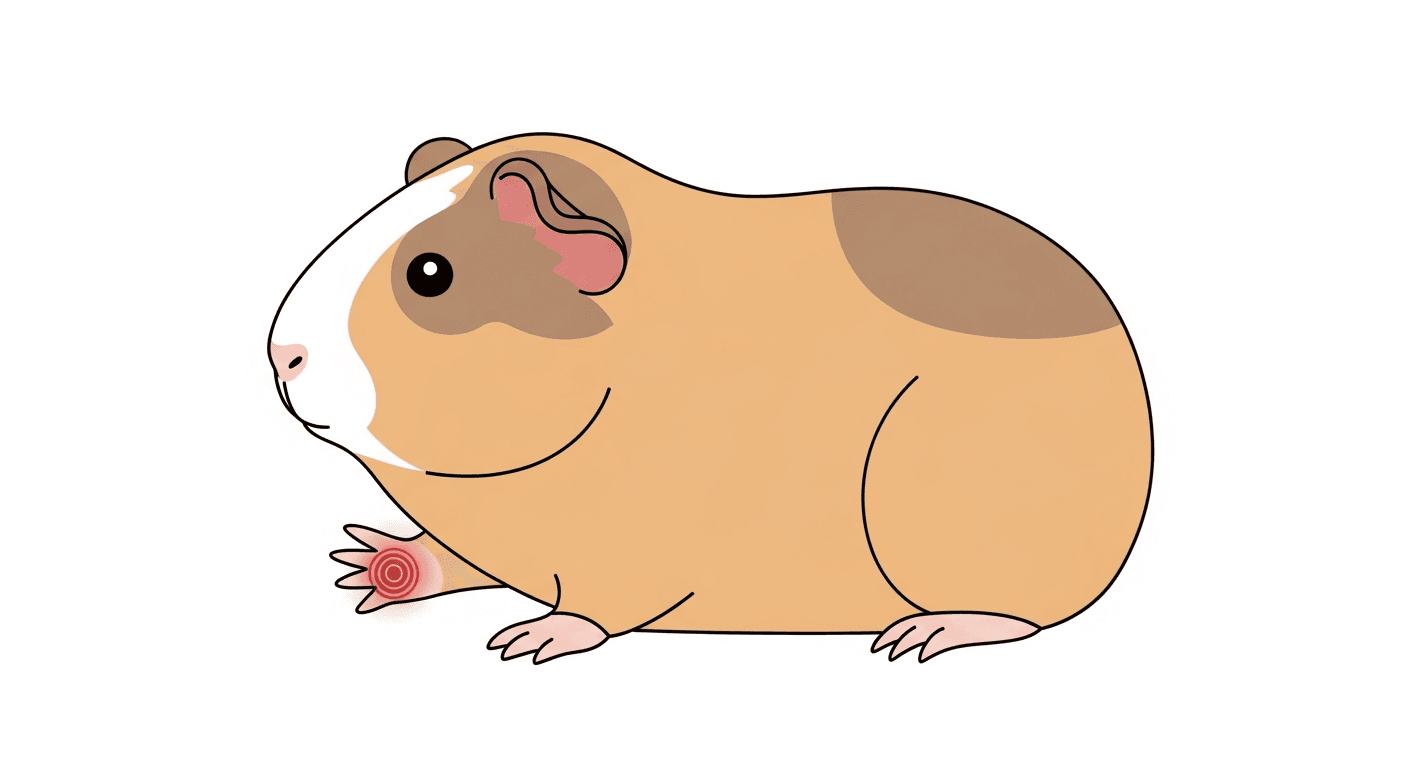
Bumblefoot in Guinea Pigs: Prevention and Treatment
Bumblefoot (pododermatitis) is a painful, potentially life-threatening foot condition in guinea pigs caused by inappropriate flooring. Learn prevention and treatment.