
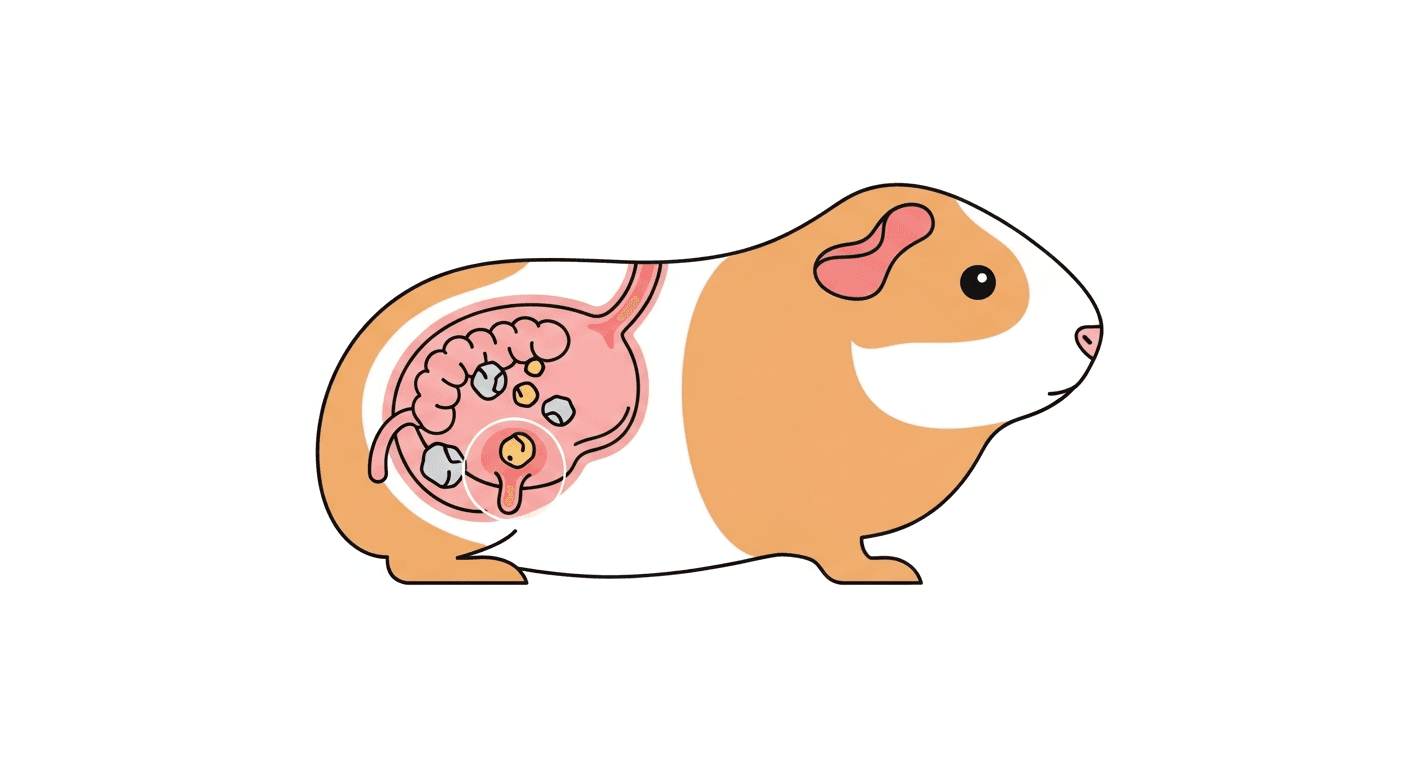
Why Are Guinea Pigs Prone to Bladder Stones?
Guinea pigs have a unique calcium metabolism — they absorb nearly all dietary calcium directly (unlike rabbits, which regulate absorption). Any excess calcium is excreted through the urine. A high-calcium diet leads to thick, sludgy urine and eventually to stone formation. Calcium carbonate stones are the most common type in guinea pigs. Stones form in the bladder and can obstruct the urethra — particularly dangerous in males, whose urethra is significantly narrower.
The most common dietary culprits are excessive alfalfa hay (very high calcium — appropriate only for young animals), calcium-rich greens given in excess (kale, spinach), and high-calcium pellets.
Signs of Bladder Stones in Guinea Pigs
- Straining to urinate with small output or blood-tinged urine
- Crying or teeth grinding while urinating
- Walking with a hunched posture
- White, gritty, chalky, or paste-like urine residue in the cage
- Weight loss from reduced eating due to pain
- Wet fur around the genitals from dribbling
First 3 Steps to Take at Home
- Check the urine appearance: White, chalky, or sandy urine (calcium sludge) in the cage is an important early sign. Clean the cage daily during suspicion so you can assess fresh urine accurately.
- Review the diet for calcium: Switch from alfalfa hay to timothy hay immediately. Reduce or eliminate spinach, kale, and other high-calcium greens. These dietary changes reduce the rate of stone formation but won't dissolve existing stones.
- Book a vet appointment promptly: Diagnosis requires X-ray (calcium stones are radiopaque and clearly visible). Ultrasound may also be used. Surgery (cystotomy) is the standard treatment for most bladder stones in guinea pigs.
When to Go to the Vet Immediately
- Male guinea pig not producing urine — urethral obstruction emergency
- Blood in urine combined with pain and straining
- Guinea pig suddenly very lethargic and not eating
Follow-Up Care Checklist
- Post-surgery: restrict activity, maintain warmth, and monitor eating and urination closely
- Permanently switch to a low-calcium diet after surgery — stone recurrence is common without dietary change
- Increase fluid intake with fresh vegetables and offering water in a bowl (guinea pigs often drink more from bowls than bottles)
- Recheck X-ray in 6 months to screen for stone recurrence
Track Urinary Symptoms with TailRounds
Log urine appearance, frequency, and any pain signs daily using the TailRounds Daily Log. Monitoring is especially important post-surgery.
Book a Vet Appointment
Straining to urinate or blood in urine in a guinea pig requires X-ray evaluation. Book at Happy Paws with our exotic animal team for same-week assessment.
Summary for Your Clinic Visit
Tell your vet about straining or pain during urination, describe urine appearance, note the guinea pig's diet in detail (especially hay type and calcium-rich greens), and mention any prior history of bladder problems.
Continue Reading
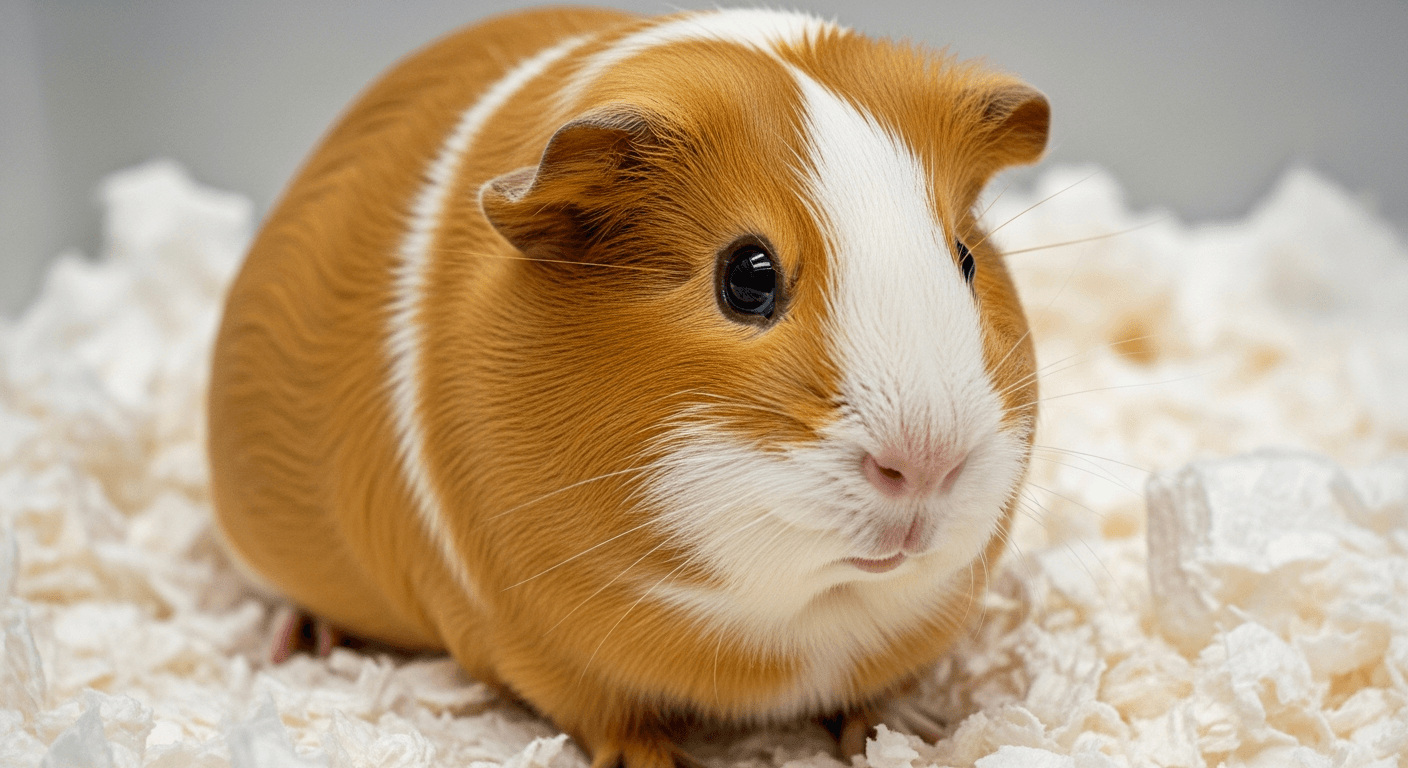 🐹 Guinea Pig Health
Guinea Pig Not Eating: Causes and When to Act
Like rabbits, guinea pigs cannot safely skip meals. Learn the common causes of appetite loss and how quickly you need to respond.
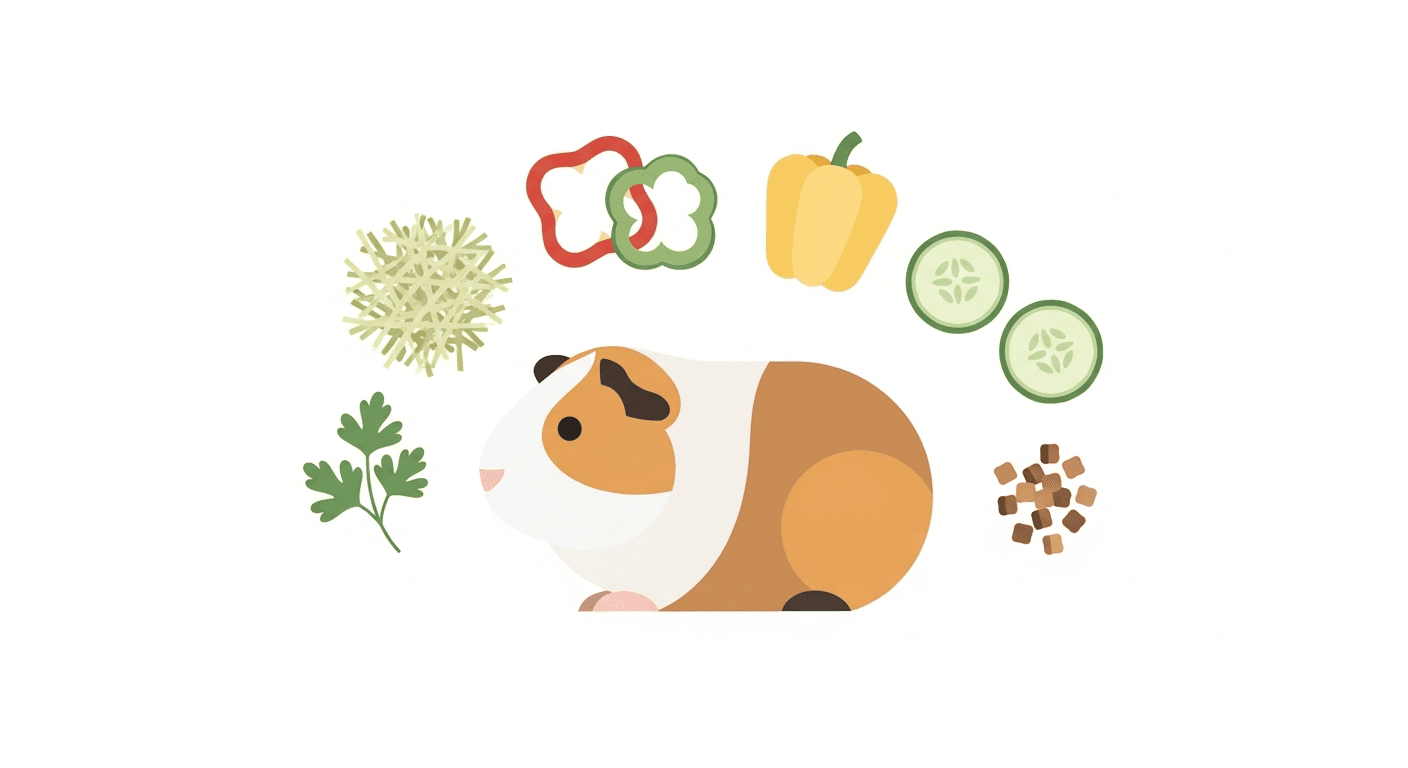 🐹 Guinea Pig Health
Complete Guinea Pig Diet Guide: What to Feed for Optimal Health
The right diet prevents most common guinea pig diseases. Learn the correct proportions of hay, vegetables, vitamin C sources, and pellets for healthy guinea pigs.
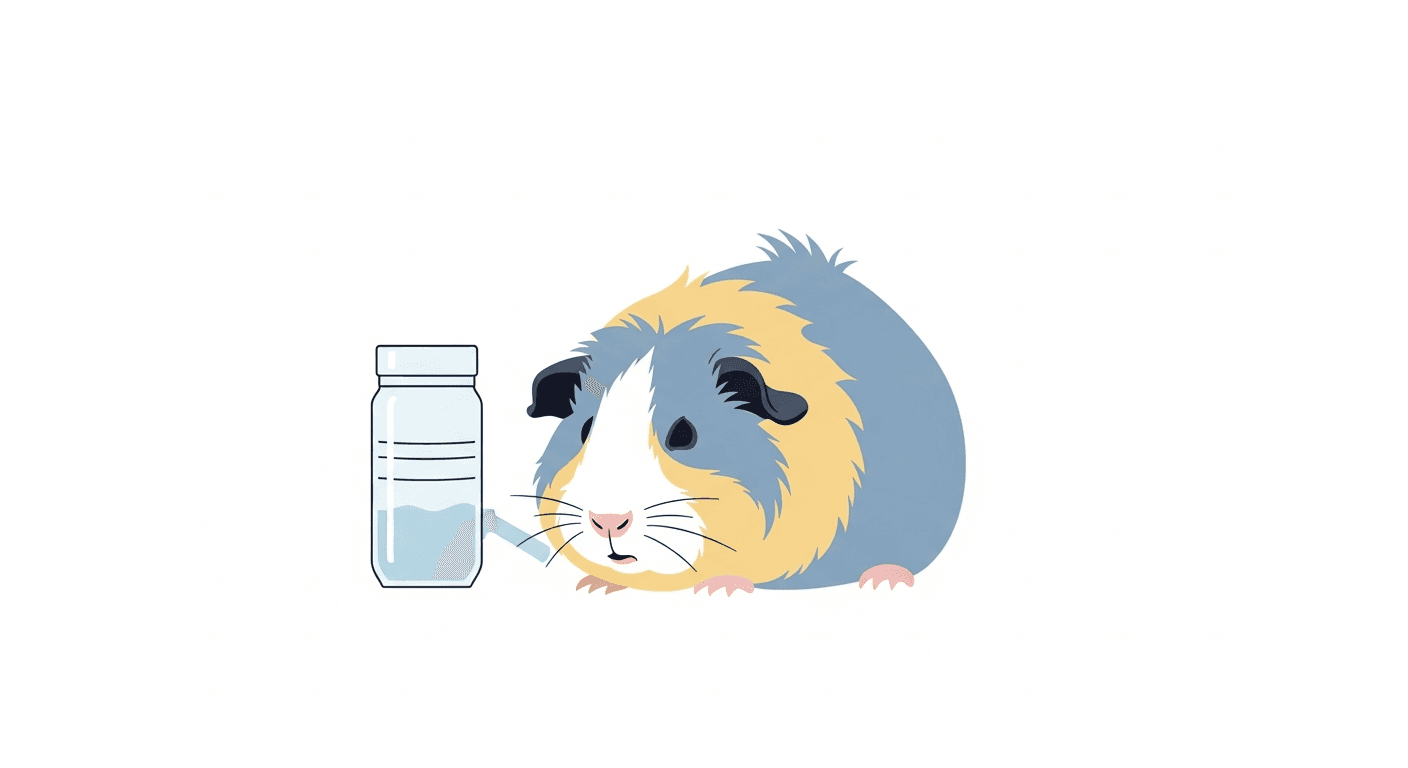 🐹 Guinea Pig Health
Guinea Pig Dehydration: Signs and How to Improve Hydration
Dehydrated guinea pigs deteriorate quickly. Learn to assess hydration at home and how to encourage water intake effectively.
 🐹 Guinea Pig Health
Daily Guinea Pig Care Routine: Essential Health Monitoring
A consistent daily care routine is the best protection against common guinea pig diseases. This checklist keeps you and your guinea pig on track every day.