
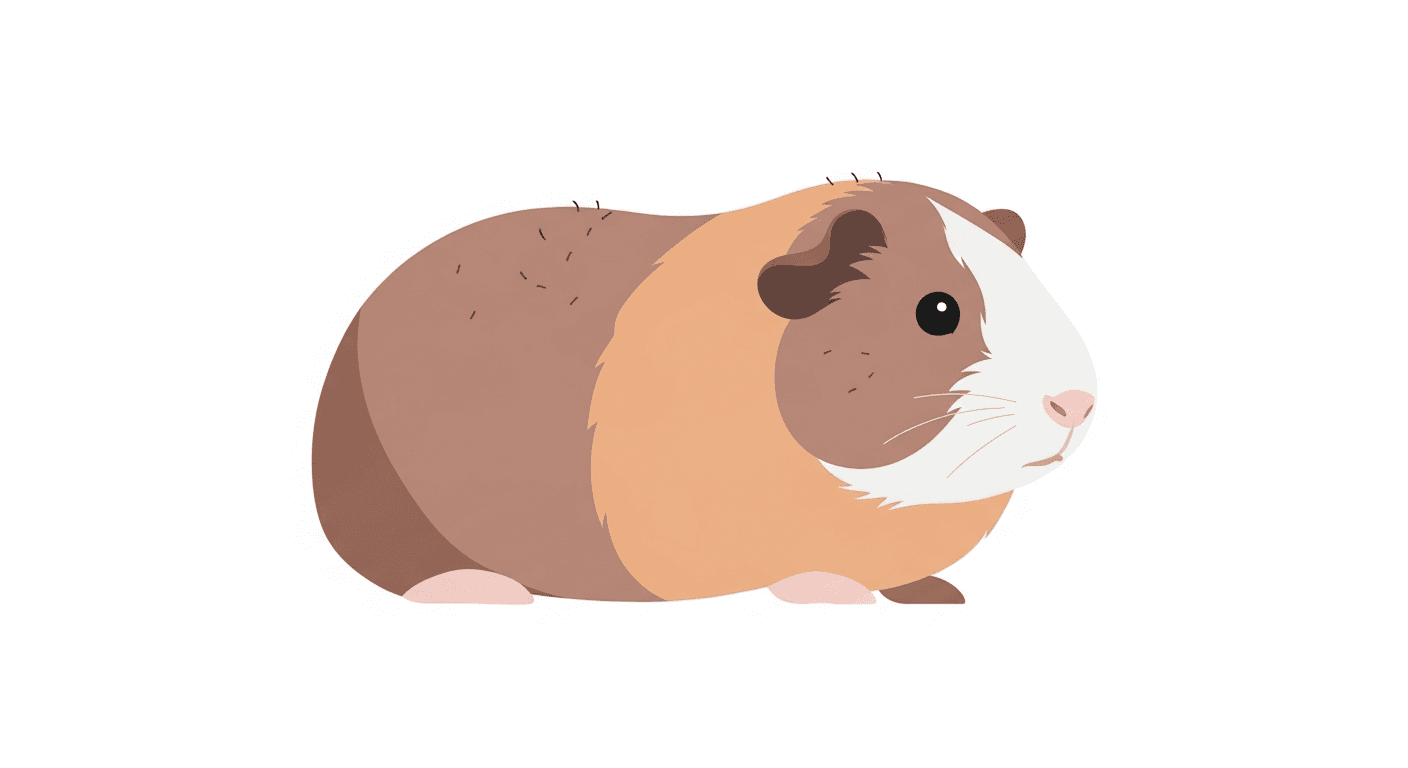
What Lice Affect Guinea Pigs?
Guinea pigs are commonly affected by two species of lice: Gliricola porcelli (long, narrow body) and Gyropus ovalis (oval-shaped). Both are chewing lice — they feed on skin debris and secretions rather than blood. Despite being less medically serious than mites, heavy lice infestations cause significant itching, hair loss, skin irritation, and stress. Lice are species-specific to guinea pigs — they cannot survive on or infect humans or other pets. However, they spread readily between guinea pigs through direct contact or shared bedding.
First 3 Steps to Identify and Address Lice
- Look through the fur with a fine-toothed comb: Part the fur against the grain and look near the skin. Lice are visible to the naked eye — small (1–2mm), elongated, pale insects. Eggs (nits) are tiny white ovals attached to hair shafts. Heavy infestations have visible movement when the fur is parted.
- Assess the itch severity: Mild lice infestation causes occasional scratching. Severe infestation causes constant scratching, hair loss, and skin excoriation. The severity guides the urgency of treatment.
- Do not use dog or cat lice treatments: Many parasite products safe for other species are toxic to guinea pigs. Only use treatments approved for guinea pigs or prescribed by your vet.
When to Go to the Vet Immediately
- Guinea pig scratching constantly to the point of self-injury
- Heavy infestation with skin wounds or bleeding
- Not sure if the infestation is lice or mites (Trixacarus mites require emergency treatment)
Follow-Up Care Checklist
- Treat all guinea pigs in the household simultaneously
- Wash and replace all bedding
- Treatment typically involves ivermectin or selamectin — given 2–3 times, 10–14 days apart to kill hatching eggs
- Recheck in 3 weeks to confirm eradication
Track Treatment with TailRounds
Log treatment dates and itching severity in the TailRounds Daily Log to confirm the lice are being eliminated.
Book a Vet Appointment
For confirmed lice treatment or to distinguish lice from mites, book at Happy Paws with our exotic animal team.
Summary for Your Clinic Visit
Tell your vet how many guinea pigs are affected, the severity of itching, whether you've seen the parasites, and any prior treatment attempted.
Continue Reading
 🐹 Guinea Pig Health
Guinea Pig Skin Problems: Mites, Ringworm, and Fungal Infections
Itching, hair loss, and skin lesions in guinea pigs are usually caused by parasites or fungi. Learn to identify the common skin conditions and how they're treated.
 🐹 Guinea Pig Health
Daily Guinea Pig Care Routine: Essential Health Monitoring
A consistent daily care routine is the best protection against common guinea pig diseases. This checklist keeps you and your guinea pig on track every day.
 🐹 Guinea Pig Health
Guinea Pig Housing Guide: Space, Bedding, and Temperature
Proper housing is the foundation of guinea pig health. Learn the minimum space requirements, best bedding types, and environmental conditions guinea pigs need.
 🐹 Guinea Pig Health
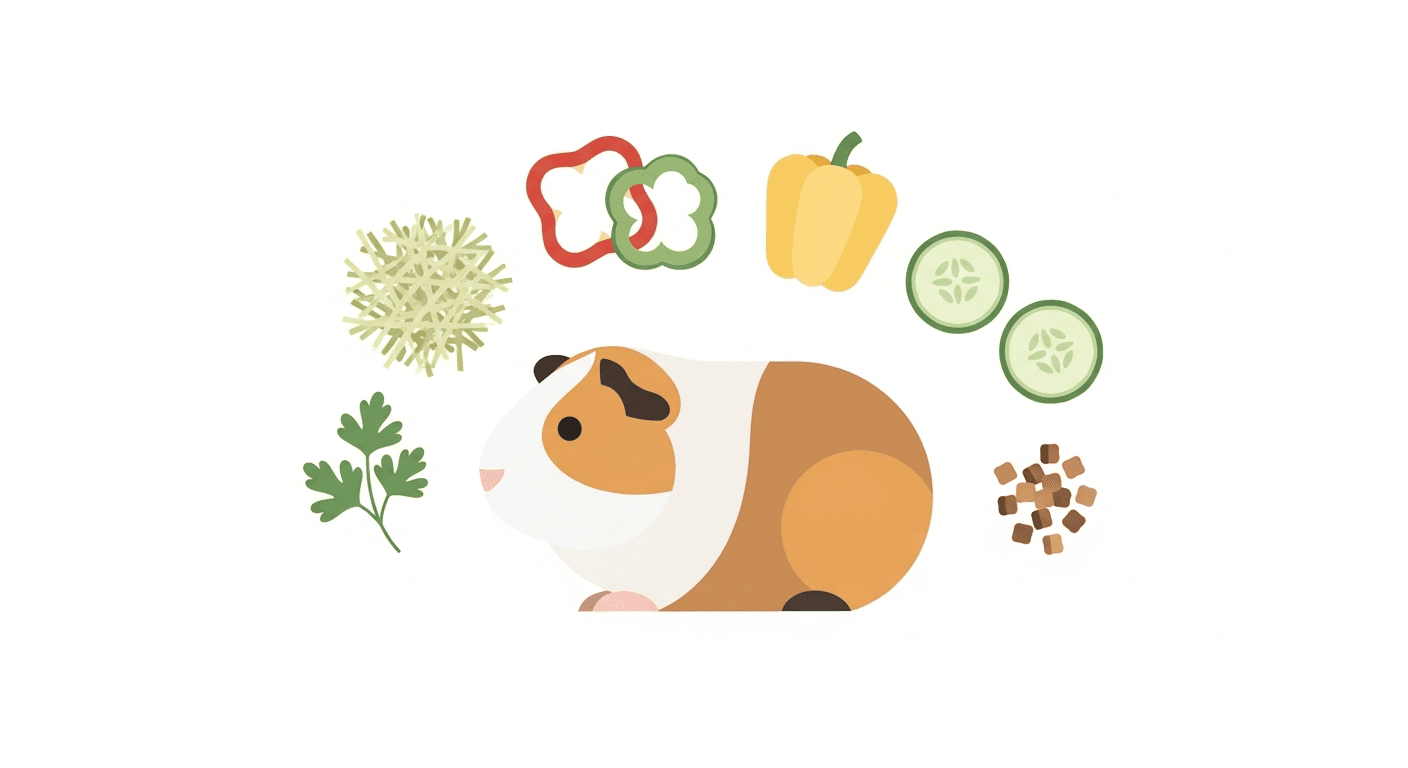
Complete Guinea Pig Diet Guide: What to Feed for Optimal Health
The right diet prevents most common guinea pig diseases. Learn the correct proportions of hay, vegetables, vitamin C sources, and pellets for healthy guinea pigs.